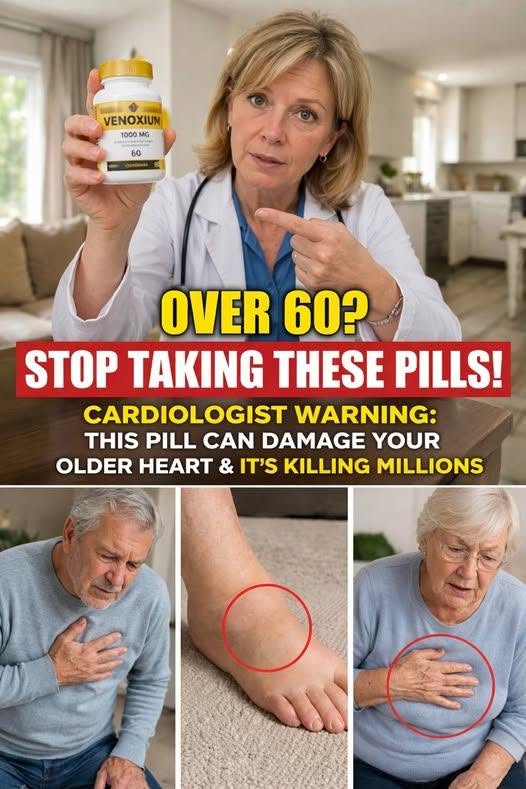
The short answer is: not generally. Common heart medications are prescribed because, for many people, their benefits outweigh their risks. However, adults over 60 are more likely to experience side effects because aging changes how the body processes medications, and many older adults take several drugs at once.
Headlines suggesting that heart medications are “quietly harming” older adults are often overly broad or misleading. The reality is more nuanced.
Some examples:
- Blood pressure medications can sometimes cause dizziness, lightheadedness, or falls if blood pressure becomes too low.
- Blood thinners reduce the risk of stroke and blood clots but increase the risk of bleeding.
- Diuretics (“water pills”) can lead to dehydration or low sodium or potassium levels if not monitored.
- Beta-blockers may cause fatigue, slower heart rate, or cold hands and feet in some people.
- Statins are generally well tolerated but can occasionally cause muscle aches or, rarely, liver or muscle problems.
Doctors typically reduce these risks by:
- Starting with lower doses when appropriate.
- Monitoring blood pressure, kidney function, and blood tests.
- Reviewing all medications regularly to avoid harmful interactions.
- Adjusting treatment if side effects occur.
What should adults over 60 do?
- Do not stop heart medications on your own. Suddenly discontinuing some medications can be dangerous.
- Tell your healthcare provider if you experience dizziness, fainting, unusual bruising or bleeding, severe muscle pain, swelling, or changes in urination.
- Ask for a periodic medication review, especially if you’re taking multiple prescriptions.
If you’ve seen this claim in an article or social media post, it’s worth checking whether it cites high-quality evidence. Many alarming headlines oversimplify findings or focus on uncommon side effects without explaining the overall balance of benefits and risks.
If you have a specific medication in mind—such as lisinopril, metoprolol, amlodipine, atorvastatin, or apixaban—I can explain its benefits, common side effects, and what is known about its safety in older adults.