Baking Soda for Skin Care – Full Guide on Uses, Benefits, Side Effects, and Safe Application Methods
Understanding the Popular Trend of Using Baking Soda on the Face
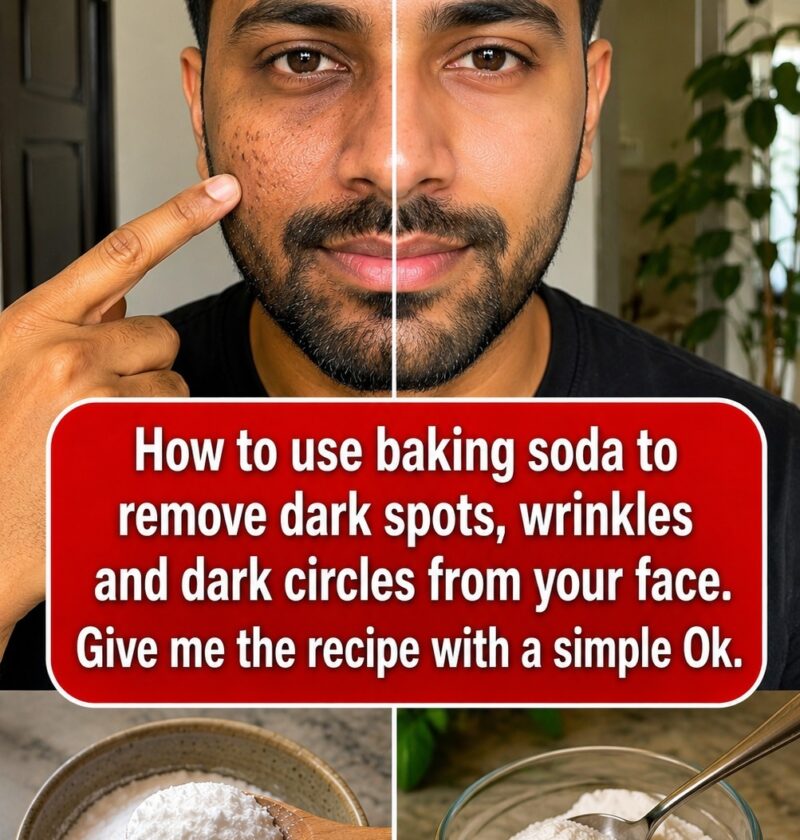
In recent years, baking soda for skin care has become a widely searched home remedy, especially in DIY beauty routines. Many people use it as a quick solution for acne, oily skin, blackheads, and exfoliation. Because it is inexpensive and easily available in most kitchens, sodium bicarbonate (baking soda) is often promoted as a natural skincare alternative.
However, dermatologists emphasize that while baking soda may offer some temporary cosmetic effects, it also carries significant risks when used incorrectly or too frequently on facial skin.
To understand whether it is truly beneficial, it is important to explore how it works, what it does to the skin barrier, and how to use it safely (if at all).
What Is Baking Soda and Why Is It Used on Skin?
Baking soda, scientifically known as sodium bicarbonate, is a mild alkaline compound commonly used in baking, cleaning, and deodorizing.
In skincare routines, it is often used because it has:
- Mild abrasive texture (for exfoliation)
- Oil-absorbing properties
- Temporary pH-altering effects on the skin surface
These properties make it appealing for people struggling with:
- Oily skin
- Blackheads and clogged pores
- Dull or rough skin texture
However, the skin has a delicate protective layer known as the acid mantle, which helps maintain moisture and defend against bacteria. Baking soda can disrupt this balance.
Potential Benefits of Baking Soda for Facial Skin
While not recommended for frequent use, baking soda may provide limited short-term benefits when used carefully and in diluted form.
1. Temporary Exfoliation Effect
Baking soda has a fine, grainy texture that can help remove:
- Dead skin cells
- Surface dirt
- Excess oil buildup
This can make the skin feel smoother immediately after use.
2. Oil Control Appearance
Because it absorbs moisture and oil, baking soda may temporarily reduce shine in people with oily skin types.
However, this effect is short-lived and may trigger rebound oil production later.
3. Mild Cleansing Action
Baking soda can help loosen debris in clogged pores when used occasionally, which may reduce the appearance of blackheads for a short time.
4. Short-Term Brightening Effect
Some users report that their skin looks brighter after use, mainly due to exfoliation rather than any long-term skin improvement.
Risks and Side Effects of Using Baking Soda on the Face
Despite its popularity, baking soda is considered too harsh for regular facial use by many skincare experts.
1. Disruption of Skin pH Balance
Healthy skin typically has a slightly acidic pH of around 4.5–5.5. Baking soda is highly alkaline (around pH 9).
Using it on the face can:
- Disrupt the skin barrier
- Cause dryness and irritation
- Increase sensitivity to bacteria
2. Skin Dryness and Tightness
Frequent use can strip natural oils, leading to:
- Dry patches
- Flaky skin
- Tight or uncomfortable feeling
3. Increased Breakouts
Ironically, while some people use baking soda for acne, it can actually worsen breakouts by:
- Damaging the protective barrier
- Triggering excess oil production
- Irritating sensitive skin
4. Redness and Irritation
People with sensitive skin may experience:
- Burning sensation
- Redness
- Inflammation or itching
5. Long-Term Skin Barrier Damage
Overuse may weaken the skin’s natural defenses, making it more prone to:
- Environmental damage
- Allergic reactions
- Premature aging signs
Who Should Avoid Baking Soda on the Face?
You should avoid using baking soda if you have:
- Sensitive skin
- Active acne or inflamed pimples
- Eczema or dermatitis
- Dry or peeling skin
- Rosacea
Dermatologist Perspective on Baking Soda Skincare
Most skincare professionals agree that baking soda is not ideal for regular facial care due to its high alkalinity.
Safer alternatives recommended include:
- Salicylic acid for acne
- Glycolic acid for exfoliation
- Gentle enzyme-based scrubs
- Hydrating cleansers
These options provide controlled exfoliation without damaging the skin barrier.
Safer Ways to Use Baking Soda (If You Still Choose To Try It)
If someone decides to use baking soda, it should only be:
- Highly diluted
- Used occasionally
- Followed by proper moisturizing
Never use it daily or as a replacement for cleanser.
Natural Alternatives for Healthy Skin
Instead of baking soda, consider:
Gentle Exfoliation Options:
- Oatmeal masks
- Rice flour scrubs
- Aloe vera gel
- Honey-based masks
These are much safer for long-term skin health.
Final Verdict
Baking soda may offer temporary cosmetic effects like smoother or less oily skin, but it is not a safe or ideal long-term skincare solution. Its high alkalinity can damage the skin barrier, leading to dryness, irritation, and breakouts.
For healthy, glowing skin, dermatologically approved gentle skincare products are a much better choice.
Part 2: Simple Baking Soda Face Use Method (Very Occasional DIY Mask)
Ingredients:
- 1 teaspoon baking soda
- 2–3 teaspoons water (or rose water for gentleness)
- Optional: 1 teaspoon aloe vera gel
Instructions:
- Mix baking soda with water to form a thin paste.
- Apply gently to clean face (avoid eye area).
- Leave on for only 1–2 minutes.
- Massage very lightly if needed.
- Rinse thoroughly with lukewarm water.
- Apply a moisturizer immediately after.
Important Notes:
- Use only once every 1–2 weeks (or avoid completely if skin is sensitive)
- Stop immediately if irritation occurs
- Always moisturize after use
- Do not use on broken or acne-inflamed skin