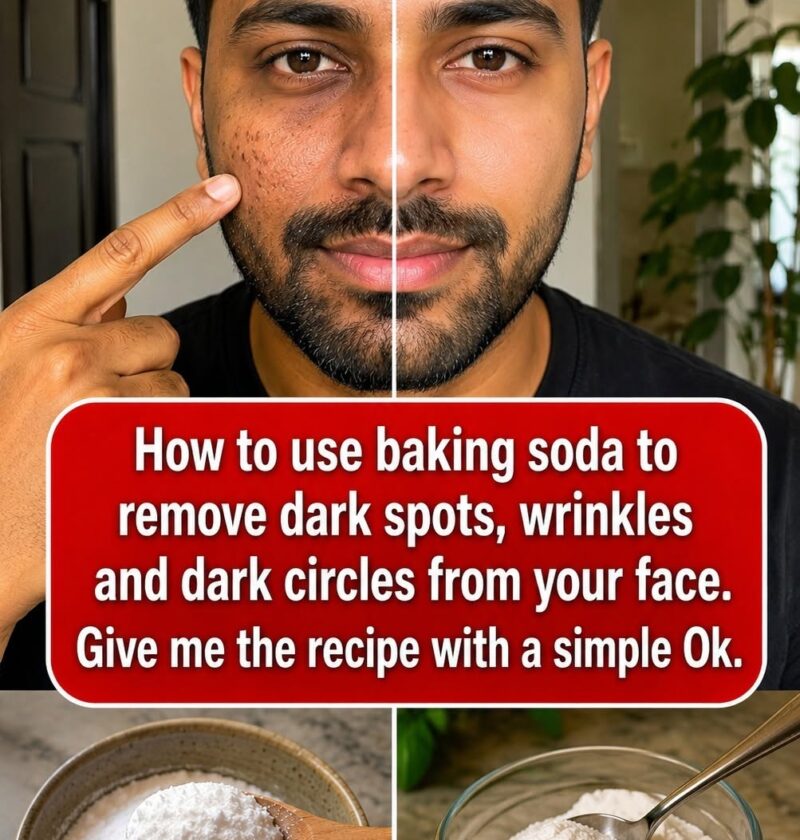
What Is Baking Soda?
Baking soda is a white crystalline powder with alkaline properties. It has a pH of approximately 8–9, while healthy skin typically maintains a slightly acidic pH of around 4.5–5.5.
This difference is important because the skin’s natural acidity helps:
- protect against harmful bacteria
- maintain moisture
- support the skin barrier
- reduce irritation and inflammation
When baking soda is applied directly to the face, it can alter this delicate balance.
Potential Benefits of Baking Soda for Skin
Although scientific evidence is limited, some people use baking soda for the following purposes.
1. Gentle Physical Exfoliation
Baking soda has a fine, grainy texture that can help remove dead skin cells from the surface of the skin.
Possible benefits:
- smoother-looking skin
- temporary improvement in skin texture
- removal of surface buildup
However, excessive scrubbing may cause irritation.
2. Oil Reduction
People with oily skin sometimes use baking soda to absorb excess surface oil.
Potential effects:
- reduced shine
- cleaner skin appearance
- temporary mattifying effect
The downside is that over-drying the skin can trigger increased oil production later.
3. Temporary Skin Brightening
Exfoliation may help remove dull surface skin cells, making the skin appear brighter for a short time.
This is not the same as treating:
- hyperpigmentation
- sun damage
- melasma
- age spots
4. Support for Acne-Prone Skin (Limited Evidence)
Some people report fewer breakouts after occasional use.
Possible reasons:
- exfoliation removes dead skin buildup
- reduction of surface oil
However, baking soda is not an established acne treatment and may worsen irritation in sensitive individuals.