Complete Guide to Using Baking Soda for Skin Care (1500+ Words)
Introduction: Why Baking Soda Is Used in Skincare
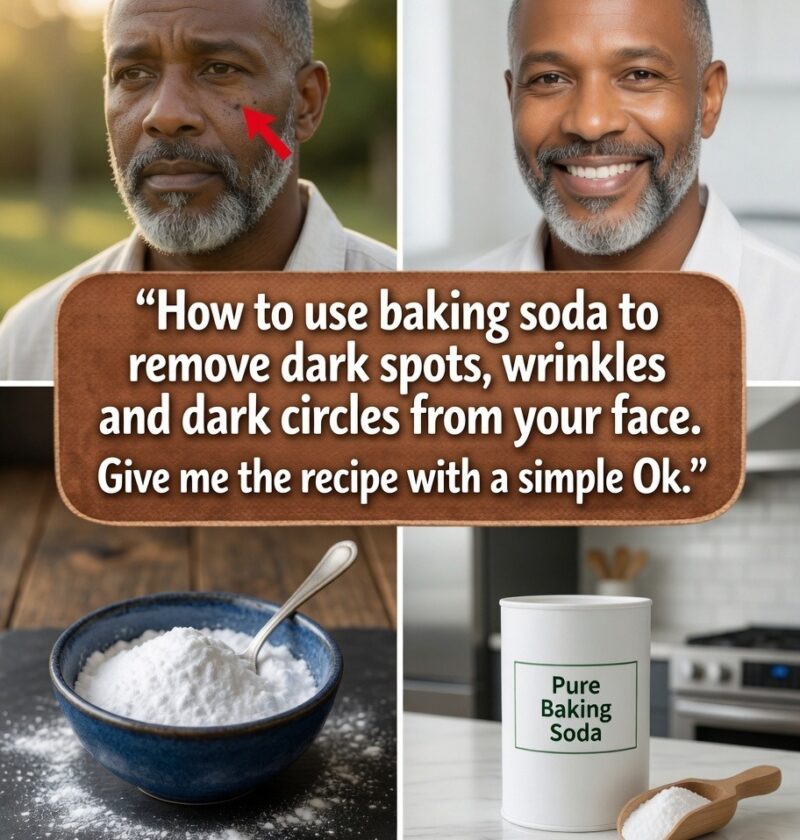
Baking soda, also known as sodium bicarbonate, is a common household ingredient widely used in cooking and cleaning. In recent years, it has also gained attention in the world of natural skincare remedies. Many people search for “baking soda face mask,” “baking soda for acne,” and “home remedies for glowing skin” due to its exfoliating and oil-absorbing properties.
However, while baking soda can offer certain cosmetic benefits, it is also a highly alkaline substance, which means it can disrupt the natural balance of the skin if used incorrectly. Understanding both its advantages and risks is essential before applying it to your face.
This guide explains the benefits, side effects, safety concerns, and proper usage methods of baking soda for facial care, along with dermatologist-inspired precautions and gentle alternatives.
What Makes Baking Soda Popular in Natural Skincare?
Baking soda has a fine, slightly abrasive texture and a high pH level. These characteristics make it useful in limited cosmetic applications such as:
- Exfoliating dead skin cells
- Reducing excess oil temporarily
- Acting as a mild cleansing agent
- Helping remove surface impurities
Because of these properties, baking soda is often included in DIY face masks and scrubs. However, modern skincare experts caution against frequent use due to its potential to damage the skin barrier.
Potential Benefits of Baking Soda for the Face
1. Natural Exfoliation of Dead Skin Cells
One of the main reasons baking soda is used in skincare is its ability to gently scrub away dead skin cells. This may help reveal smoother and brighter-looking skin temporarily. Exfoliation can also make the skin appear more even in texture when used occasionally.
2. Temporary Oil Control
Baking soda may absorb excess sebum from the skin’s surface. People with oily skin sometimes use it to reduce shine and improve the matte appearance of the face for a short period.
3. Helps Clean Surface Impurities
Due to its mild cleansing properties, baking soda can help remove dirt and oil buildup. This is why it is sometimes used in DIY cleansers and face masks.
4. May Help with Occasional Acne Appearance
Some individuals use baking soda to dry out pimples due to its alkaline and drying effect. However, this is not medically recommended for regular acne treatment.
5. Brightening Effect (Temporary)
After exfoliation, the skin may appear brighter and smoother. This is often mistaken for long-term improvement, but it is usually temporary.
Major Risks and Side Effects of Baking Soda on Skin
Despite its popularity in home remedies, baking soda is not considered safe for regular facial use by dermatology experts.
1. Disrupts Skin pH Balance
Healthy skin has a slightly acidic pH (around 4.5–5.5). Baking soda is highly alkaline (around pH 9), which can disrupt the skin barrier and lead to irritation, dryness, and sensitivity.
2. Causes Dryness and Irritation
Frequent use can strip natural oils from the skin, leaving it dry, tight, and irritated.
3. Weakens Skin Barrier
Over time, baking soda can damage the protective outer layer of the skin, making it more vulnerable to bacteria and environmental damage.
4. Can Trigger Redness and Sensitivity
People with sensitive skin may experience burning, redness, or itching after applying baking soda.
5. May Worsen Acne in Some Cases
Although it may dry out pimples temporarily, long-term use can irritate the skin and worsen breakouts.
Who Should Avoid Using Baking Soda on the Face?
You should avoid baking soda skincare if you have:
- Sensitive skin
- Dry or flaky skin
- Eczema or dermatitis
- Rosacea
- Active skin infections
Even people with oily skin should use it very cautiously and rarely.
Dermatologist-Style Safety Guidelines for Using Baking Soda
If you still choose to use baking soda for cosmetic purposes, follow strict safety rules:
✔ Use it only occasionally (once every 2–4 weeks)
✔ Always dilute it with other soothing ingredients
✔ Avoid leaving it on the skin for long periods
✔ Do a patch test before applying to the face
✔ Moisturize immediately after use
✔ Avoid combining with other strong exfoliants
Better Natural Alternatives to Baking Soda
Skincare experts often recommend safer alternatives for exfoliation and cleansing:
Gentle Exfoliants:
- Oatmeal
- Rice flour
- Ground almonds
Hydrating Ingredients:
- Aloe vera
- Honey
- Yogurt
Oil Control Alternatives:
- Clay masks (kaolin or bentonite clay)
- Green tea extracts
These options are less likely to damage the skin barrier and can be used more regularly.
Common Mistakes People Make with Baking Soda Skincare
Many skin problems occur due to incorrect usage. Common mistakes include:
- Using it daily as a face wash
- Applying it directly without dilution
- Leaving it on the skin for too long
- Mixing it with lemon juice (which increases irritation risk)
- Using it on broken or acne-inflamed skin
Avoiding these mistakes can significantly reduce the risk of side effects.
Long-Term Effects of Improper Use
If used frequently or incorrectly, baking soda may lead to:
- Chronic dryness
- Increased skin sensitivity
- Uneven skin tone
- Compromised skin barrier
- Faster signs of aging due to dehydration
This is why dermatologists usually discourage routine facial use of baking soda.
Final Thoughts on Baking Soda for Skin
Baking soda can provide temporary cosmetic benefits, especially for exfoliation and oil control. However, it is not a long-term skincare solution. Its high alkalinity makes it potentially harsh for facial skin, especially when compared to modern gentle skincare formulations.
For healthy skin, the best approach is balance: occasional natural remedies combined with consistent hydration, sun protection, and dermatologist-approved skincare products.
Part 2: Simple Baking Soda Face Scrub (Occasional Use Only)
Ingredients:
- 1 teaspoon baking soda
- 2 teaspoons water (or rose water for gentler effect)
- 1 teaspoon honey (optional for hydration)
Instructions:
- Mix baking soda with water until it forms a smooth paste.
- Add honey if using for extra soothing benefits.
- Apply gently to clean, damp skin using light circular motions.
- Massage for 20–30 seconds only.
- Rinse thoroughly with lukewarm water.
- Apply a moisturizer immediately after use.
Frequency:
- Use only once every 2–4 weeks maximum.