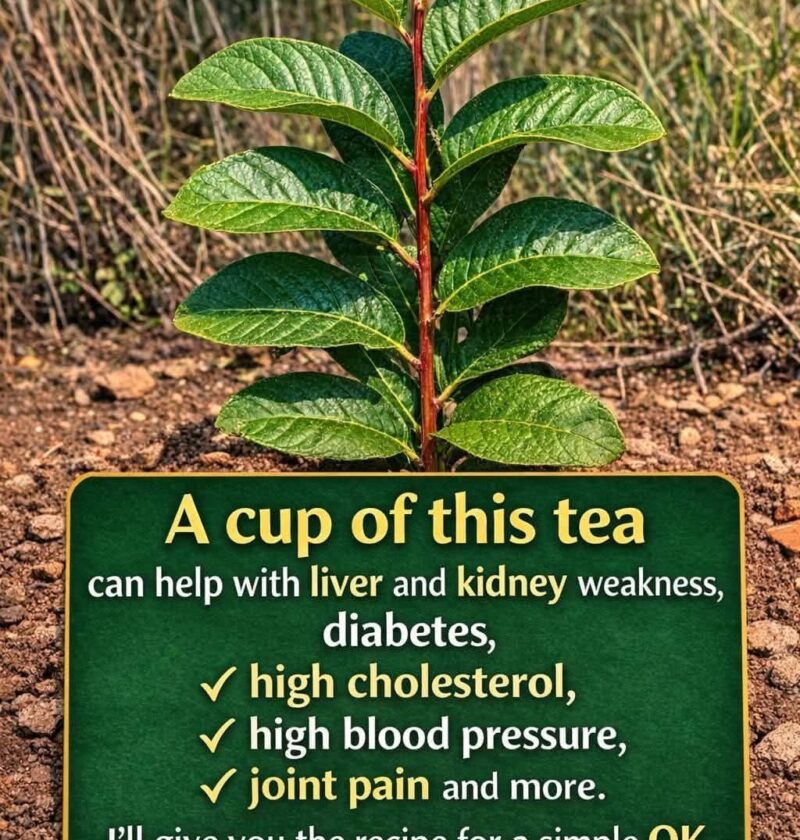
They’re not a miracle cure, but research and traditional use suggest several realistic benefits.
Potential benefits of guava leaves
1. May help with digestion
Guava leaves have antimicrobial and anti-inflammatory compounds that may help with:
- Diarrhea
- Stomach cramps
- Mild foodborne infections
They’re commonly used as a tea for this purpose.
2. Blood sugar support (mild effect)
Some studies suggest guava leaf extract may help:
- Reduce blood sugar spikes after meals
- Improve insulin sensitivity (modest effect, not a replacement for medication)
3. Oral health
Because of antibacterial properties, guava leaf rinse may help:
- Reduce plaque
- Support gum health
- Freshen breath
4. Anti-inflammatory and antioxidant effects
They contain flavonoids and tannins that may help reduce oxidative stress, which is linked to chronic conditions like heart disease and arthritis.
5. Skin and acne (traditional use)
Crushed leaves or extracts are sometimes used for:
- Acne reduction
- Minor wound cleansing
(Again: mild supportive effect, not a primary treatment.)
How to use guava leaves safely
1. Guava leaf tea (most common)
- Wash 5–10 fresh leaves
- Boil in 2–3 cups of water for 10–15 minutes
- Strain and drink warm
Often taken 1–2 times daily.
2. Mouth rinse
- Boil leaves, cool the liquid
- Use as a gargle or mouthwash
3. Topical paste
- Crush fresh leaves with a little water
- Apply to small skin areas (acne or irritation)
Important precautions
- Don’t overconsume—high tannin content can cause stomach irritation in some people.
- If you have diabetes and are on medication, be careful: it may slightly lower blood sugar.
- Pregnant or breastfeeding women should avoid frequent medicinal use without medical advice.
- Stop if you notice nausea or digestive discomfort.
Bottom line
Guava leaves are best seen as a supportive herbal remedy, especially for digestion, oral health, and mild inflammation—not a cure-all.
If you want, I can also explain which herbal teas actually have the strongest scientific backing (and which ones are mostly myths).