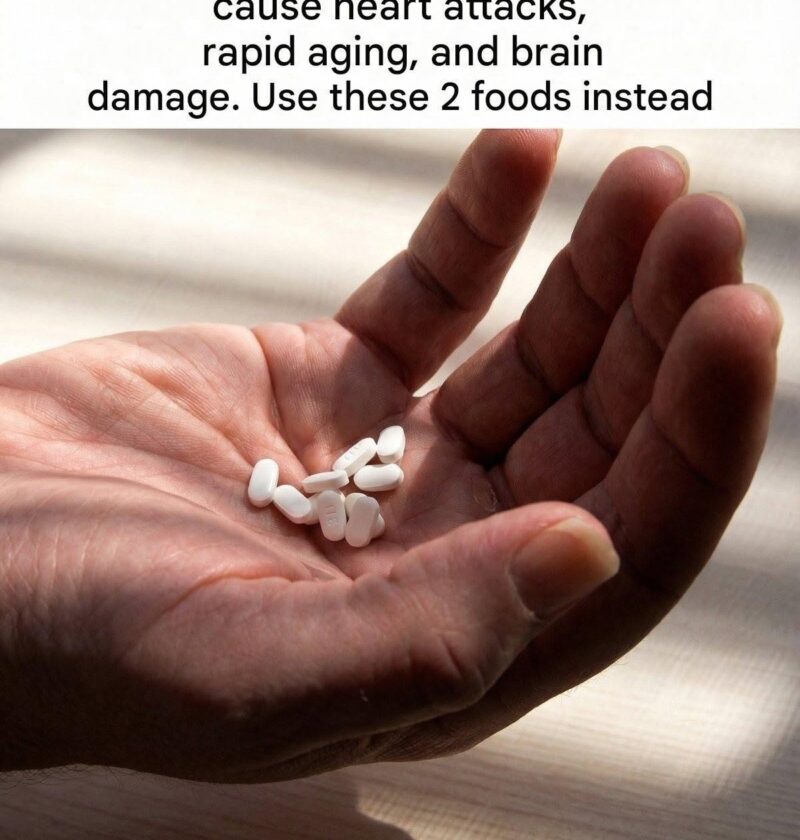
About cholesterol-lowering drugs (statins and others)
Drugs like statins (e.g., atorvastatin, simvastatin) are widely studied and used to lower LDL (“bad” cholesterol). Large clinical trials involving millions of people show they:
- Reduce the risk of heart attacks and strokes
- Lower cardiovascular death rates in high-risk patients
They do not cause heart attacks—they are prescribed specifically to prevent them.
What about “brain damage” or “rapid aging” claims?
- Some people report side effects like muscle pain, fatigue, or mild memory issues, but serious long-term brain damage has not been proven in quality studies.
- Very rare cases of cognitive symptoms are usually reversible after stopping or changing the medication.
- “Rapid aging” is not a medically recognized effect of these drugs.
All medications have potential side effects, but benefits are carefully weighed against risks.
Why these viral posts are misleading
Posts like “use these two foods instead” usually:
- Oversimplify complex conditions like high cholesterol
- Promote foods as if they replace medication (they don’t for high-risk patients)
- Lack clinical evidence or controlled studies
What actually helps lower cholesterol (evidence-based)
Diet does matter, but it works alongside—not instead of—medicine when needed:
- Oats and soluble fiber (reduces LDL absorption)
- Nuts (almonds, walnuts)
- Olive oil (Mediterranean diet)
- Fatty fish (omega-3s)
- Reducing trans fats and ultra-processed foods
Lifestyle changes can lower cholesterol moderately, but people with genetic or high-risk conditions often still need medication.
Bottom line
- Statins and similar drugs are proven to prevent heart attacks, not cause them.
- Fear-based social media claims are not supported by medical evidence.
- Food can help, but it does not replace prescribed treatment in most clinical cases.
If you want, I can break down the “two foods” they’re probably referring to and tell you whether they actually work or are just marketing hype.