Common Mistakes That Affect Balance in Older Adults
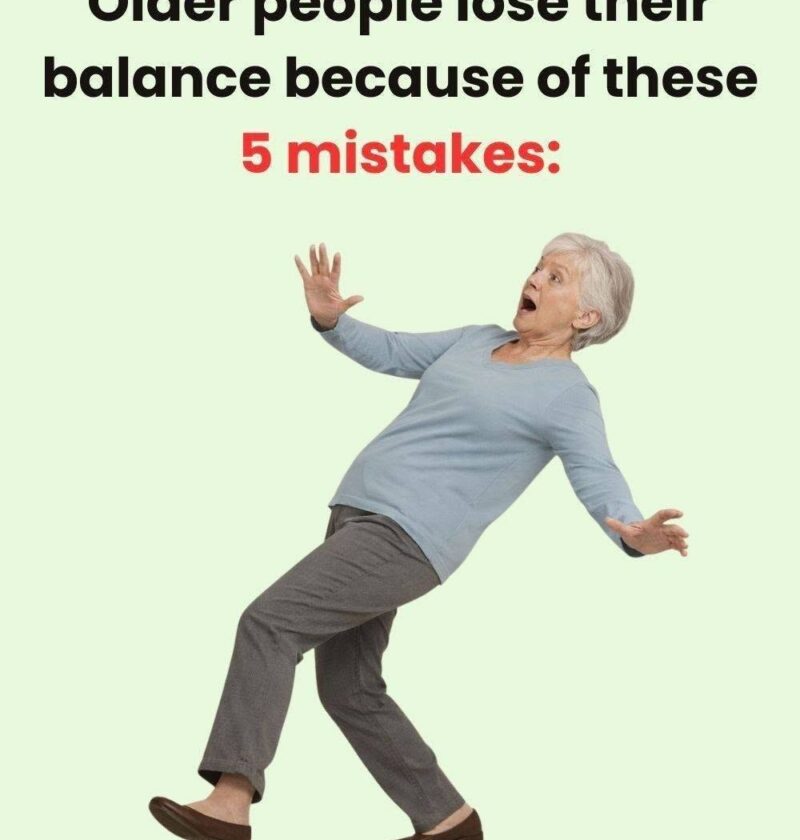
Balance often changes with age, but many falls and stability problems are linked to everyday habits that can be improved. Here are some common mistakes that may increase the risk of losing balance:
1. Staying too inactive
Avoiding movement can weaken leg muscles, reduce flexibility, and make balance harder. Regular walking and strength exercises can help maintain stability.
2. Ignoring vision problems
Poor eyesight can make it harder to judge steps, obstacles, and uneven surfaces. Regular eye checks and updated glasses can support safer movement.
3. Wearing unsafe footwear
Loose slippers, worn-out shoes, or shoes with poor grip can increase slipping risk. Supportive, well-fitting shoes are usually a better choice.
4. Not checking medications
Some medicines can cause dizziness, drowsiness, or low blood pressure, which may affect balance. A healthcare professional or pharmacist can review medications if balance changes occur.
5. Having a cluttered home
Loose rugs, poor lighting, electrical cords, and slippery floors can create fall hazards. Simple home adjustments can make a big difference.
6. Skipping strength and balance exercises
Exercises that improve leg strength, coordination, and core stability can help maintain independence.
7. Getting up too quickly
Standing suddenly from a chair or bed can cause a drop in blood pressure and temporary dizziness. Moving slowly and pausing before walking can help.
When to seek medical advice
A new or worsening balance problem, frequent falls, unexplained dizziness, numbness, weakness, or difficulty walking should be discussed with a healthcare professional.
Maintaining balance is not just about preventing falls—it helps older adults stay confident, active, and independent.