.
🩸 What vitamin K actually does
Vitamin K helps the body:
- Produce clotting proteins needed to stop bleeding
- Support bone health
- Regulate certain processes involved in blood vessel health
There are two main forms:
- Vitamin K1 (found in leafy green vegetables)
- Vitamin K2 (found in some fermented foods and animal products)
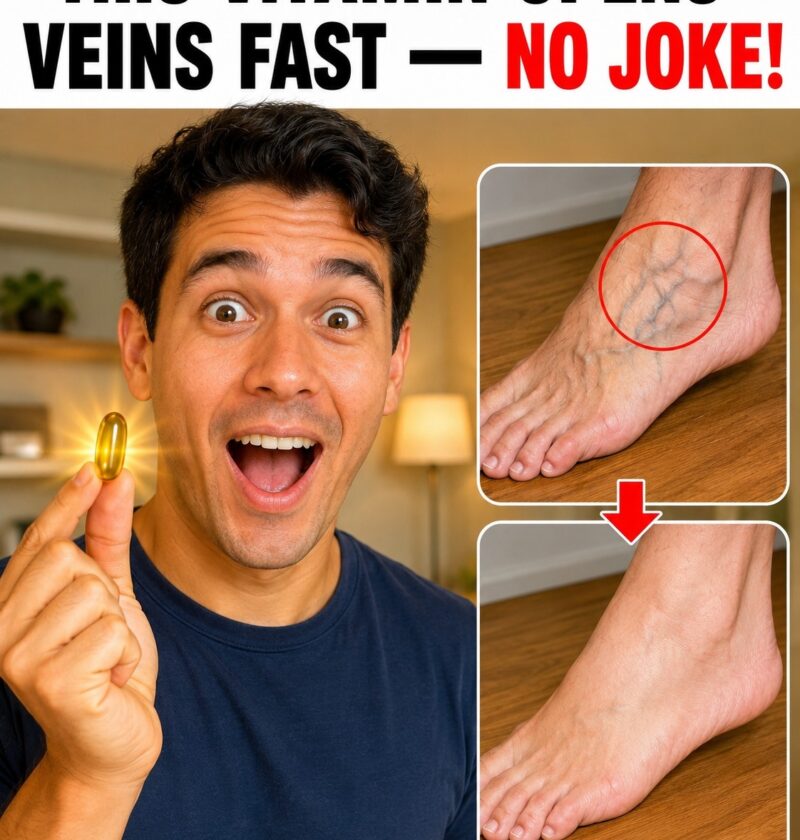
🦵 Does it improve leg circulation?
Not directly.
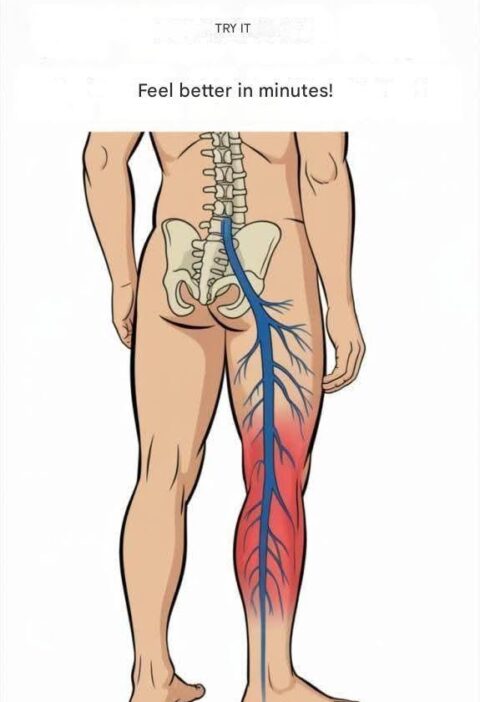
Poor leg circulation can result from conditions such as:
- Peripheral artery disease
- Diabetes
- Smoking-related vascular disease
- Venous insufficiency
Vitamin K does not “open” blocked arteries or cure circulation disorders.
⚠️ Important note about blood clotting
Vitamin K supports normal clotting, but that does not mean taking extra vitamin K prevents dangerous blood clots.
In fact, people taking blood-thinning medications such as Warfarin often need to keep their vitamin K intake consistent because it can affect how the medication works.
🥬 Good dietary sources of vitamin K
- Kale
- Spinach
- Collard greens
- Broccoli
- Brussels sprouts
These foods provide vitamin K as part of an overall healthy diet.