Nighttime muscle cramps are common, especially in older adults, athletes, and people who are dehydrated or low in certain minerals. While there is no single food that “guarantees prevention,” diet can play a meaningful role in reducing how often cramps occur.
These cramps are often linked to muscle fatigue, poor circulation, dehydration, or imbalances in minerals such as potassium, magnesium, and calcium.
Do You Suffer from Nighttime Muscle Cramps? Here Are the Right Foods That May Help Prevent Them
Night cramps usually affect the calves, feet, or thighs and can wake you up suddenly with sharp, tight pain. Although they are often harmless, they can be very uncomfortable.
One of the most common contributing factors is low intake of key nutrients that support normal muscle function.
1. Bananas (potassium support)
Bananas are well known for their potassium content, which helps muscles contract and relax properly.
Low potassium levels may contribute to muscle cramps, especially at night.
2. Leafy green vegetables (magnesium source)
Foods like spinach, kale, and Swiss chard are rich in magnesium.
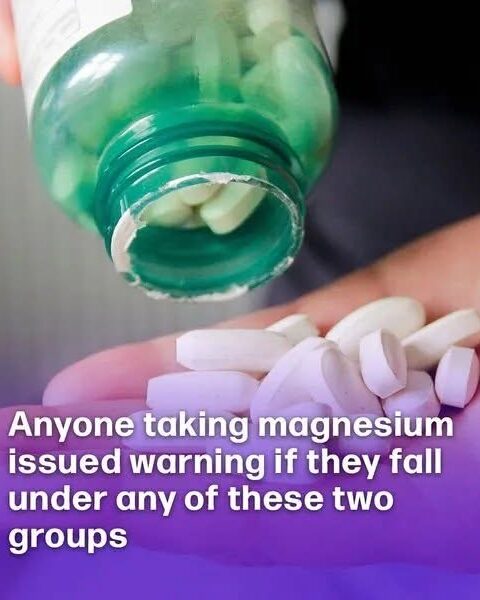
Magnesium plays a key role in:
- Muscle relaxation
- Nerve function
- Reducing muscle tightness
3. Dairy products (calcium support)
Milk, yogurt, and cheese provide calcium, which is essential for proper muscle contraction.
Low calcium levels can sometimes be associated with muscle cramping.
4. Nuts and seeds (mineral balance)
Almonds, pumpkin seeds, and sunflower seeds contain:
- Magnesium
- Calcium
- Healthy fats
These nutrients support overall muscle and nerve health.
5. Hydrating foods (water-rich fruits)
Watermelon, oranges, and cucumbers help maintain hydration.
Dehydration is a common trigger for nighttime cramps.
Important condition linked to cramps
Frequent or severe cramps may sometimes be associated with circulation issues such as Peripheral Artery Disease, medication side effects, or nerve problems.
Other effective ways to reduce nighttime cramps
- Drink enough water during the day
- Stretch calf muscles before bed
- Avoid overexertion during exercise
- Maintain balanced electrolytes
- Keep feet warm at night
Foods that may worsen cramps in some people
- Excess caffeine (can contribute to dehydration)
- Too much alcohol
- Highly processed salty foods
- Low-nutrient diets
When to see a doctor
You should seek medical advice if cramps:
- Happen very frequently
- Are severe or worsening
- Occur with swelling or numbness
- Affect walking or daily activity