Headlines like “Doctors reveal that eating beets causes…” are often designed to grab attention but rarely provide complete scientific context. In reality, beetroot (also called beets) is widely recognized in nutrition science as a nutrient-rich vegetable with several potential health benefits when consumed as part of a balanced diet.
Searches such as beetroot benefits for blood pressure, does beet juice improve stamina, side effects of eating beets, and health benefits of beetroot juice show how popular this vegetable has become in wellness discussions.
However, like any food, beets can have both benefits and considerations depending on individual health conditions and consumption levels.
What Are Beets and Why Are They So Popular?
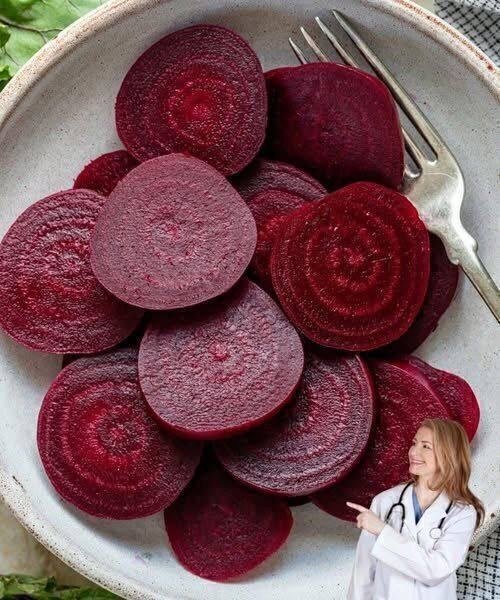
Beetroot is a root vegetable known for its deep red color and earthy flavor. It is commonly consumed in salads, juices, soups, and cooked dishes.
Beets are rich in:
- Natural nitrates
- Fiber
- Folate (vitamin B9)
- Vitamin C
- Potassium
- Antioxidants called betalains
These nutrients contribute to why beets are frequently included in healthy diet plans, detox juice recipes, and heart health foods.
Potential Health Benefits of Eating Beets
Supports Healthy Blood Pressure Levels
One of the most studied benefits of beetroot is its potential role in supporting healthy blood pressure. Beets contain natural nitrates that the body can convert into nitric oxide, a compound that may help relax blood vessels and improve circulation.
This is why beet juice is often included in searches like natural blood pressure support foods and foods rich in nitrates for heart health.
May Improve Exercise Performance
Athletes and fitness enthusiasts often consume beet juice before workouts. The nitrates in beets may help improve oxygen use in muscles, which can support endurance during physical activity.
This has made beets popular in sports nutrition and natural pre-workout drinks discussions.
Supports Digestive Health
Beets are a good source of dietary fiber, which helps support regular bowel movements and overall gut health. Fiber-rich foods are commonly recommended in healthy digestion diet plans and high fiber vegetable lists.
Rich in Antioxidants
The deep red color of beets comes from betalains, natural antioxidants that help protect cells from oxidative stress. Antioxidant-rich foods are often associated with general wellness and long-term health support.
Supports Brain and Heart Health
Because nitric oxide helps improve blood flow, beet consumption is sometimes linked to improved circulation, which may support both cardiovascular and brain function.
Possible Side Effects of Eating Beets
Despite their benefits, beets may cause mild side effects in some people, especially when consumed in large amounts.
1. Beeturia (Red Urine or Stool)
One harmless but surprising effect is beeturia, where urine or stool may turn pink or red after eating beets. This is not dangerous but can be alarming if unexpected.
2. Low Blood Pressure Concerns
Since beets may help lower blood pressure, individuals already on blood pressure medication should consume them in moderation and consult a healthcare professional if needed.
3. Kidney Stone Risk (In Some Cases)
Beets contain oxalates, which may contribute to kidney stone formation in susceptible individuals. People with a history of kidney stones should monitor intake.
4. Digestive Sensitivity
Eating large quantities of beets may cause bloating or stomach discomfort in some individuals due to their fiber content.
Are Beets Dangerous as Viral Headlines Suggest?
There is no scientific evidence that beets are dangerous for healthy individuals when eaten in normal food amounts. In fact, most research supports their inclusion in a balanced diet.
Sensational claims often come from misunderstanding normal bodily responses like beeturia or from exaggerating rare side effects.
How to Safely Include Beets in Your Diet
Beets can be enjoyed in many healthy and delicious ways:
- Beetroot salad with lemon and olive oil
- Fresh beet juice or smoothies
- Roasted beetroot as a side dish
- Beet soup (borscht style)
- Mixed vegetable bowls
Moderation is key, as with all foods.
Who Should Be Careful With Beets?
While beets are safe for most people, caution is advised for:
- People with kidney stone history
- Individuals on blood pressure medication
- Those with beet allergies (rare)
In such cases, consulting a healthcare provider is recommended.
Final Thoughts on Beetroot and Health Myths
Beets are a highly nutritious vegetable with several scientifically supported health benefits, especially related to heart health, digestion, and exercise performance. However, they are not a miracle cure, nor are they harmful when consumed normally.
Viral headlines often exaggerate or distort facts to attract attention. The reality is more balanced: beets are healthy, natural, and beneficial when included in a varied diet.
Part 2: Simple Beetroot Recipe Ideas
Easy Ways to Eat Beets Daily
Ingredients (Basic)
- Fresh beets
- Water or olive oil (as needed)
- Lemon juice (optional)
- Salt (optional)
Simple Preparation Methods
- Wash and peel beets properly.
- Boil or roast until soft.
- Slice or grate for salads.
- Add lemon juice and salt for taste.
- Serve fresh or chilled.
Optional Uses
- Blend into smoothies
- Add to soups
- Mix with carrots or apples for juice