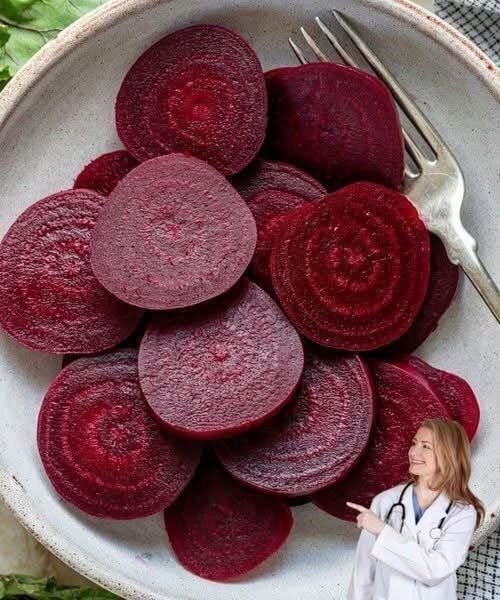
If you’re seeing a headline like “Doctors reveal that eating beets causes…”, it is likely referring to one of the notable effects of eating beets. Beets can have several real, science-supported effects—some beneficial and some surprising.
What eating beets can cause:
1. Red or pink urine (beeturia)
Some people notice their urine turns pink or reddish after eating beets. This is called beeturia and is usually harmless. It happens because beet pigments can pass through the digestive system and into urine.
2. Changes in bowel movements
Beets contain fiber, which can:
- Support regular bowel movements
- Increase stool bulk
- Cause temporary gas or bloating in some people
3. Lower blood pressure (in some people)
Beets are naturally rich in nitrates, which the body can convert into nitric oxide. This may help blood vessels relax and support healthy blood pressure levels.
4. Improved exercise performance
Beetroot juice is sometimes used by athletes because dietary nitrates may improve oxygen efficiency during endurance exercise.
5. Possible kidney stone concerns for some people
Beets are relatively high in oxalates. People who are prone to certain types of kidney stones may need to discuss high-oxalate foods with a healthcare professional.
6. Blood sugar effects
Whole beets contain natural sugars, but their fiber content slows digestion. Portion size still matters, especially for people managing diabetes.
Bottom line: For most people, beets are a nutritious food that can be part of a healthy diet. A harmless red urine color after eating them is common, but persistent blood in urine, pain, or other symptoms should be checked by a healthcare professional.