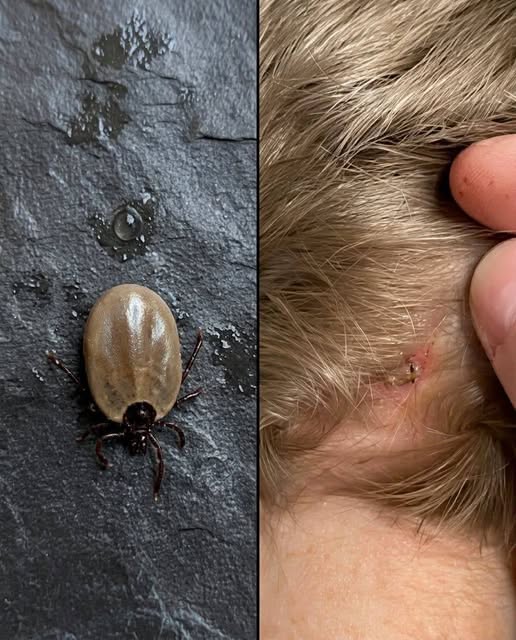
That kind of post usually makes people panic fast, but the truth is: you can’t reliably identify an insect without seeing it clearly—especially something found on a child’s scalp.
That said, when someone finds a tiny insect on a child’s head, the most common possibilities are:
🪳 Most likely: Head lice
The most common culprit is Pediculosis capitis (head lice).
What head lice look like:
- Very small (about sesame seed size)
- Grayish, tan, or brown
- Move quickly through hair
- Eggs (nits) look like tiny white/yellow dots stuck to hair strands
Common signs:
- Itching of the scalp (especially behind ears and neck)
- Scratching
- Feeling of something “moving” in hair
- Small red bite marks on scalp
How it spreads:
- Direct head-to-head contact (most common)
- Sharing combs, hats, pillows
🐜 Other possible (less common) insects
Sometimes it may be:
- A small flea (more common with pets)
- A stray mosquito or gnat
- A harmless tiny beetle that wandered in
But these usually do not stay on the scalp or live in hair like lice do.
🧼 What you should do right now
Step 1: Check properly
Use:
- Bright light
- Fine-tooth comb
- Look behind ears and at the nape of the neck
Step 2: Look for nits (eggs)
Even if you only saw one insect, eggs confirm lice infestation.
Step 3: Treat if needed
If lice are confirmed:
- Over-the-counter lice shampoo (permethrin-based)
- Wet combing with conditioner
- Wash bedding, hats, towels in hot water
- Vacuum couches and pillows
⚠️ When to see a doctor
- If infestation keeps coming back
- If scalp becomes infected or very irritated
- If you’re unsure what you saw
🧾 Bottom line
Most “tiny insects in hair” cases in children turn out to be head lice, which are common, treatable, and not dangerous—but they do require proper treatment to fully remove.
If you want, you can describe what it looked like (color, size, fast or slow movement), and I can help you