Part 1: Early Stroke Warning Signs Awareness Guide (Rewritten, SEO-Optimized Health Education Content)
(Original, copyright-free, informational wellness writing)
When Small Body Changes May Be More Important Than They Seem
Many people, especially older adults, often experience brief or unusual physical sensations during the day. A mild tingling in the arm, a moment of confusion, or slight difficulty speaking is frequently dismissed as fatigue, stress, or simply “getting older.” Because these symptoms may disappear quickly, they are often ignored without concern.
However, in the field of stroke awareness and neurological health, medical professionals emphasize that even subtle and temporary changes in the body can sometimes be early warning signals of a more serious condition.
The challenge is that these early indicators are often silent, brief, and easy to overlook. This is what makes early stroke detection and awareness education so important for families, caregivers, and individuals—especially seniors.
Understanding these signals does not mean assuming every minor symptom is dangerous. Instead, it means recognizing when something feels unusual enough to deserve attention.
Understanding Stroke in Simple, Real-Life Terms
A stroke occurs when blood flow to part of the brain is interrupted or reduced, preventing brain tissue from getting enough oxygen and nutrients. When brain cells are deprived of oxygen, they begin to be damaged within minutes.
There are two main types of stroke:
- Ischemic stroke – caused by a blockage in a blood vessel
- Hemorrhagic stroke – caused by bleeding in or around the brain
According to World Health Organization (WHO) data, stroke is one of the leading causes of disability and long-term health complications worldwide.
What makes stroke especially concerning is that it can develop suddenly—but in many cases, there are early warning signs of stroke that may appear hours or even days before a major event.
Why Early Symptoms Are Often Ignored in Daily Life
One of the biggest challenges in stroke prevention is that early symptoms do not always feel dramatic. Instead, they may appear mild or temporary.
Common reasons people ignore early signs include:
- Assuming it is normal aging
- Thinking it is due to stress or tiredness
- Symptoms disappearing quickly
- Lack of awareness about stroke warning signs
- Misinterpreting neurological symptoms as minor issues
This delay in recognition can become critical because timely medical response is one of the most important factors in reducing stroke-related damage.
Subtle Neurological Changes That Should Not Be Overlooked
Medical guidelines often highlight that early stroke symptoms can vary from person to person. Some of the most commonly reported early warning signs include:
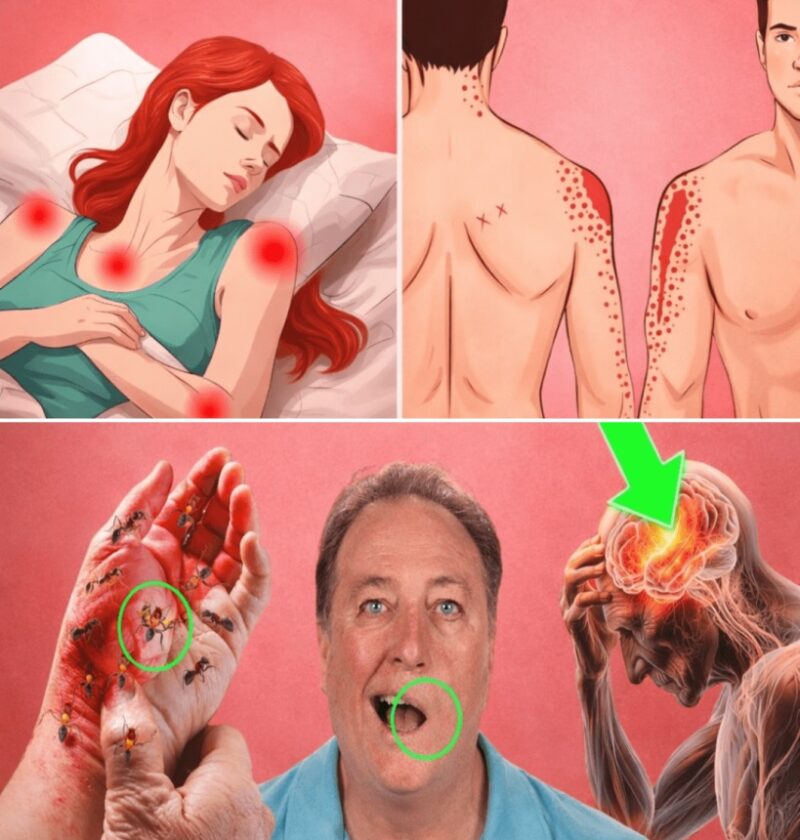
- Sudden numbness or weakness in the face, arm, or leg (especially on one side of the body)
- Temporary confusion or difficulty understanding speech
- Trouble speaking clearly or forming words
- Sudden vision disturbances in one or both eyes
- Loss of balance, dizziness, or coordination issues
- Unusual or unexplained severe headache
These symptoms may appear briefly and then fade, which can create a false sense of security. However, even short-lived neurological changes can sometimes indicate an underlying risk that should not be ignored.
The Importance of FAST Stroke Awareness Method
Healthcare organizations often promote the FAST method to help people quickly identify possible stroke symptoms:
- F – Face: Check if one side of the face droops
- A – Arms: See if one arm drifts downward or feels weak
- S – Speech: Listen for slurred or strange speech
- T – Time: Act quickly and seek emergency help
The purpose of this method is not self-diagnosis, but fast recognition and immediate response. In stroke care, time plays a crucial role in reducing brain damage.
Transient Ischemic Attacks (TIA): The Warning Episodes
Sometimes, people experience what is known as a Transient Ischemic Attack (TIA), often called a “mini-stroke.” This occurs when blood flow to the brain is temporarily blocked and then restored.
Although symptoms may disappear within minutes or hours, a TIA is considered an important warning sign because it may indicate a higher risk of a future stroke.
Common TIA symptoms may include:
- Sudden numbness or weakness
- Temporary speech difficulty
- Short-term vision problems
- Brief confusion or dizziness
Medical experts strongly advise that TIAs should never be ignored, even if the person feels completely normal afterward.
Why Immediate Attention Matters in Stroke Prevention
One of the most critical aspects of stroke care is early medical intervention. When treatment is provided quickly, it can significantly reduce the risk of long-term disability.
Delays in response may lead to:
- Increased brain damage
- Reduced mobility
- Speech or memory difficulties
- Long-term rehabilitation needs
This is why awareness of early symptoms is considered a key part of preventive health care, especially for individuals with risk factors such as high blood pressure, diabetes, or cardiovascular conditions.
Risk Factors That Increase Stroke Likelihood
While stroke can affect anyone, certain conditions increase the risk:
- High blood pressure (hypertension)
- Diabetes
- Smoking habits
- High cholesterol levels
- Sedentary lifestyle
- Heart-related conditions
- Advanced age
Understanding these risk factors helps individuals take proactive steps toward healthier lifestyle choices and regular medical checkups.
Lifestyle Habits That Support Brain and Heart Health
Although stroke cannot always be prevented, maintaining a healthy lifestyle may help reduce risk. Common recommendations from global health sources include:
- Eating a balanced diet rich in fruits and vegetables
- Staying physically active
- Managing blood pressure levels
- Avoiding smoking and excessive alcohol consumption
- Maintaining healthy body weight
- Regular health screenings
These habits contribute to overall cardiovascular and neurological wellness.
The Emotional Impact of Ignoring Early Symptoms
Beyond physical health, ignoring early warning signs can also create emotional stress later. Families often express regret when symptoms were visible but not taken seriously.
This is why awareness campaigns emphasize education rather than fear. The goal is to encourage people to:
- Observe unusual symptoms
- Take them seriously
- Seek medical advice early
- Avoid waiting for symptoms to worsen
Final Awareness Message (See More Style)
Many early stroke warning signs are subtle and easy to miss. A brief numbness, temporary confusion, or slight speech difficulty may seem harmless at first—but understanding these signals can make a significant difference in timely medical care.
Recognizing changes early does not mean assuming the worst. It simply means being informed enough to act responsibly when something feels unusual.
See more
Because when it comes to brain health, awareness is one of the strongest forms of protection.
Source (Medical References)
- World Health Organization (WHO) – Stroke Information: https://www.who.int/
- Centers for Disease Control and Prevention (CDC) – Stroke Facts: https://www.cdc.gov/stroke/
- American Stroke Association – Stroke Warning Signs: https://www.stroke.org/
Part 2: Brain-Healthy Support Smoothie (Simple Wellness Recipe)
(Supportive nutrition idea – not a treatment or cure)
Easy Nutrient-Rich Brain Support Drink
Ingredients:
- 1 banana
- 1 cup yogurt (plain or Greek yogurt)
- 2 tablespoons oats
- 1 teaspoon honey (optional)
- A handful of nuts (almonds or walnuts)
- A pinch of cinnamon (optional)
Instructions:
- Add banana and yogurt into a blender.
- Mix in oats for fiber and texture.
- Add honey if you prefer mild sweetness.
- Blend until smooth and creamy.
- Pour into a glass and top with crushed nuts.
- Sprinkle a small pinch of cinnamon before serving.
Best time to enjoy: Morning breakfast or mid-day snack for balanced nutrition support.