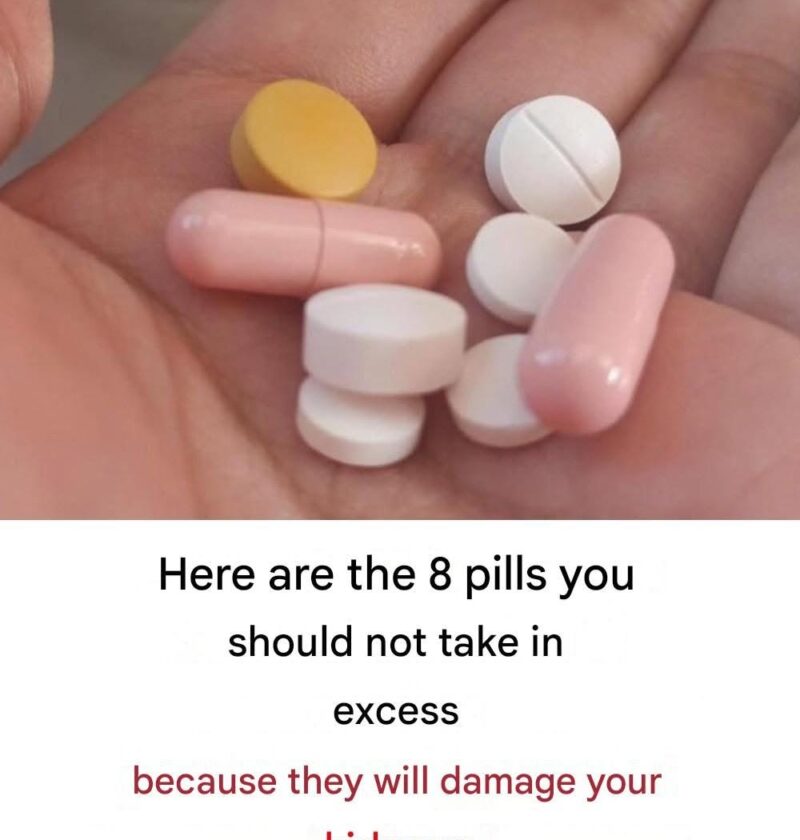
the Kidneys and Why They Are Sensitive
The kidneys are vital organs responsible for:
- filtering waste from the blood
- balancing fluids and electrolytes
- regulating blood pressure
- helping activate vitamin D
Because they filter large volumes of blood daily, kidneys are vulnerable to certain medications, especially when used improperly or for long periods.
However, most medications do not damage healthy kidneys when used correctly under medical supervision.
Why Medication-Related Kidney Damage Happens
Drug-related kidney stress can occur due to:
- reduced blood flow to kidneys
- direct toxicity to kidney cells
- buildup of waste products
- interactions between multiple drugs
Risk is higher in:
- older adults
- people with diabetes
- people with high blood pressure
- dehydrated individuals
- patients already with kidney disease
Common Medication Categories That May Affect Kidney Function
1. NSAID Pain Relievers (e.g., ibuprofen, diclofenac, naproxen)
These are widely used for pain and inflammation.
Possible kidney effects:
- reduced blood flow to kidneys
- fluid retention
- increased risk of kidney stress with long-term use
Important note:
Short-term, recommended use is usually safe for most healthy people.
2. Certain Blood Pressure Medications (ACE inhibitors & ARBs)
Examples include:
- enalapril
- lisinopril
- losartan
Effects:
- usually kidney-protective in the long term
- may slightly change kidney function markers at the start
- require monitoring
They are not harmful when properly managed.
3. Diuretics (“Water Pills”)
Used for:
- high blood pressure
- heart failure
- fluid retention
Possible effects:
- dehydration if not balanced
- electrolyte imbalance
- temporary kidney stress in some cases
4. Some Antibiotics (Aminoglycosides in particular)
Certain strong antibiotics may affect kidneys if:
- used in high doses
- used for long periods
- given without monitoring
Doctors carefully control these medications in hospitals.
5. Contrast Dye Used in Imaging Tests
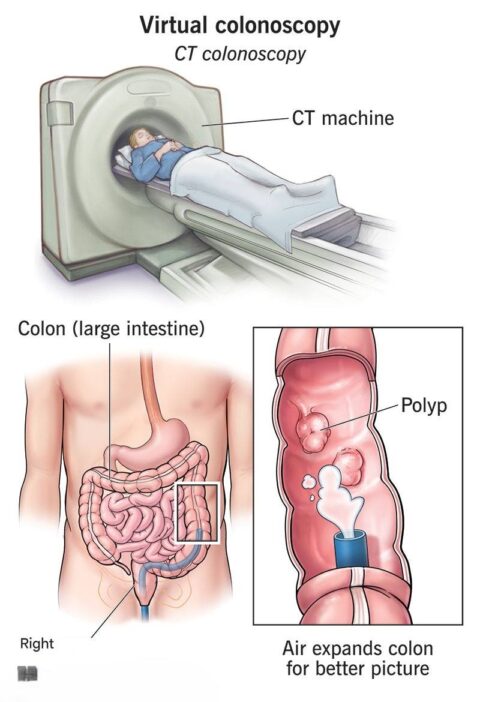
Sometimes used in CT scans or angiography.