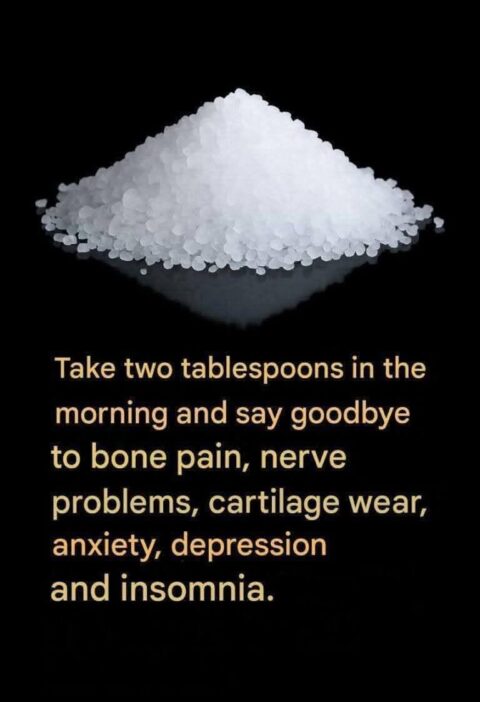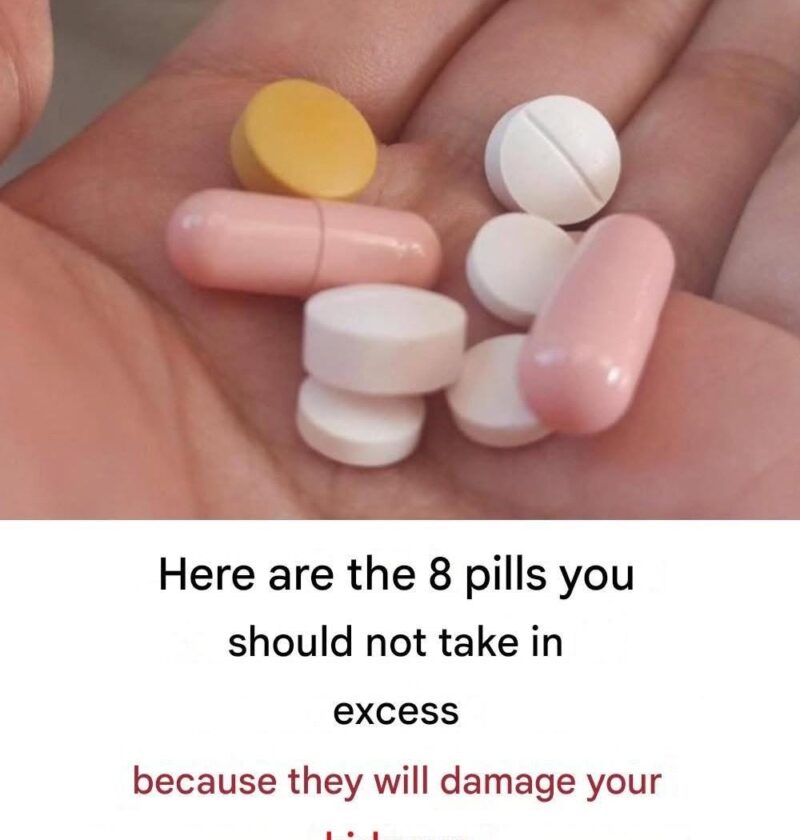
That headline is misleading. There is no real list of “eight pills you should never take” that automatically damage kidneys. Kidney risk depends on dose, duration, hydration, and existing health, not just the medicine itself.
A key condition involved here is Chronic kidney disease, where the kidneys are more vulnerable to medication side effects.
Here are common types of medicines that can affect kidney function if misused or taken without supervision:
1) Painkillers (NSAIDs)
Examples: ibuprofen, diclofenac, naproxen
These are widely used but can reduce blood flow to the kidneys if:
- Taken in high doses
- Used long-term
- Combined with dehydration or other illness
2) Certain antibiotics
Some antibiotics can stress kidneys, especially in high doses or in people with existing kidney issues. Doctors usually adjust dosage when needed.
3) Diuretics (“water pills”)
Used for blood pressure or swelling.
Risk: dehydration or electrolyte imbalance if not properly managed.
4) Blood pressure medicines (ACE inhibitors / ARBs)
These are actually kidney-protective long-term, but:
- Can temporarily change kidney lab values
- Need monitoring when starting or adjusting dose
5) Proton pump inhibitors (acid reducers)
Long-term, high use has been linked in some studies to rare kidney inflammation, but risk is generally low when used appropriately.
6) Lithium
A psychiatric medication that requires kidney monitoring because long-term use can affect kidney function.
7) Contrast dye (for scans)
Used in CT scans; can stress kidneys in high-risk patients, especially those already dehydrated or with kidney disease.
8) Herbal or “detox” supplements
Not regulated like medicines. Some have been linked to kidney injury due to unknown or contaminated ingredients.
Key reality most viral posts ignore
- These medicines are safe for most people when used correctly
- The biggest risk is self-medication, overdose, or long-term unsupervised use
- Doctors often prescribe them because benefits outweigh risks
Warning signs of kidney stress
Seek medical advice if you notice:
- Swelling in legs or face
- Reduced urination
- Foamy urine
- Unexplained fatigue
- Nausea or confusion
Bottom line
There are no “forbidden eight pills.” Instead, certain drug groups need careful use and medical supervision, especially in Chronic kidney disease.
If you want, I can also list common medicines that are actually kidney-safe alternatives for pain, fever, or acidity depending on what you’re concerned about.