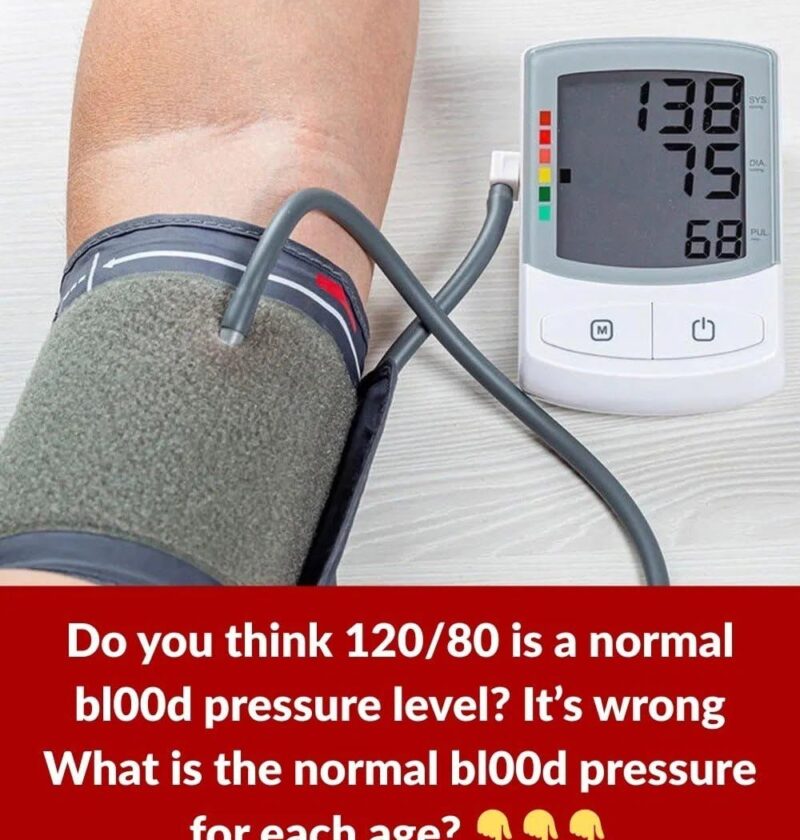
Normal Blood Pressure by Age: What Numbers Should You Aim For?
A common mistake is thinking that “normal blood pressure increases naturally with age.” While blood pressure may rise as people get older, health organizations generally do not consider high blood pressure a normal part of aging. The goal is usually to keep blood pressure in a healthy range based on your overall health and medical situation.
Blood pressure is written as:
- Systolic pressure (top number): pressure when the heart beats
- Diastolic pressure (bottom number): pressure when the heart relaxes
General Blood Pressure Ranges
| Age Group | Typical Healthy Goal (Approximate) |
|---|---|
| Children | Varies widely by age, height, and sex |
| Teens | Around below 120/80 mmHg |
| Adults (18+) | Usually below 120/80 mmHg |
| Adults 60+ | Often individualized; many aim for below 130/80 mmHg if tolerated |
| Older adults (80+) | Targets may be adjusted based on health, frailty, and medications |
Blood Pressure Categories for Adults
- Normal: Less than 120/80 mmHg
- Elevated: 120–129 systolic and less than 80 diastolic
- High blood pressure (Hypertension): Often defined as 130/80 mmHg or higher (depending on guideline and clinical context)
- Very high: Around 180/120 mmHg or higher may require urgent evaluation, especially with symptoms
Why Age Matters
Older adults may have:
- Stiffer arteries
- Higher risk of dizziness or falls from blood-pressure medicines
- Other health conditions affecting treatment choices
Because of this, doctors often personalize targets rather than using one number for everyone.
Tips for More Accurate Home Measurements
- Sit quietly for 5 minutes before measuring
- Keep feet flat on the floor
- Support your arm at heart level
- Avoid caffeine, exercise, or smoking shortly before checking
- Take multiple readings on different days
Seek Medical Help Urgently If High Blood Pressure Comes With:
- Chest pain
- Severe headache
- Shortness of breath
- Confusion
- Weakness or numbness on one side
- Vision changes
Bottom line: There is no “safe high blood pressure” simply because someone is older. A healthy target depends on age, medical conditions, and treatment tolerance. Regular monitoring and discussion with a healthcare professional are the best ways to know what number is right for you.