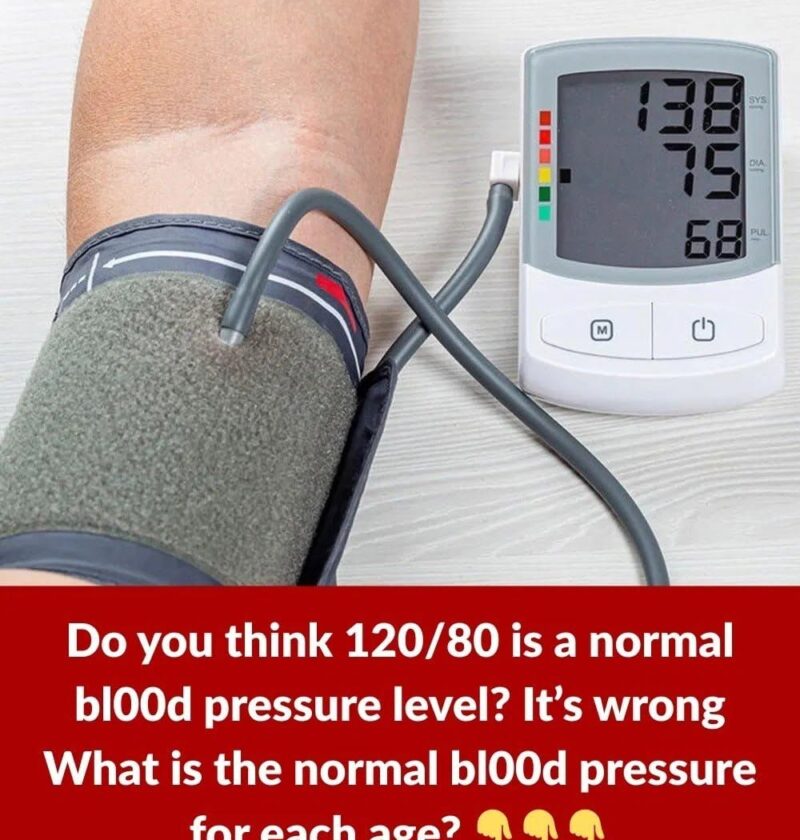
The headline “Everyone has made this mistake. What is the normal blood pressure for each age?” is misleading because there isn’t a different “normal” blood pressure for every age group.
For most adults, the general target is:
| Category | Blood Pressure (mmHg) |
|---|---|
| Normal | Less than 120/80 |
| Elevated | 120–129 and less than 80 |
| High Blood Pressure (Stage 1) | 130–139 or 80–89 |
| High Blood Pressure (Stage 2) | 140/90 or higher |
| Hypertensive Crisis | 180/120 or higher (requires urgent medical attention) |
Understanding blood pressure
Blood pressure has two numbers:
- Systolic (top number): pressure when the heart pumps.
- Diastolic (bottom number): pressure when the heart relaxes.
To see how blood flows through the body, here’s a helpful visualization:
genui{“biology_anatomy_physiology_learning_block_staging”:{“type_id”:”BLOOD_CIRCULATION”}}
Does age matter?
Blood pressure tends to rise with age, but that doesn’t mean higher values become “normal” or ideal.
In general:
- Children and teens have age- and height-specific ranges.
- Adults are usually evaluated using the same thresholds regardless of age.
- Older adults may have individualized treatment goals depending on overall health, frailty, and other medical conditions.
When should you be concerned?
You should discuss your readings with a healthcare professional if:
- Your blood pressure is consistently 130/80 mmHg or higher.
- You have symptoms such as chest pain, severe headache, shortness of breath, or vision changes.
- You have risk factors such as diabetes, kidney disease, or heart disease.
Best way to know your blood pressure status
A single reading doesn’t tell the whole story. Blood pressure should ideally be measured:
- After sitting quietly for 5 minutes
- With your back supported and feet on the floor
- Using a properly sized cuff
- On multiple days
If you tell me your age, sex, height, weight, and a recent blood pressure reading, I can help interpret it.