How to Deep Clean Bed Pillows and Restore Freshness – A Complete Home Cleaning Guide
Why Pillows Get Dirty Over Time
Even if pillow covers are changed regularly, pillows slowly absorb:
- Sweat and body oils
- Dust and dead skin cells
- Moisture from breathing
- Odors from the environment
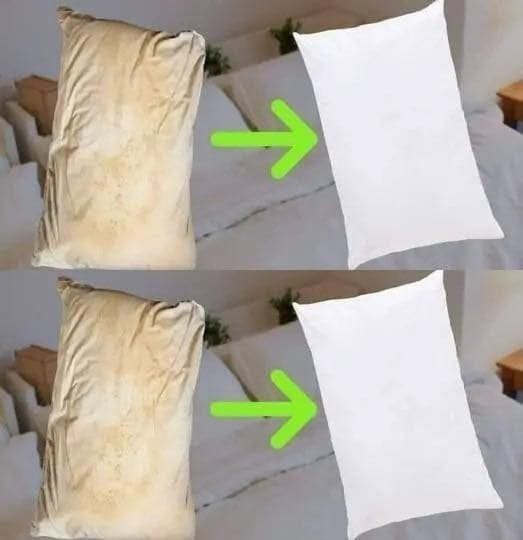
Over time, this can lead to yellow stains, unpleasant smells, and reduced freshness. Regular deep cleaning helps maintain hygiene and comfort.
Can You Really Make Old Pillows White Again?
Pillows may not always return to “brand new white,” especially if they are heavily aged, but proper cleaning can:
- Remove surface stains
- Reduce yellowing
- Eliminate odors
- Restore freshness and softness
Materials like microfiber, cotton, and polyester pillows respond well to washing, while memory foam requires special care.
1. Check the Pillow Care Label First
Before washing, always check the manufacturer instructions. Pillows generally fall into two categories:
- Machine washable (cotton, polyester, down alternative)
- Hand wash only or spot clean (memory foam, latex)
Ignoring care instructions may damage the pillow permanently.
2. Pre-Treat Stains for Better Results
For yellow stains caused by sweat or oils, pre-treatment helps.
Common cleaning approach:
- Mix mild detergent with warm water
- Apply directly to stained areas
- Let it sit for 15–20 minutes
This helps loosen buildup before washing.
3. Use a Gentle but Effective Washing Method
For washable pillows:
- Use warm water (not too hot)
- Add a mild laundry detergent
- Wash two pillows together to balance the machine
- Use a gentle cycle
This helps maintain pillow shape while cleaning deeply.
4. Natural Boost for Whitening and Odor Removal
Some people use natural cleaning boosters such as baking soda and vinegar during washing cycles to help:
- Neutralize odors
- Break down residue
- Improve freshness
These are commonly used in household cleaning routines.
5. Proper Drying Is Very Important
Improper drying can lead to mold or odor.
Best drying methods:
- Use low heat in a dryer
- Add clean tennis balls or dryer balls to maintain fluffiness
- Or air dry in sunlight for natural freshness
Make sure the pillow is completely dry before use.
6. How to Clean Memory Foam Pillows Safely
Memory foam should not be machine washed. Instead:
- Spot clean with mild soap and water
- Gently press (do not soak or twist)
- Air dry completely
Excess water can damage the foam structure permanently.
7. How Often Should You Wash Pillows?
For hygiene and comfort:
- Every 3–6 months for deep cleaning
- Pillow covers: weekly washing
- Regular sun exposure helps reduce moisture buildup
Common Mistakes to Avoid
- Using harsh bleach (can damage fabric)
- Washing without checking care labels
- Not drying completely
- Overloading washing machine
These mistakes can reduce pillow lifespan.
Final Cleaning Perspective
Proper pillow care improves sleep hygiene, comfort, and freshness. While pillows naturally wear over time, regular cleaning helps maintain a healthier sleeping environment and reduces buildup of allergens and odors.
Sources
- American Cleaning Institute – Household Fabric Care Guidelines
- Sleep Foundation – Pillow Hygiene and Maintenance
- Mayo Clinic – Allergy Prevention and Bedding Cleanliness
- NHS UK – Household Hygiene Recommendations
Part 2: Simple Pillow Cleaning Routine
What You Need
- Mild laundry detergent
- Baking soda (optional)
- White vinegar (optional)
- Washing machine or basin
- Dryer or sunlight
Steps
- Check pillow care label.
- Pre-treat stains with mild detergent.
- Wash on gentle cycle with warm water.
- Add baking soda or vinegar if needed.
- Dry completely using sun or low heat.
- Fluff pillow before use.