🌿 Home Remedies for Fresher Breath: Managing Tonsil Stones and Bad Odor
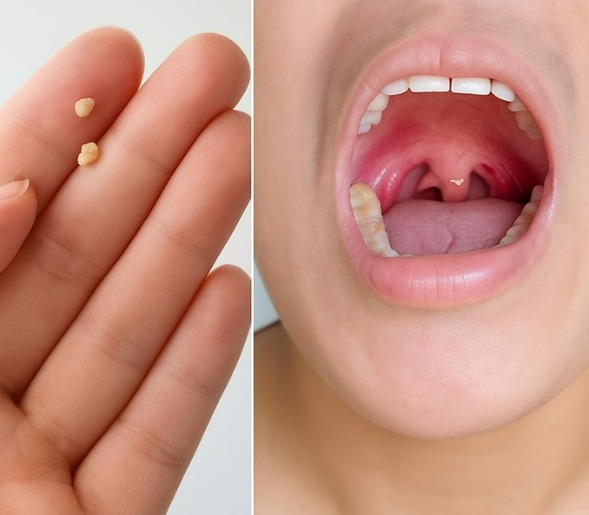
Bad breath can sometimes be linked to Tonsil Stones (tonsilloliths), which are small deposits of debris, bacteria, and dead cells that become trapped in the crevices of the tonsils. These stones can produce a strong odor because bacteria release sulfur-containing compounds.
While home remedies may help reduce odor and improve oral hygiene, they do not always eliminate the underlying cause. Persistent symptoms should be evaluated by a healthcare professional or dentist.
🧂 1. Warm Salt Water Gargles
One of the simplest remedies is gargling with warm salt water.
How to do it:
- Mix ½ teaspoon of salt into a glass of warm water.
- Gargle for 15–30 seconds.
- Repeat several times daily.
Potential benefits:
- Helps loosen debris around the tonsils.
- May reduce throat irritation.
- Supports overall oral cleanliness.
💧 2. Stay Well Hydrated
A dry mouth allows odor-causing bacteria to thrive.
Tips:
- Drink water regularly throughout the day.
- Consider drinking water after meals.
- Limit excessive alcohol and caffeine if they contribute to dry mouth.
🪥 3. Improve Oral Hygiene
Bacteria on the teeth and tongue are a common source of bad breath.
Daily habits:
- Brush teeth twice daily.
- Floss regularly.
- Clean the tongue gently using a tongue scraper or toothbrush.
- Replace your toothbrush as recommended.
🍃 4. Sugar-Free Gum
Chewing sugar-free gum can stimulate saliva production.
Why it helps:
- Saliva naturally washes away bacteria.
- A moist mouth environment reduces odor-causing compounds.
Look for products containing xylitol if appropriate.
🥬 5. Eat Fresh Fruits and Vegetables
Crunchy fruits and vegetables can help mechanically clean the mouth.
Examples include:
- Apples
- Carrots
- Celery
These foods also encourage saliva production.
🫖 6. Green Tea
Green Tea contains plant compounds that may help reduce oral bacteria and odor temporarily.
Unsweetened varieties are generally preferred.
🚫 7. Avoid Tobacco Products
Smoking and tobacco use can:
- Increase bad breath
- Dry the mouth
- Contribute to tonsil stone formation
- Irritate throat tissues
⚠️ Be Careful Removing Tonsil Stones at Home
Some people attempt to remove tonsil stones manually.
Avoid:
- Sharp objects
- Aggressive scraping
- Excessive pressure
These can injure the tonsils and increase the risk of infection or bleeding.
🩺 When to See a Doctor
Consider medical evaluation if you have:
- Frequent or large tonsil stones
- Persistent bad breath despite good oral hygiene
- Difficulty swallowing
- Recurrent sore throats
- Swollen tonsils
- Pain or bleeding
An ear, nose, and throat specialist may recommend additional treatment options.
📌 Key Takeaway
For bad breath associated with Tonsil Stones, the most helpful home strategies are:
- Warm salt water gargles
- Good oral hygiene
- Adequate hydration
- Tongue cleaning
- Avoiding tobacco
These measures can often improve breath odor and reduce bacterial