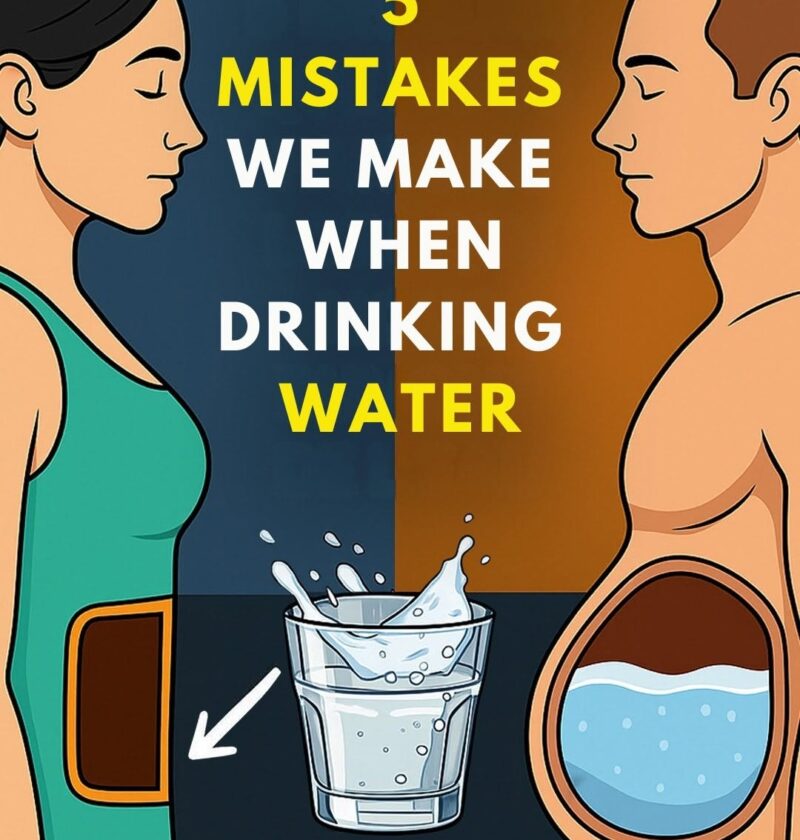
Drinking water “properly” isn’t about a strict trick—it’s about consistent hydration habits that support your body’s normal function.
Here’s a clear, science-based guide:
💧 1. Drink regularly, not all at once
Your body absorbs water better in small, steady amounts rather than large amounts in one sitting.
- Good habit: sip water throughout the day
- Avoid: chugging huge amounts only when you feel very thirsty
⏰ 2. Start your day with water
After sleep, your body is slightly dehydrated.
- 1 glass of water after waking up helps rehydrate
- It may also help digestion and alertness
🍽️ 3. Drink around meals—but don’t overdo it
- Small sips during meals are fine
- Very large amounts right before/after eating may cause discomfort for some people
🚶 4. Increase intake during activity or heat
You need more water when:
- It’s hot weather
- You are exercising or sweating
- You are sick (fever, diarrhea, etc.)
🧠 5. Listen to thirst—but don’t rely only on it
Thirst is useful, but not perfect—especially in older adults.
Better signs of hydration:
- Light yellow urine
- Regular urination
- No dizziness or dry mouth
🧂 6. Balance electrolytes when needed
In heavy sweating, water alone may not be enough.
Electrolytes (like sodium and potassium) help maintain balance.
⚠️ 7. Avoid extremes
Too little water → dehydration
Too much water too fast → can stress the body (rare but possible)
🥤 8. Choose simple, clean fluids
Best options:
- Plain water
- Lightly infused water (lemon, mint)
Limit:
- Excess sugary drinks
- Too much caffeine (can mildly dehydrate in high amounts)