The headline “If you have a heart attack at home, do this in 10 seconds and you can save your life” is misleading and potentially dangerous. There is no proven 10-second technique that can stop or reverse a heart attack.
One common myth is that you can save yourself by coughing repeatedly (“cough CPR”). This is not recommended for someone who thinks they are having a heart attack. “Cough CPR” is only used in very specific, monitored hospital situations—not as a home treatment.
If you think you’re having a heart attack:
- Call your local emergency services immediately.
- Do not wait to see if the symptoms go away.
- Sit down and rest while waiting for help.
- If you’ve been prescribed nitroglycerin, take it exactly as directed by your healthcare professional.
- If you are not allergic, have no active bleeding, and have been advised it’s appropriate, emergency dispatchers or healthcare professionals may instruct you to chew an aspirin while waiting for help. Do this only if it is appropriate for your situation.
- Do not try to drive yourself to the hospital if an ambulance is available, especially if symptoms are severe.
Common heart attack symptoms
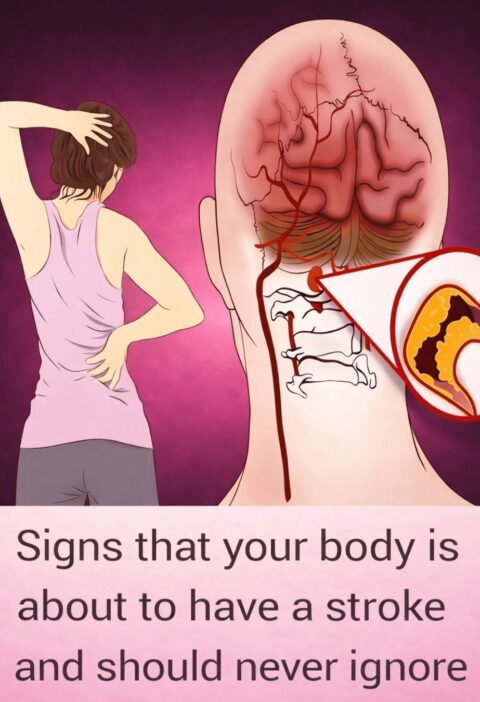
- Chest pain, pressure, tightness, or heaviness
- Pain spreading to the arm, shoulder, neck, jaw, or back
- Shortness of breath
- Cold sweat
- Nausea or vomiting
- Lightheadedness or fainting
Symptoms can be different in women, older adults, and people with diabetes, and may include unusual fatigue, nausea, or shortness of breath without severe chest pain.
If you have the second half of the article (“2/2”), share it and I can explain whether its advice is accurate or a myth.