If You Think You’re Having a Heart Attack at Home: What to Do Immediately
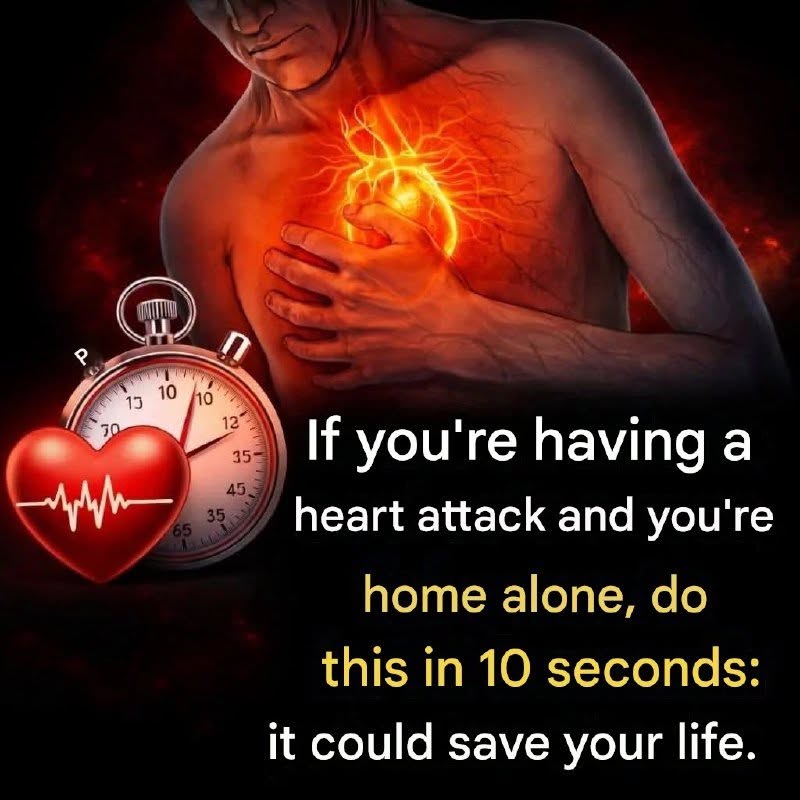
A heart attack is a medical emergency. There is no guaranteed “10-second trick” that can stop a heart attack, but taking the right actions quickly can improve your chances of survival.
1. Call emergency services immediately
If you have symptoms that could be a heart attack:
- Call your local emergency number (such as 911 in the U.S. and Canada).
- Do not wait to see if symptoms go away.
- If possible, unlock your door so emergency responders can enter.
2. Stop what you are doing and sit down
- Sit or lie in a comfortable position with your upper body slightly raised.
- Try to stay as calm and still as possible.
- Avoid walking around or driving yourself to the hospital.
3. Take aspirin only if appropriate
If emergency services or a healthcare professional advises it, and you are not allergic to aspirin, not on a medication that makes it unsafe, and have no reason to avoid it, chewing an aspirin tablet may be recommended in some situations.
Do not take aspirin if you have been told by a healthcare professional not to use it.
4. Recognize common warning signs
Heart attack symptoms may include:
- Pressure, squeezing, fullness, or pain in the chest
- Pain spreading to the arm, shoulder, back, neck, jaw, or stomach
- Shortness of breath
- Cold sweat
- Nausea
- Sudden weakness or unusual fatigue
Symptoms can be different in older adults, women, and people with diabetes.
5. If you are alone
- Keep your phone nearby.
- Call for help rather than trying to drive yourself.
- If you become unconscious, an emergency contact or medical alert system can help responders find you.
Important: The “cough CPR” claim
You may have seen advice online saying to “cough forcefully” during a heart attack. This is not a proven self-treatment for a heart attack and should not delay calling emergency services.
The most important “10-second action” is simple: recognize the possibility, call for emergency help, and stop exerting yourself.
If you want, I can also provide a short “heart attack first-aid checklist to keep on your refrigerator or phone.”