If Your Hip Hurts, It May Be a Sign of an Underlying Problem
Hip pain is common, especially with increasing age, but it is not always caused by the hip joint itself. Pain can come from muscles, tendons, bones, nerves, or even the lower back. While many causes are minor and improve with time, persistent or severe pain deserves medical evaluation.
Common Causes of Hip Pain
1. Osteoarthritis
The cartilage in the hip joint gradually wears down, causing:
- Pain with movement
- Stiffness, especially in the morning or after resting
- Reduced range of motion
2. Bursitis
Inflammation of the fluid-filled sacs (bursae) around the hip can cause:
- Pain on the outside of the hip
- Tenderness when lying on the affected side
- Pain when walking or climbing stairs
3. Muscle or Tendon Strain
Overuse, exercise, or sudden movements can strain muscles or tendons around the hip.
4. Tendinitis
Inflamed tendons may cause pain that worsens with activity and improves with rest.
5. Referred Pain from the Lower Back
Problems such as arthritis or a herniated disc in the lower spine can cause pain that radiates into the hip or leg.
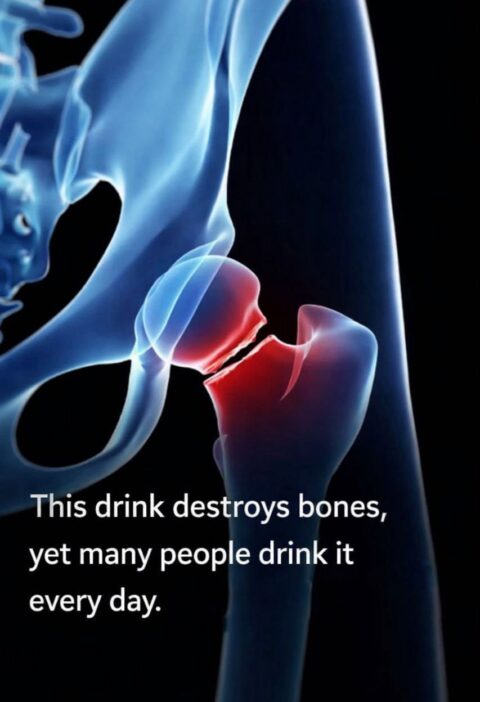
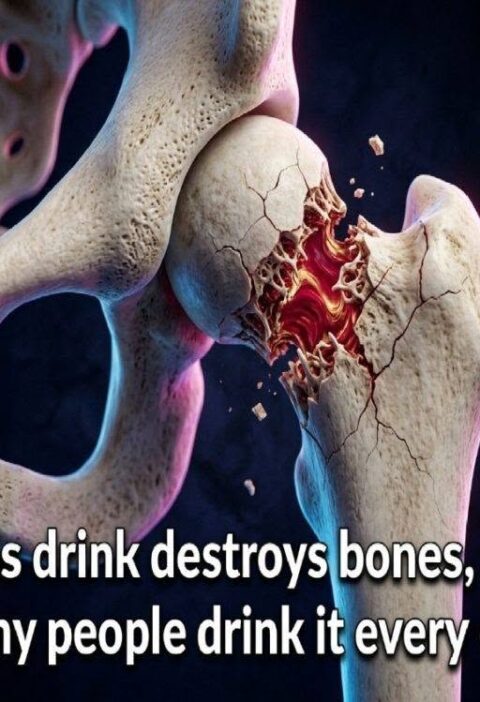
6. Hip Fracture
Older adults, especially those with osteoporosis, are at higher risk of hip fractures after a fall. This usually causes:
- Severe pain
- Difficulty standing or walking
- Inability to bear weight
7. Less Common Causes
Hip pain can also result from:
- Infections
- Inflammatory arthritis
- Reduced blood supply to the hip bone (avascular necrosis)
- Certain bone or soft tissue conditions
Self-Care for Mild Hip Pain
If the pain is mild and not caused by an injury:
- Rest the joint for a short time.
- Apply ice during the first 24–48 hours if the pain is new.
- Gentle stretching and low-impact activity may help once the pain begins to improve.
- Maintain a healthy weight to reduce stress on the hip joint