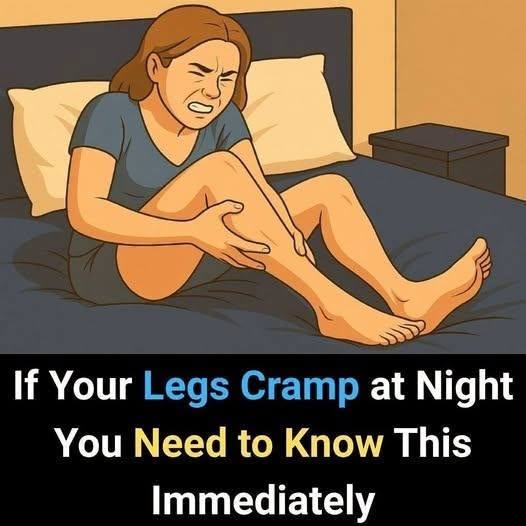
If Your Legs Cramp at Night, Here’s What You Should Know
Nighttime leg cramps are common, especially in the calf muscles, and they can be painful enough to wake you from sleep. While they are often harmless, frequent or severe cramps may be worth discussing with a healthcare professional.
Common reasons nighttime leg cramps may happen
- Muscle fatigue or overuse
- Long periods of standing, walking, or intense exercise can strain muscles.
- Dehydration
- Not drinking enough fluids may contribute to muscle tightness and cramping.
- Electrolyte changes
- Low levels of minerals such as magnesium, potassium, or calcium can affect muscle function, although supplements are not always the solution and should be used appropriately.
- Reduced circulation or nerve irritation
- Some circulation problems or nerve conditions can contribute to cramping.
- Certain medications
- Some medicines can increase the chance of muscle cramps in some people.
What you can do during a cramp
- Gently stretch the affected muscle
- Massage the area
- Apply warmth (such as a warm towel or heating pad)
- Move the leg and walk around if possible
To help prevent cramps
- Stay hydrated
- Stretch calf and leg muscles regularly, especially before bed
- Stay active with appropriate exercise
- Wear supportive footwear
- Review medications with a healthcare professional if cramps started after a new medicine
Seek medical advice if:
- Cramps are frequent, severe, or getting worse
- You have swelling, redness, or weakness in the leg
- You experience numbness or loss of feeling
- Cramps are interfering with sleep regularly
Night leg cramps are usually not a sign of something serious, but persistent changes in your body are worth checking.