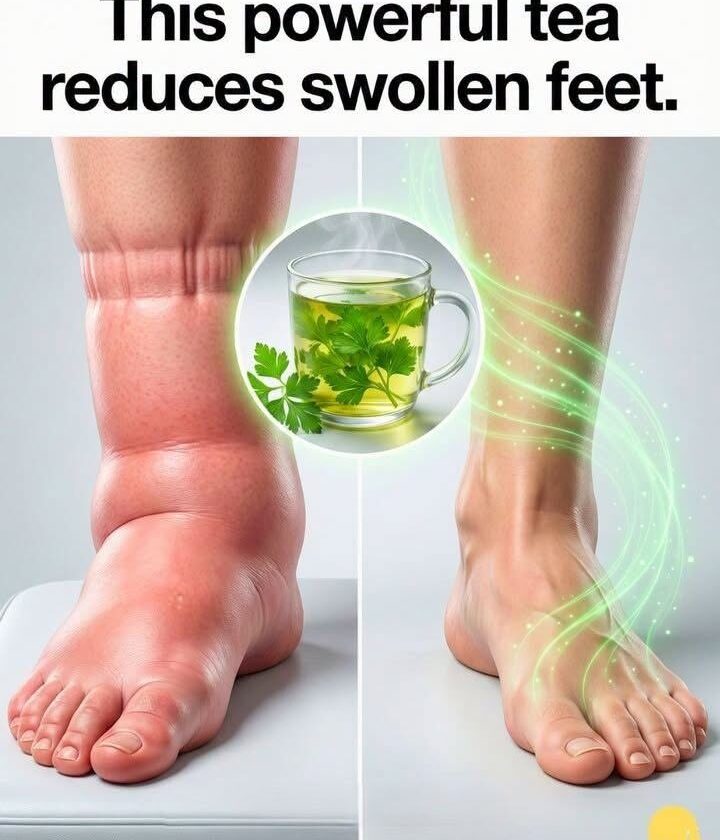
Swollen legs or ankles by the afternoon are common, and while “elevate your legs” is often recommended, it can feel overly simplistic when you’re dealing with it every day.
Why swelling often gets worse later in the day
When you’re sitting or standing for long periods, gravity causes fluid to accumulate in the lower legs and ankles. This can be related to:
- Prolonged sitting or standing
- Venous insufficiency (veins having trouble returning blood to the heart)
- Certain medications
- Obesity
- Pregnancy
- Heart, kidney, or liver conditions
- Lymphedema (lymphatic fluid buildup)
What can help besides leg elevation
- Regular movement: Walking and calf muscle exercises help pump blood and fluid back upward.
- Avoid long periods in one position: Try to move every 30–60 minutes.
- Compression stockings: Often effective for venous swelling when properly fitted.
- Reduce excess dietary sodium: High salt intake can contribute to fluid retention.
- Maintain a healthy weight: If applicable, this can reduce pressure on veins.
When swelling needs medical evaluation
You should seek medical attention if:
- One leg is much more swollen than the other
- Swelling appears suddenly
- You have pain, redness, warmth, or tenderness in the leg
- You have shortness of breath or chest pain
- The swelling is persistent or worsening
These symptoms can sometimes indicate conditions such as a blood clot, heart problems, or other medical issues that need prompt assessment.
Bottom line
Elevating your legs can help reduce swelling temporarily, but it doesn’t address the underlying cause. If ankle or leg swelling is happening regularly, it’s worth looking at the reason behind it rather than relying on elevation alone.
If you’d like, you can tell me:
- Your age
- Whether both legs swell or just one
- Whether the swelling leaves a dent when you press on it
- Any medications you’re taking
and I can help explain some of the more likely causes.