That headline is likely exaggerated or clickbait. Vitamin D is important for bone health, immune function, and more, and most people should not “stop immediately” unless there are signs of excessive intake or a doctor advises it.
However, taking very high doses of vitamin D can lead to vitamin D toxicity (usually from supplements, not sunlight). This can cause dangerously high calcium levels in the blood.
Symptoms that warrant stopping supplements and contacting a healthcare professional include:
- Severe nausea, vomiting, or loss of appetite
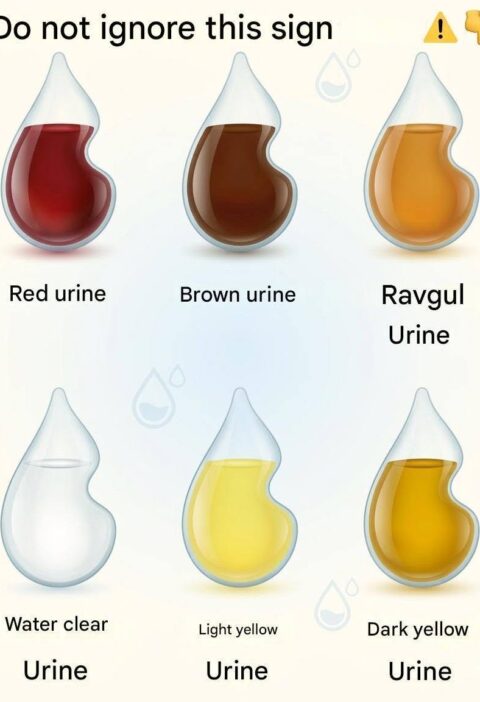
These can be signs of high calcium levels caused by too much vitamin D. - Excessive thirst and frequent urination
High calcium can affect the kidneys and fluid balance. - Weakness, confusion, dizziness, or unusual fatigue
Neurological symptoms can occur in more serious toxicity cases. - Kidney-related symptoms
Such as flank pain, kidney stones, or reduced kidney function.
Other possible symptoms include constipation, abdominal pain, muscle weakness, and irregular heartbeat in severe cases.
Vitamin D toxicity is usually associated with:
- Long-term megadoses (for example, 10,000+ IU daily for extended periods)
- Taking multiple supplements containing vitamin D
- Certain medical conditions affecting calcium metabolism
The standard recommended intake for most adults is often around 600–800 IU/day, though some people are prescribed higher amounts temporarily under medical supervision.
If someone suspects toxicity, doctors typically check:
- Blood vitamin D levels (25-hydroxy vitamin D)
- Calcium levels
- Kidney function
Do not abruptly stop a prescribed supplement solely because of a viral headline. If symptoms are present or dosing is unclear, it’s safest to review it with a clinician or pharmacist.