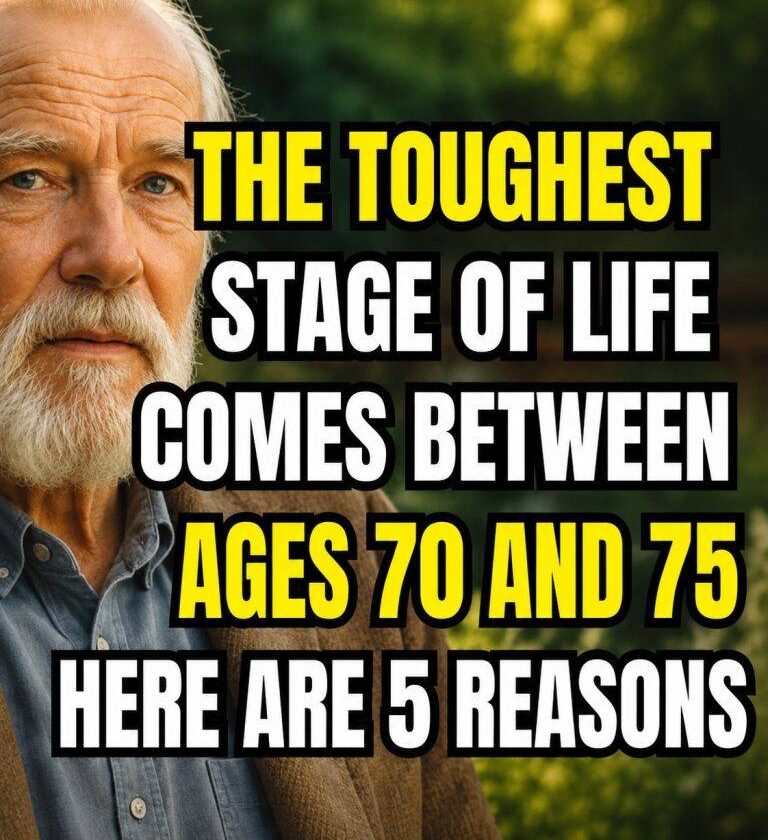
Age 70–75 Life Stage
The age range between 70 and 75 is often considered a major transition period in human aging. During this stage, the body undergoes natural physiological changes that can affect energy levels, mobility, memory, and overall independence.
However, it is important to understand that aging is not a disease—it is a natural biological process. While some individuals may experience difficulties, others remain active and independent depending on lifestyle, genetics, and healthcare habits.
This guide explains five major challenges commonly associated with this stage of life, along with practical insights to manage them effectively.
🧓 1. Declining Physical Strength and Mobility
One of the most noticeable changes in the 70–75 age group is reduced muscle strength and flexibility.
🔬 Why this happens:
- Loss of muscle mass (sarcopenia)
- Reduced bone density
- Joint stiffness from wear and tear
- Slower recovery after physical activity
🚶 Common effects:
- Difficulty climbing stairs
- Slower walking speed
- Joint pain in knees or hips
- Higher risk of falls
🛡️ How to manage it:
- Light daily walking
- Gentle stretching exercises
- Calcium and vitamin D intake
- Balance training activities
Maintaining mobility is one of the most important factors in preserving independence.
🧠 2. Memory Changes and Cognitive Slowing
Mild memory decline is common in older adults, although severe memory loss is not a normal part of aging.
🔬 What may happen:
- Slower recall of names or events
- Difficulty multitasking
- Reduced attention span
- Occasional forgetfulness
🧠 Contributing factors:
- Reduced brain blood flow
- Decreased neuron activity
- Poor sleep quality
- Nutritional deficiencies
🛡️ Support strategies:
- Mental exercises (reading, puzzles)
- Social interaction
- Balanced diet rich in antioxidants
- Proper sleep routine
Brain stimulation plays a key role in maintaining cognitive health.
❤️ 3. Increased Risk of Chronic Health Conditions
Between ages 70 and 75, chronic diseases become more common.
🩺 Common conditions include:
- High blood pressure
- Diabetes
- Heart disease
- Arthritis
- Kidney-related issues
🔬 Why risk increases:
- Long-term wear on organs
- Slower metabolism
- Lifestyle accumulation over decades
🛡️ Management approach:
- Regular medical check-ups
- Medication adherence
- Healthy diet (low salt, low sugar)
- Physical activity tailored to ability
Early detection and monitoring are essential.
🦴 4. Bone Fragility and Increased Fall Risk
Bone density naturally decreases with age, making fractures more likely.
⚠️ Common concerns:
- Osteoporosis
- Hip fractures
- Balance issues
- Slow healing after injury
🔬 Causes:
- Lower calcium absorption
- Hormonal changes
- Reduced physical activity
🛡️ Prevention strategies:
- Calcium and vitamin D-rich diet
- Safe home environment (no slippery floors)
- Use of walking support if needed
- Regular strength exercises
Fall prevention is a major priority in geriatric care.
😴 5. Sleep Disturbances and Energy Decline
Sleep patterns often change significantly after 70.
🛌 Common issues:
- Difficulty falling asleep
- Frequent night waking
- Early morning awakening
- Reduced deep sleep cycles
🔬 Why it happens:
- Changes in circadian rhythm
- Medical conditions or medications
- Reduced melatonin production
- Anxiety or discomfort
🛡️ Healthy sleep support:
- Consistent sleep schedule
- Reduced screen exposure at night
- Light evening meals
- Relaxation techniques
Good sleep is essential for physical and mental recovery.
🧠 Important Truth About Aging
Not everyone experiences these challenges in the same way. Lifestyle choices made earlier in life—such as diet, exercise, and stress management—greatly influence how smoothly a person transitions through this stage.
Aging successfully depends on:
- Regular physical activity
- Balanced nutrition
- Strong social connections
- Preventive healthcare
📚 Sources (Medical & Geriatric References)
- World Health Organization (WHO) – Ageing and health
- National Institute on Aging (NIA)
- Mayo Clinic – Healthy aging guidelines
- Centers for Disease Control and Prevention (CDC) – Older adult health
- Harvard Medical School – Aging and brain health studies
🌿 Part 2: Simple Healthy Aging Support Routine (Daily Lifestyle Guide for Ages 70–75)
🚶 Gentle Daily Movement Plan
🧾 Steps:
- 15–30 minutes light walking
- Simple stretching exercises
- Avoid long periods of sitting
🥗 Balanced Nutrition Plan
🧾 Focus on:
- Fresh fruits and vegetables
- Whole grains
- Lean proteins
- Calcium-rich foods (milk, yogurt, leafy greens)
🧠 Brain Health Support
🧾 Activities:
- Reading
- Listening to music
- Social interaction
- Light puzzles or memory games
😴 Sleep Improvement Routine
🧾 Steps:
- Fixed bedtime schedule
- Light dinner before sleep
- Calm environment at night
❤️ Health Monitoring Habits
🧾 Steps:
- Regular doctor check-ups
- Blood pressure monitoring
- Medication compliance
⭐ Final Note
The age range of 70–75 is a natural stage of life that may come with physical and mental changes, but with proper care, activity, and medical support, many people continue to live active and meaningful lives.