That “secret” is more of a social media folk remedy than something medically solid—and it comes with some real caveats.
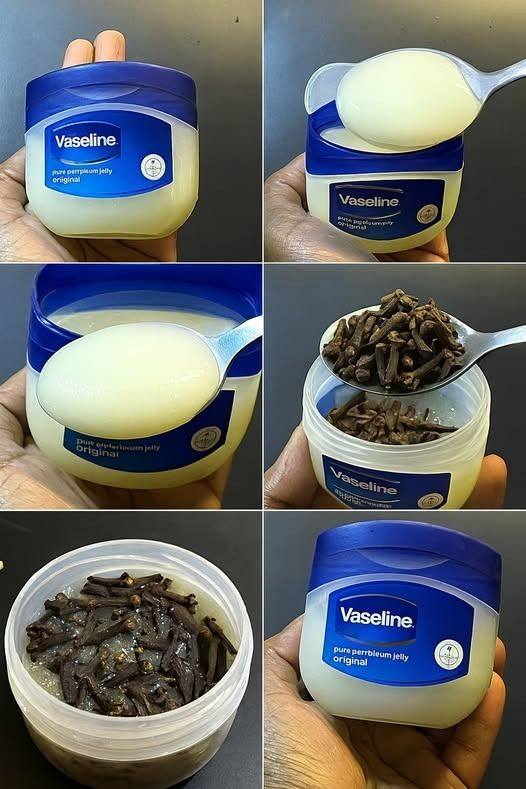
Cloves contain eugenol, which has mild analgesic (pain-numbing) and antimicrobial properties. That’s why clove oil is sometimes used in diluted form for toothache relief. Petroleum jelly (like Vaseline) is just an occlusive moisturizer—it locks moisture in but doesn’t treat underlying problems.
Mixing the two and applying it on skin is sometimes suggested online for things like acne, joint pain, or fungal issues, but the evidence for those uses is weak. More importantly:
- Clove can irritate skin (especially undiluted or in DIY mixes)
- It can cause burning, redness, or allergic reactions in some people
- Petroleum jelly can trap irritants against the skin, sometimes making irritation worse
- It won’t treat infections, acne causes, or inflammation at the root
So while it might feel soothing in very small, carefully diluted use, it’s not a “secret cure” and can backfire depending on skin sensitivity.
If you’re thinking of using it for a specific issue (like joint pain, acne, or tooth pain), tell me—there are safer, more effective options depending on what you’re targeting.