Natural and Powerful Homemade Weed Control Methods
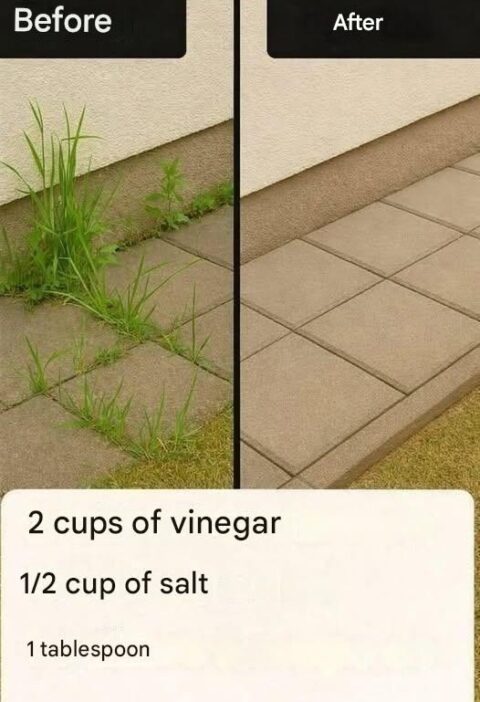
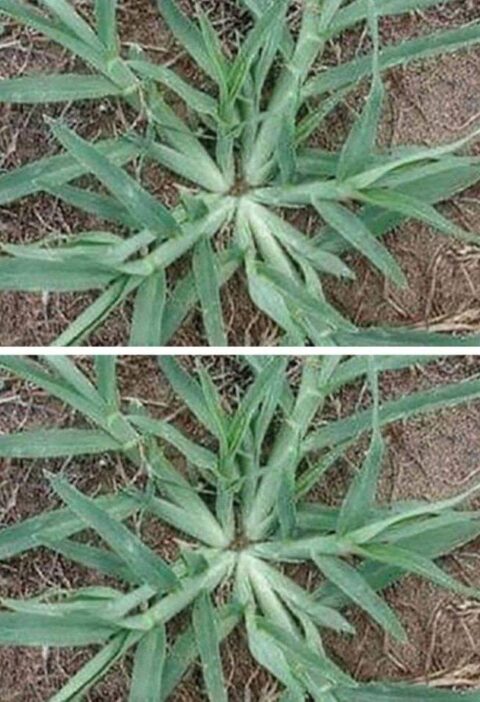
If you want to reduce weeds without using commercial herbicides, several household-based approaches can help. Keep in mind that many “natural” weed killers are non-selective, meaning they can damage grass, flowers, vegetables, and other plants they touch.
1. Vinegar-based weed spray
A common homemade spray uses vinegar because its acidity can dry out plant leaves.
Simple mix:
- 1 liter (about 4 cups) of household white vinegar
- A few drops of dish soap (helps the liquid stick to leaves)
How to use:
- Spray directly onto weed leaves on a dry, sunny day.
- Avoid spraying desirable plants.
- Young weeds usually respond better than deep-rooted, established ones.
Note: Household vinegar may only burn the leaves; many perennial weeds can grow back from their roots.
2. Mulch to block weeds naturally
Mulching is one of the most effective long-term methods:
- Apply a layer of wood chips, straw, compost, or leaves around plants.
- It blocks sunlight and makes it harder for weed seeds to grow.
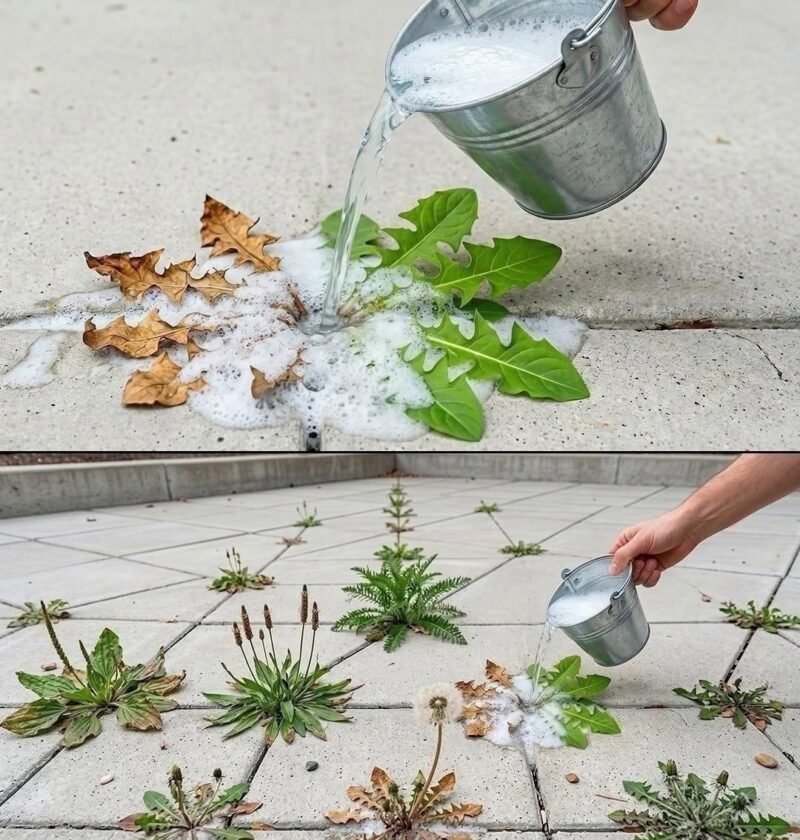
3. Boiling water for cracks and paths
Pouring boiling water directly on weeds growing in:
- Sidewalk cracks
- Driveways
- Gravel paths
can kill the plant tissue. Use caution to avoid burns and protect nearby plants.
4. Pull weeds at the right time
For the best results:
- Remove weeds after rain when soil is softer.
- Pull slowly to remove as much of the root as possible.
- Weed regularly before plants produce seeds.
Avoid using harmful homemade mixtures
Some viral recipes include salt or strong chemicals. Salt can permanently damage soil, harm nearby plants, and make areas difficult to grow in for a long time.
For gardens and lawns, the best approach is usually a combination of mulch, hand removal, healthy soil, and targeted treatments rather than relying on one homemade spray.