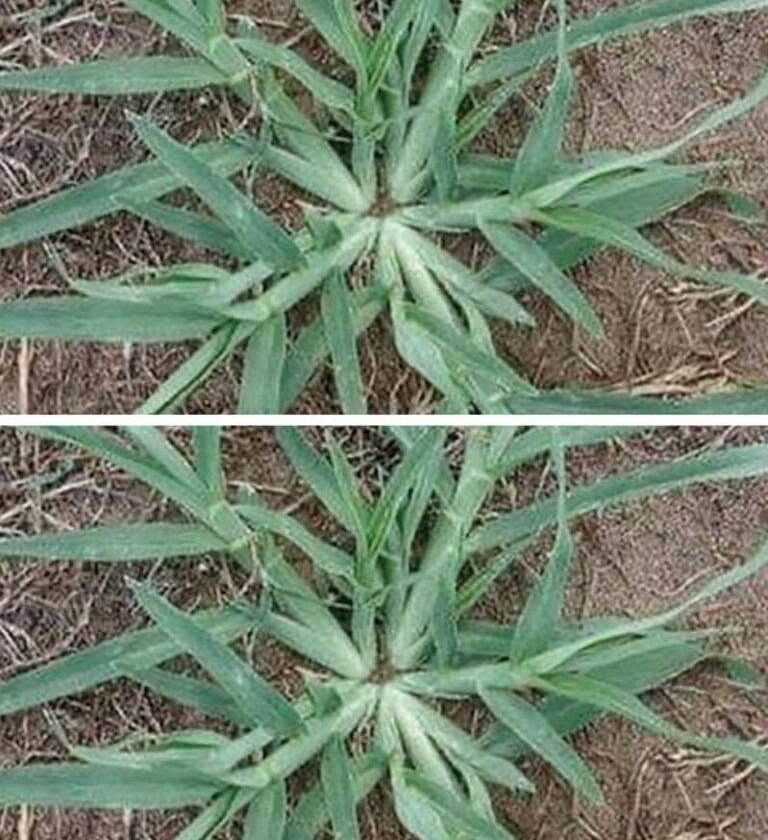
That line is another viral superstition-style clickbait, not a scientific warning. It’s designed to create fear around a plant without identifying it or giving real evidence.
Usually, posts like this are referring to common wild plants such as dandelion, basil, tulsi, or certain weeds, but the message “never uproot it” is not universally true for any plant.
🌿 What’s really going on with these claims
These posts often say things like:
- “It brings luck or protection”
- “It has healing powers you’ll lose if removed”
- “Ancient wisdom says don’t touch it”
👉 These are cultural beliefs or storytelling, not verified biology.
🌱 In reality, whether you should remove a plant depends on:
✔️ 1. Is it harmful or invasive?
- Some weeds spread quickly and damage other plants
- In that case, removing them is actually beneficial
✔️ 2. Is it useful or medicinal?
Some plants can be helpful (depending on correct identification), but:
- Benefit depends on correct species
- Proper use matters (not just “having it in the garden”)
✔️ 3. Is it part of your garden design?
- Some people intentionally keep “wild plants”
- Others remove them for aesthetics or space
⚠️ Important warning
Never follow “don’t uproot this plant” posts blindly because:
- They rarely clearly identify the plant
- Misidentification can lead to confusion or even handling harmful species
- Some weeds can damage crops or soil balance
🧠 Bottom line
There is no universal plant that you should “never uproot” just because of mystery claims online. Whether a plant stays or goes should be based on correct identification and practical gardening needs, not viral superstition.
If you want, send a picture or description of the plant, and I can tell you what it actually is and whether it’s useful, harmful, or just a common weed.