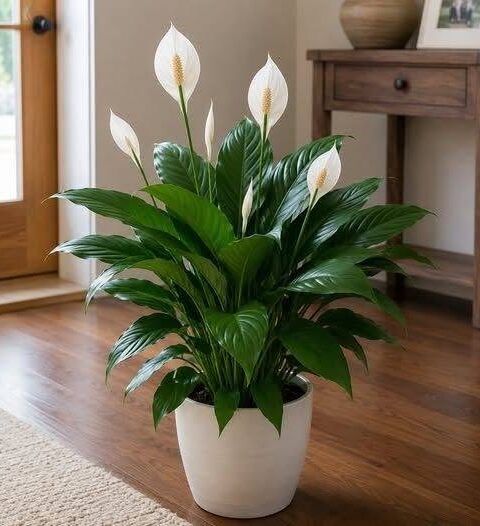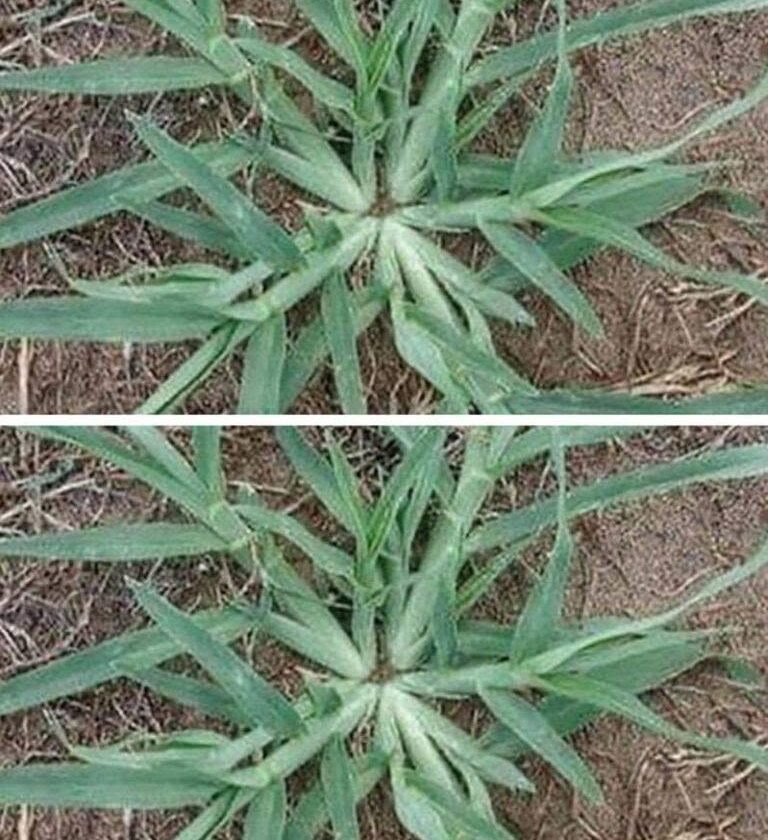
“Never uproot this plant if it appears in your garden.”
It’s designed to make you curious or anxious, but it’s incomplete on purpose because it usually hides the actual plant name until you click.
What it actually means
In real gardening, there is no universal plant that should never be uprooted. Whether a plant is “good” or “bad” depends on:
- The species (some are weeds, some are medicinal, some are invasive)
- Your location and ecosystem
- Whether it’s native or invasive
- Whether you want it for food, pollinators, or aesthetics
Why these posts exist
These headlines usually lead to claims like:
- “It’s a miracle medicinal herb”
- “It cures diseases”
- “It brings luck / protects your home”
- Or the opposite: “It’s extremely dangerous”
Most of the time, they are exaggerating a normal plant’s properties to drive engagement.
Real gardening truth
Some plants that people sometimes tell you not to remove (depending on region) might include:
- Medicinal herbs (in some traditions)
- Wild edible greens
- Pollinator-friendly plants
But in other contexts, the same plants may be considered:
- Weeds
- Invasive species
- Garden pests
Bottom line
The sentence doesn’t give enough information to be meaningful. It’s basically saying:
“Wait—don’t remove this mysterious plant… you might regret it.”
If you want, send the photo or the name of the plant from the post—I can tell you whether it’s actually useful, harmful, or just ordinary.