The claim that “colonoscopy will no longer be an invasive examination” refers to newer approaches being developed to make colorectal cancer screening easier and less uncomfortable. However, traditional colonoscopy is still an invasive procedure in many places and remains an important diagnostic tool.
What newer methods are being explored?
1. Stool-based screening tests
These look for signs of cancer or precancerous changes in a stool sample:
- FIT (fecal immunochemical test) — detects hidden blood in stool.
- Stool DNA tests — look for DNA changes linked to colorectal cancer.
Advantages:
- Done at home
- No bowel scope insertion
- No sedation needed
Limitations:
- If results are abnormal, a colonoscopy is usually still needed.
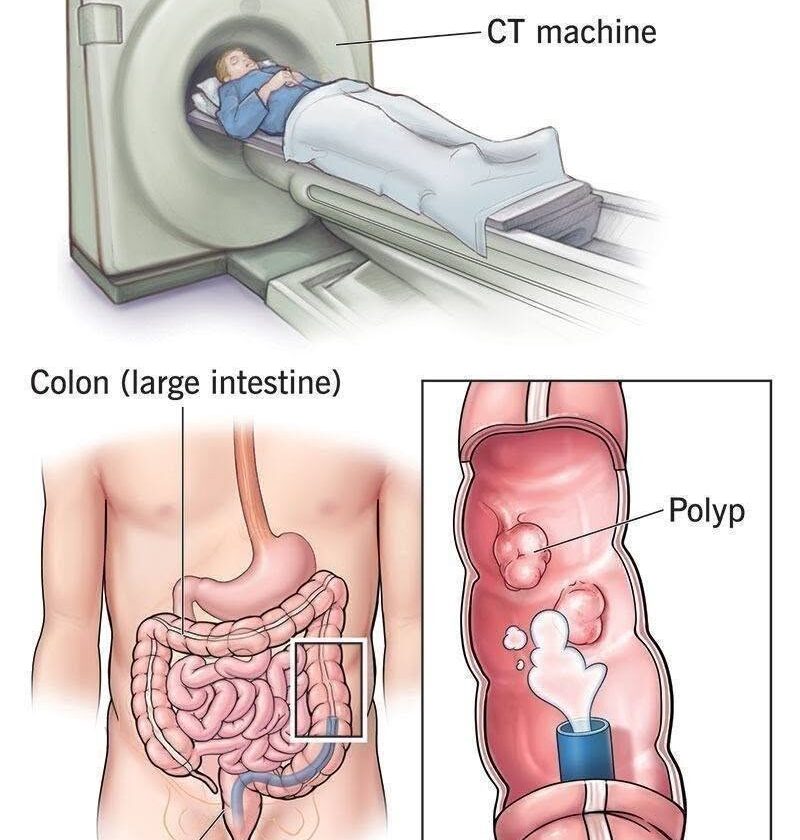
2. CT colonography (“virtual colonoscopy”)
- Uses CT imaging to create pictures of the colon.
- Does not require a camera to be inserted into the entire colon.
Limitations:
- Still usually requires bowel preparation.
- If a polyp is found, a traditional colonoscopy may be needed for removal.
3. Blood-based screening tests
Researchers are developing blood tests that look for cancer-related signals. Some have become available in certain settings, but they are not a complete replacement for colonoscopy for everyone.
Why colonoscopy is still used
A colonoscopy can:
- Find polyps before they become cancer
- Remove polyps during the same procedure
- Take tissue samples (biopsies)
So while screening is becoming less invasive and more convenient, colonoscopy remains a key test when a detailed examination or treatment is needed.
If you are referring to a specific “new method” (for example, a pill camera, AI test, or a blood test), tell me the name and I can explain how it works and whether it is actually replacing colonoscopy.