Understanding Blood Pressure Basics
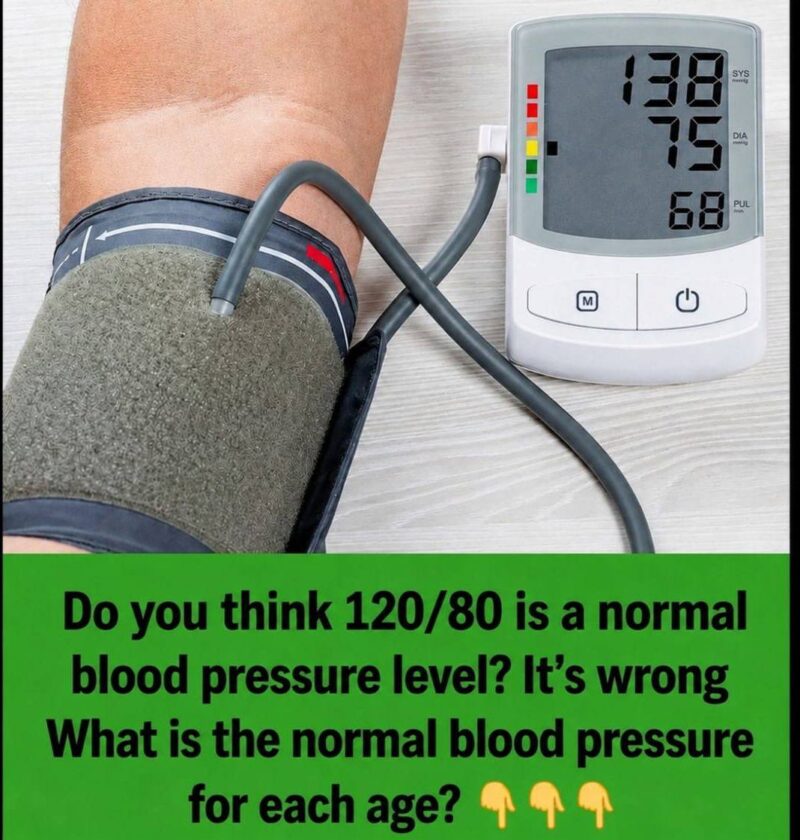
Blood pressure is the force of blood pushing against the walls of your arteries. It is measured using two numbers:
- Systolic pressure (top number): pressure when the heart beats
- Diastolic pressure (bottom number): pressure when the heart rests
A typical reading is written like 120/80 mmHg.
Blood pressure naturally changes with age, activity level, stress, and overall health.
A related condition is Hypertension, which increases the risk of heart disease and stroke.
Is There a “Perfect” Blood Pressure for Each Age?
There is no single perfect number for every age, but medical guidelines give healthy ranges based on age groups and overall cardiovascular risk.
Modern guidelines (from major health organizations) focus more on keeping blood pressure below 120/80 mmHg in adults, while recognizing slight variations across age groups.
Normal Blood Pressure by Age Group
1. Children (1–12 years)
Blood pressure in children varies based on height, weight, and age.
Typical range:
- Systolic: ~90–110 mmHg
- Diastolic: ~50–70 mmHg
Children naturally have lower blood pressure than adults.
2. Teenagers (13–19 years)
During puberty and growth, blood pressure gradually rises.
Typical range:
- Systolic: ~100–120 mmHg
- Diastolic: ~60–80 mmHg
Healthy teens often approach adult levels.
3. Adults (20–39 years)
For most healthy adults:
- Normal: below 120/80 mmHg
- Acceptable range: 90/60 to 120/80 mmHg
Consistently above this may indicate early risk.
4. Middle Age (40–59 years)
Blood pressure may gradually increase with age due to:
- Reduced artery flexibility
- Lifestyle factors
- Weight gain or stress
Typical healthy range:
- Around 110–130 / 70–85 mmHg
Doctors begin to monitor more closely in this stage.
5. Seniors (60+ years)
It is common for older adults to have slightly higher readings, but controlled levels are important.
Typical range:
- Up to around 130–140 / 80–90 mmHg (depending on individual health)
However, consistently high readings may indicate:
Hypertension
What Is Considered High Blood Pressure?
According to modern medical guidelines:
- Normal: below 120/80 mmHg
- Elevated: 120–129 / below 80
- High (Stage 1): 130–139 / 80–89
- High (Stage 2): 140/90 or higher
What Is Considered Low Blood Pressure?
Low blood pressure (hypotension) is generally:
- Below 90/60 mmHg
It may cause:
- Dizziness
- Fatigue
- Fainting (in some cases)
But for many people, low BP is normal and harmless.
Factors That Affect Blood Pressure
Blood pressure can change due to:
- Age
- Stress and anxiety
- Salt intake
- Physical activity
- Weight
- Medications
- Medical conditions (like diabetes or kidney disease)
A related condition that often affects BP is Type 2 Diabetes.
How to Keep Blood Pressure Healthy
1. Eat a Balanced Diet
Focus on:
- Fruits and vegetables
- Whole grains
- Low salt intake
- Healthy fats
2. Stay Physically Active
Regular walking or exercise helps maintain heart health.
3. Maintain a Healthy Weight
Excess weight increases strain on the heart.
4. Manage Stress
Chronic stress can raise blood pressure over time.
5. Avoid Smoking and Limit Alcohol
Both can negatively affect blood vessels.
When to See a Doctor
Seek medical advice if you notice:
- Consistent readings above 130/80 mmHg
- Frequent dizziness or fainting
- Severe headaches
- Chest discomfort
- Irregular heartbeat
Early detection helps prevent complications.
Final Thoughts
Normal blood pressure varies with age, but for most adults, staying close to or below 120/80 mmHg is considered healthy. Small changes are normal, but consistently high readings should be monitored.
Healthy lifestyle habits remain the most effective way to maintain good blood pressure at any age.
Sources
- American Heart Association
- Centers for Disease Control and Prevention
- World Health Organization
- Mayo Clinic
Part 2: Simple Daily Blood Pressure Care Tips
Morning Routine
- Check blood pressure if advised
- Drink water after waking up
- Avoid excessive salt at breakfast
Daily Habits
- Walk or exercise regularly
- Eat fruits and vegetables
- Reduce stress