Complete Guide to Long-Lasting Peace Lily Flowers and Healthy Growth
Understanding the Viral Claim About “One Ingredient That Makes Peace Lily Bloom for 10 Years”
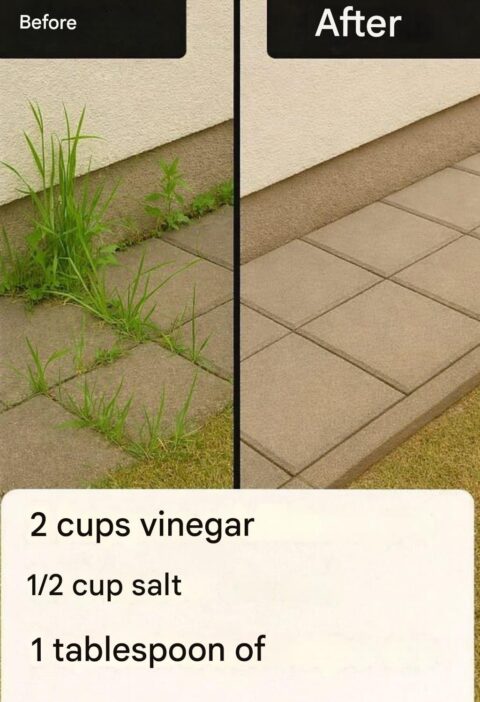
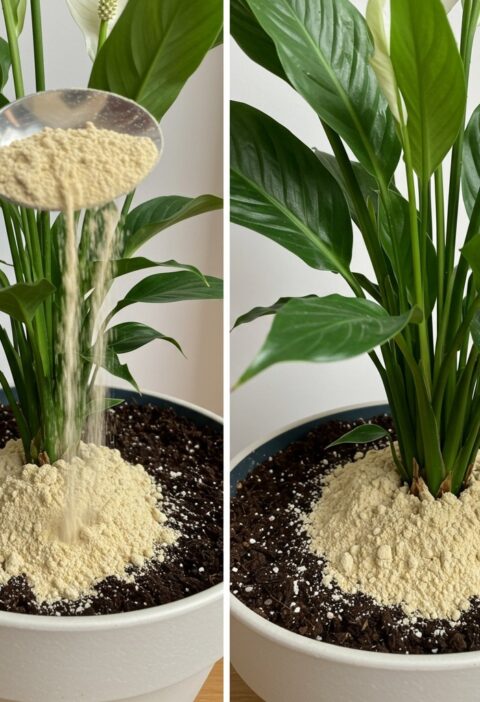
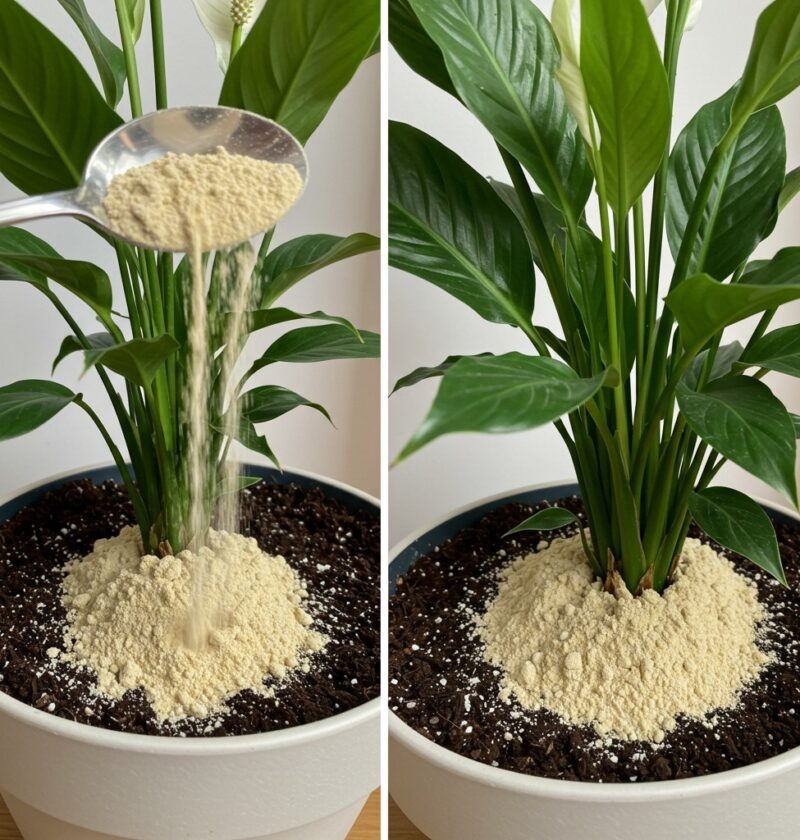
Headlines like “Peace lily: thanks to this one ingredient, it will bloom for up to 10 years in a row” are designed to sound like a secret gardening hack. In reality, no single ingredient can guarantee continuous blooming for a decade.
The Peace lily (commonly known as peace lily) is a popular indoor houseplant loved for its glossy green leaves and elegant white flowers. Its flowering ability depends on overall plant health, environmental conditions, and proper long-term care—not a miracle ingredient.
Search terms connected to this topic include:
- peace lily care indoor flowering tips
- how to make peace lily bloom again
- peace lily not flowering reasons
- best fertilizer for peace lily plant
- indoor plant care low light flowering plants
What Actually Controls Peace Lily Flowering
Peace lilies do not bloom continuously without breaks. Instead, they go through natural cycles of flowering and rest.
The main factors that influence blooming include:
- Light conditions
- Watering habits
- Soil quality
- Nutrient availability
- Pot size and root health
- Temperature and humidity
There is no evidence that a single “magic ingredient” can override these natural biological cycles.
The Real Secret: Balanced Care Instead of Magic Ingredients
Healthy flowering in peace lilies comes from consistent care. The plant responds best to stability rather than extreme treatments or overfeeding.
When all conditions are balanced, peace lilies can:
- Produce flowers multiple times per year
- Maintain healthy green leaves
- Live for many years as indoor plants
- Recover from stress and continue blooming cycles
Light: The Most Important Factor for Blooming
Peace lilies prefer bright, indirect light. Too little light is one of the most common reasons they stop flowering.
Ideal conditions:
- Near a window with filtered sunlight
- Avoid direct harsh sun (can burn leaves)
- Avoid very dark corners for long periods
Without enough light, the plant may survive but stop producing flowers.
Watering: Keeping the Right Balance
Watering mistakes are another major reason peace lilies fail to bloom.
Best watering practice:
- Keep soil slightly moist but not soggy
- Water when topsoil feels dry
- Avoid letting the plant completely dry out repeatedly
Overwatering can cause root rot, while underwatering stresses the plant and reduces flowering.
Soil and Nutrients for Healthy Growth
Peace lilies grow best in well-draining, nutrient-rich soil. Over time, nutrients in potting soil become depleted, which affects flowering.
Key nutrients needed:
- Nitrogen (leaf growth)
- Phosphorus (flower production)
- Potassium (overall plant health)
Balanced houseplant fertilizers can support blooming when used correctly.
Does Fertilizer Help Peace Lilies Bloom?
Yes—but only in moderation. Fertilizer is often misunderstood as a “miracle bloom booster,” but overuse can actually harm the plant.
Correct approach:
- Use a balanced liquid fertilizer
- Apply during growing seasons
- Avoid excessive feeding
Too much fertilizer may lead to:
- Burned roots
- Weak flowers
- Excess leaf growth instead of blooms
Temperature and Humidity Effects
Peace lilies thrive in stable indoor conditions.
Ideal environment:
- Warm temperatures
- Moderate to high humidity
- No cold drafts or sudden changes
Stress from temperature fluctuations can reduce flowering frequency.
Why Peace Lilies Stop Blooming
Common reasons include:
- Low light conditions
- Nutrient depletion
- Overwatering or underwatering
- Small or root-bound pots
- Natural resting cycle
Even healthy plants may pause blooming temporarily.
Can a Peace Lily Really Bloom for 10 Years?
Yes, peace lilies can live and bloom for many years under proper care. However:
- They do not bloom continuously year-round
- Flowering depends on conditions, not age alone
- No single ingredient guarantees long-term blooming
Long-term success comes from consistent plant care, not shortcuts.
The Myth of “One Ingredient” Plant Hacks
Many viral gardening claims suggest adding household items like:
- Sugar
- Coffee
- Milk
- Baking soda
- Aspirin
While some of these may temporarily affect soil conditions, none guarantee long-term flowering success. In some cases, they can even harm plant health if misused.
Best Practices for Healthy, Blooming Peace Lilies
To encourage regular flowering:
- Provide bright, indirect light
- Water consistently but avoid overwatering
- Use occasional balanced fertilizer
- Repot when roots become crowded
- Wipe leaves to improve photosynthesis
These combined practices are far more effective than any single “ingredient.”
Final Thoughts on Peace Lily Blooming Secrets
The idea of a single ingredient making a Peace lily bloom for up to 10 years in a row is a gardening myth. Real plant care is based on balance, patience, and environmental conditions.
When properly cared for, peace lilies are long-living indoor plants that can produce beautiful white blooms repeatedly over many years. The real secret is not a shortcut, but consistent and mindful care.
Part 2: Simple Peace Lily Care Guide
Basic Care Routine for Healthy Blooming
Light
- Bright, indirect sunlight
Watering
- Keep soil slightly moist
- Do not overwater
Feeding
- Use balanced liquid fertilizer once a month during growing season
Maintenance
- Remove yellow leaves
- Repot every 1–2 years if needed