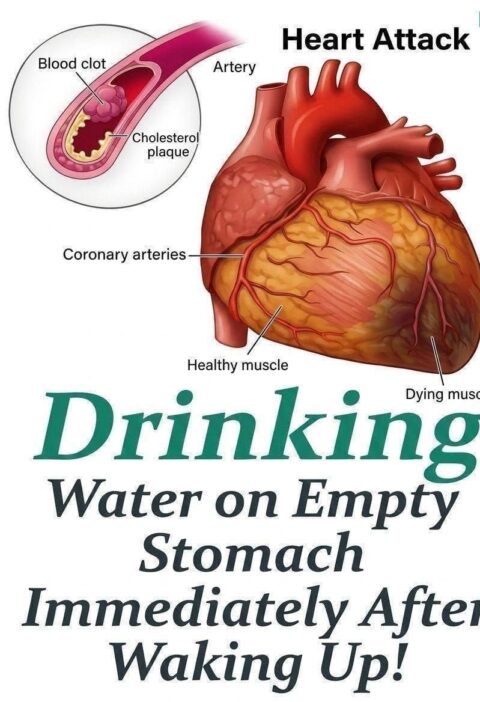
This kind of headline is usually sensationalized and missing context. Vitamin D is widely used and generally safe—but like any supplement, it can be harmful if misused.
What pharmacists/doctors actually warn about:
1. Overdose risk (real but uncommon)
Vitamin D is fat-soluble, so it builds up in the body. Taking very high doses for long periods can cause vitamin D toxicity, leading to:
- High blood calcium (hypercalcemia)
- Nausea, vomiting, constipation
- Weakness, confusion
- Kidney stones or kidney damage in severe cases
This usually happens with extremely high doses taken for weeks/months, not normal supplementation.
2. “More is better” myth
Many viral posts push high daily doses (like 10,000 IU or more) without testing. That’s not safe long-term unless medically supervised.
3. Drug and condition interactions
Vitamin D supplements may need caution in people with:
- Kidney disease
- High calcium disorders
- Certain medications (like some diuretics or anticonvulsants)
4. Lack of testing before use
A common pharmacist recommendation is: don’t guess your dose. A simple blood test (25-hydroxyvitamin D) helps determine if you even need supplements.
What is actually safe?
For most adults:
- Typical maintenance dose: 600–2000 IU/day (varies by country and doctor guidance)
- Upper limit without supervision: often around 4000 IU/day
Higher doses may be prescribed short-term for deficiency—but only under medical supervision.
Bottom line
Vitamin D is not dangerous when used correctly, but it can become harmful if:
- taken in very high doses
- combined with misinformation
- used without checking deficiency status
If you want, tell me what the post claimed exactly—I can break down whether each point is true or misleading.