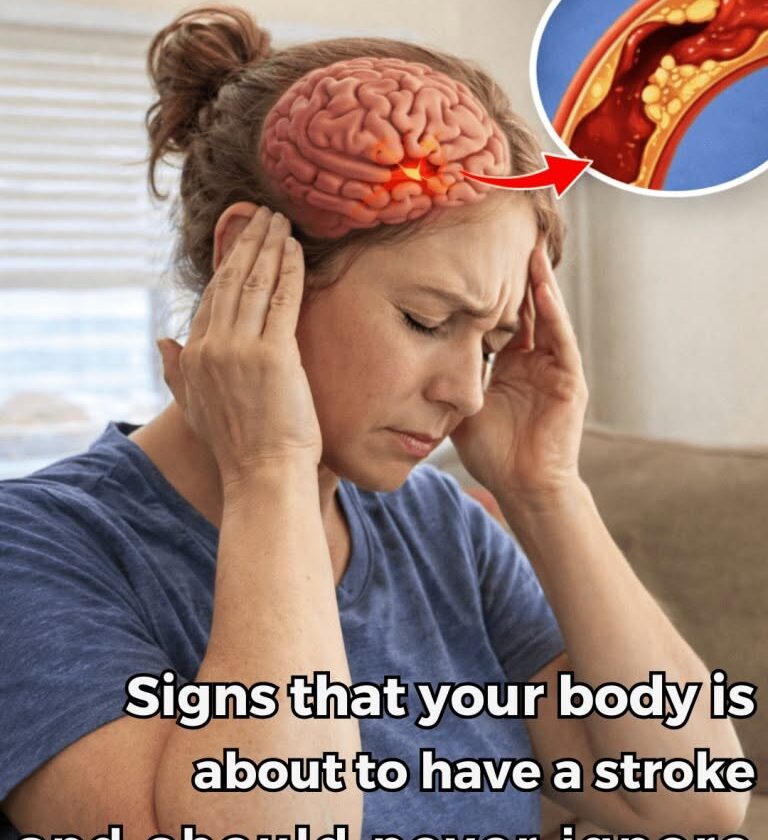
Signs That May Indicate a Stroke and Should Never Be Ignored
A stroke happens when blood flow to part of the brain is interrupted (ischemic stroke) or when a blood vessel in the brain bursts (hemorrhagic stroke). Because brain cells can be damaged quickly when they lose oxygen, recognizing warning signs and getting emergency medical help immediately can make a major difference.
A helpful way to remember common stroke warning signs is FAST:
F — Face drooping
- One side of the face may feel weak or numb.
- A person’s smile may look uneven or one side of the mouth may droop.
A — Arm weakness
- Sudden weakness, numbness, or difficulty lifting one arm.
- One arm may drift downward when both arms are raised.
S — Speech problems
- Slurred speech.
- Trouble finding words or understanding others.
- Confusion or difficulty communicating.
T — Time to call emergency services
- If these symptoms appear suddenly, seek emergency medical help right away.
Other possible stroke warning signs include:
- Sudden numbness or weakness in the face, arm, or leg, especially on one side of the body.
- Sudden confusion or difficulty understanding speech.
- Sudden vision changes, such as blurred vision, loss of vision in one or both eyes, or double vision.
- Sudden dizziness, loss of balance, or trouble walking.
- A sudden, severe headache with no known cause, especially if it is unusual or accompanied by vomiting, confusion, or neurological symptoms.
- Difficulty swallowing or sudden problems with coordination.
Transient Ischemic Attack (TIA): A Warning Sign
Sometimes stroke-like symptoms disappear after a short time. This is called a transient ischemic attack (TIA), sometimes known as a “mini-stroke.” Even if symptoms go away, a TIA can be a warning that a more serious stroke may occur soon and requires medical evaluation.
Who Has Higher Stroke Risk?
Risk increases with factors such as:
- High blood pressure
- Diabetes
- High cholesterol
- Smoking
- Heart conditions such as atrial fibrillation
- Previous stroke or TIA
- Increasing age
- Obesity and physical inactivity
- Family history of stroke
What to Do If Stroke Symptoms Appear
- Call emergency services immediately.
- Note the time symptoms started (or the last time the person was known to be well).
- Do not wait to see if symptoms improve.
- Do not give food, drink, or medication unless instructed by medical professionals.
A stroke can happen suddenly, and symptoms may be subtle at first. Quick recognition and urgent treatment can reduce the risk of severe disability and improve the chances of recovery.