Swollen Legs in Older Adults – Causes, Risk Factors, and What It May Indicate (Complete Health Guide)
Introduction: Why Leg Swelling Becomes More Common With Age
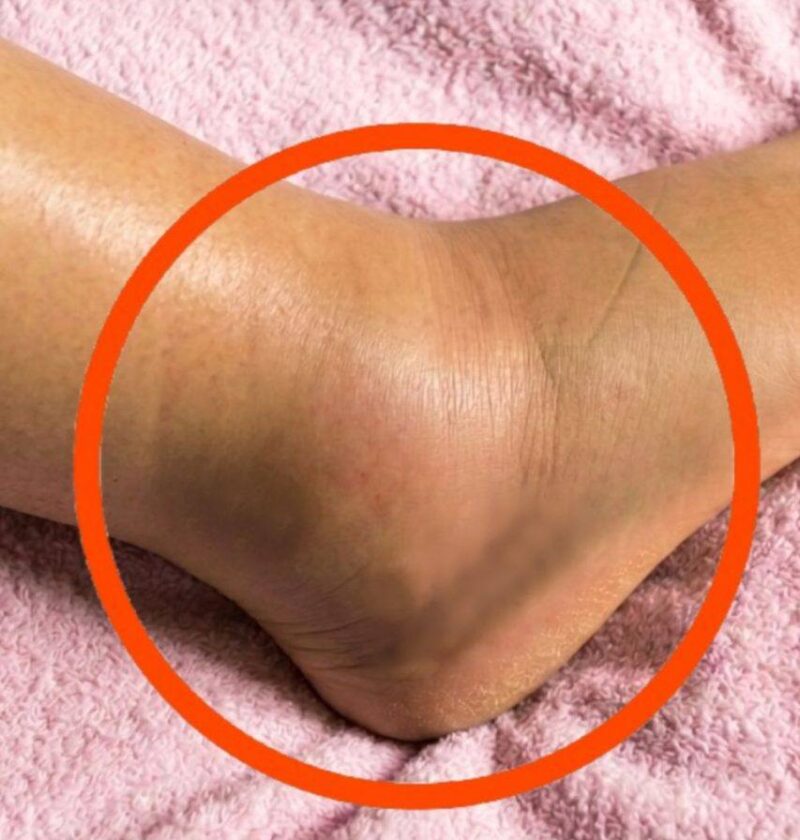
Swelling in the legs, also known as lower limb edema, is a frequent concern among older adults. It may appear as puffiness in the ankles, feet, or calves and can range from mild and occasional to persistent and uncomfortable.
While temporary swelling can occur due to lifestyle factors, repeated or long-lasting swelling in seniors may indicate changes in circulation, organ function, or medication effects.
Because leg swelling can be linked to multiple health systems, understanding the root cause is essential for proper management and prevention of complications. This guide explains the most common reasons older adults experience swollen legs and how caregivers can recognize early warning signs.
Understanding Leg Swelling (Edema) in Aging Adults
Edema refers to the accumulation of excess fluid in body tissues, most commonly in the lower extremities due to gravity.
In healthy circulation, blood and fluids move efficiently through veins and lymphatic channels. However, as the body ages, this system may weaken, leading to fluid pooling in the legs and feet.
Key characteristics of leg swelling may include:
- Puffiness in ankles or feet
- Tight or stretched skin
- Heaviness in the legs
- Shoes feeling tighter than usual
- Swelling that worsens throughout the day
1. Age-Related Circulation Changes and Venous Weakness
One of the leading causes of swollen legs in seniors is reduced blood circulation efficiency.
What happens in the body?
With age, veins gradually lose elasticity. The valves inside veins, which normally help push blood back toward the heart, may become weaker or less effective. As a result, blood tends to pool in the lower legs.
Why gravity matters
Because the legs are the lowest part of the body, gravity naturally pulls fluids downward. When circulation is slow, fluid accumulates more easily in the ankles and feet, especially after:
- Long hours of sitting
- Prolonged standing
- Limited physical activity
Common symptoms linked to poor circulation
- Swelling in both legs, especially at the end of the day
- Aching or heaviness in the lower limbs
- Visible veins or mild varicose veins
- Reduced comfort while walking
Key insight
This condition is often related to chronic venous insufficiency, a common issue in older adults that requires lifestyle management and sometimes medical treatment.
2. Fluid Retention (Edema) Due to Internal Organ Imbalance
Another major reason for swollen legs in elderly individuals is fluid imbalance in the body, medically known as edema.
How fluid imbalance develops
The body relies on organs such as the heart, kidneys, and liver to regulate fluid levels. When any of these organs are not functioning efficiently, excess fluid may remain in tissues instead of being properly removed.
Health conditions commonly associated with edema
- Heart-related conditions affecting pumping efficiency
- Kidney disorders affecting fluid filtration
- Liver conditions impacting protein balance and fluid regulation
What it looks like
- Swelling that appears in both legs
- Puffiness that worsens over time
- Skin that may feel tight or shiny
- Weight fluctuations due to fluid buildup
Important understanding
Edema is not a disease itself but a symptom of an underlying health issue, and it should be evaluated if persistent.
3. Medication-Related Swelling in Seniors
Many older adults take multiple medications, and some drugs can contribute to fluid retention as a side effect.
How medications cause swelling
Certain medicines may affect:
- Blood vessel function
- Kidney fluid balance
- Hormonal regulation of sodium and water
When this balance is disrupted, the body may retain more fluid than usual.
Common medication categories linked to swelling
- Blood pressure medications (some calcium channel blockers)
- Steroid-based medications
- Nonsteroidal anti-inflammatory drugs (NSAIDs)
- Hormone-related treatments
Symptoms to watch for
- Swelling that begins after starting a new medication
- Gradual puffiness in feet or ankles
- No obvious injury or physical cause
Key point
If swelling appears after a prescription change, medical consultation is important before stopping any medication.
4. Limited Mobility and Sedentary Lifestyle Effects
Reduced movement is another major factor contributing to leg swelling in older adults.
Why inactivity causes swelling
Muscle activity in the legs acts like a pump, helping blood return to the heart. When movement is limited:
- Blood flow slows down
- Fluid accumulates in lower limbs
- Circulation becomes less efficient
Common situations that worsen swelling
- Sitting for long periods while watching TV
- Long-distance travel or immobility
- Bed rest due to illness or recovery
Symptoms
- Swelling that improves after walking or elevation
- Mild discomfort or stiffness
- Heaviness in legs after inactivity
Helpful insight
Even light movement such as short walks or ankle exercises can improve circulation significantly.
5. When Swollen Legs May Signal a Serious Condition
While many cases are mild, some situations require urgent attention.
Seek medical help if:
- Swelling occurs suddenly and only in one leg
- There is pain, redness, or warmth in the swollen area
- Swelling is accompanied by shortness of breath
- There is chest discomfort or dizziness
- Swelling worsens rapidly without explanation
These may indicate conditions such as blood clots or heart-related complications.
6. Lifestyle and Environmental Factors That Can Worsen Swelling
Several everyday habits can contribute to fluid buildup:
- High salt intake leading to water retention
- Dehydration affecting fluid balance
- Hot weather causing vessel dilation
- Poor posture during sitting or standing
Making small lifestyle adjustments can help reduce discomfort over time.
Medical Disclaimer
This content is for educational purposes only and does not replace professional medical advice. Persistent or severe swelling should always be evaluated by a qualified healthcare provider.
Sources (Trusted Medical References)
- Mayo Clinic – Edema and leg swelling information
- Cleveland Clinic – Chronic venous insufficiency and circulation health
- National Health Service (NHS) UK – Swollen ankles and legs guidance
- American Heart Association – Heart-related fluid retention overview
- MedlinePlus (NIH) – Kidney and liver-related edema conditions
Part 2: Simple Daily Care Guide for Swollen Legs (Easy Home Support Method)
Basic Daily Routine for Relief
What to do:
- Elevate legs above heart level for 15–20 minutes daily
- Take short walks to improve circulation
- Avoid sitting or standing for long uninterrupted periods
- Wear comfortable, non-restrictive footwear
Helpful Lifestyle Tips
- Reduce excessive salt in meals
- Stay hydrated throughout the day
- Do gentle ankle rotations while sitting
- Use light leg massage to encourage blood flow
When to Consult a Doctor
Seek medical advice if:
- Swelling does not improve with rest
- Pain or redness develops
- Only one leg is affected
- Symptoms appear suddenly