The Best Homemade Weed Killer: No Poison Options and What Really Works
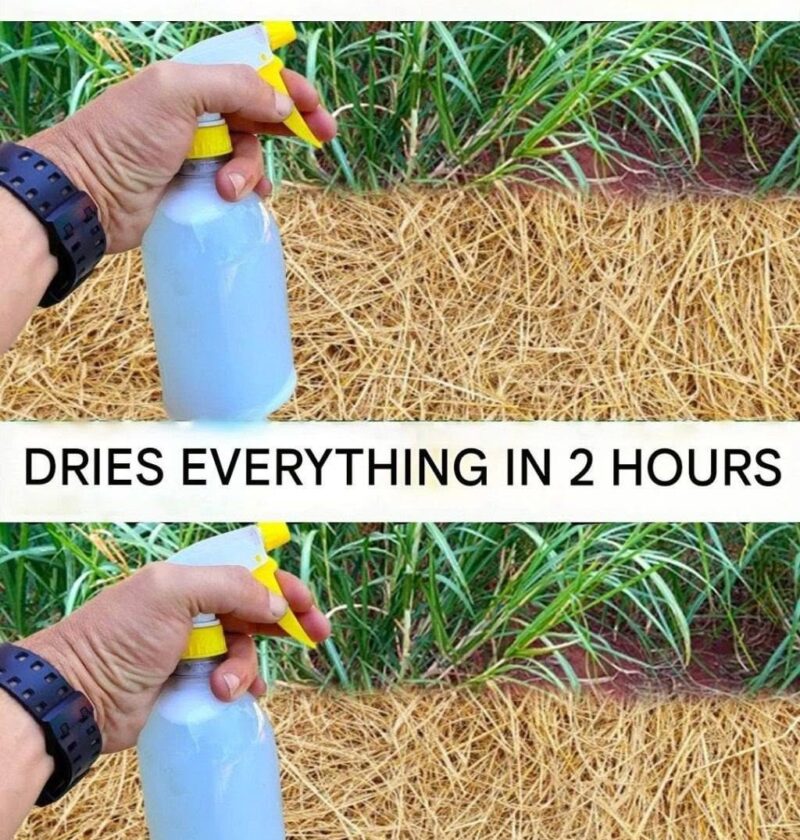
Many people look for a homemade weed killer to avoid harsh chemicals. A popular DIY method uses household ingredients, but it is important to know that “kills weeds in 2 hours” claims are often exaggerated. Some mixtures can make leaves look damaged quickly, but they may not kill the roots, meaning weeds can grow back.
A Simple Homemade Weed Control Spray
Vinegar-based spray
A common DIY option is:
- White vinegar
- A small amount of dish soap (to help the liquid stick to leaves)
How it works
- Vinegar’s acidity can damage the leaves and dry out the plant tissue.
- Dish soap helps the solution coat the leaf surface.
Best way to use it
- Spray directly onto weed leaves on a dry, sunny day.
- Avoid spraying desirable plants, grass, flowers, or vegetables.
- Apply carefully because vinegar can damage many plants, not just weeds.
Other Natural Ways to Control Weeds
1. Pull weeds after watering
Moist soil makes it easier to remove weeds with their roots.
2. Use mulch
A layer of:
- Wood chips
- Straw
- Leaves
- Compost
can block sunlight and reduce new weed growth.
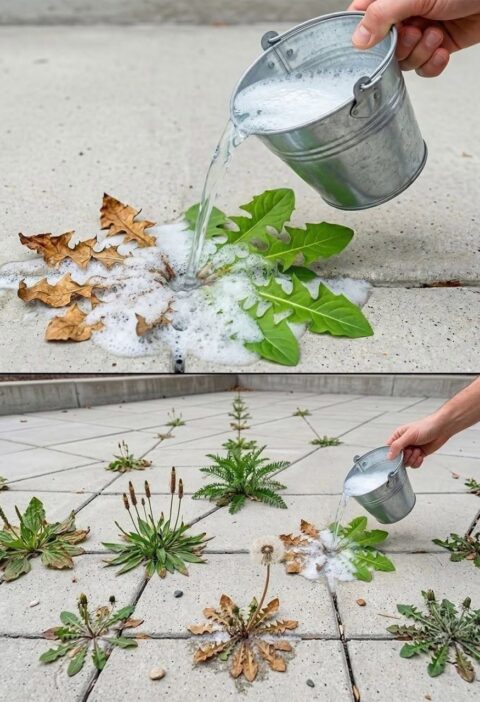
3. Pour boiling water on cracks and pathways
This can kill weeds growing between:
- Patio stones
- Driveway cracks
- Sidewalk edges
Use caution to avoid nearby plants.
4. Block sunlight
Cover unwanted weed areas with:
- Cardboard
- Landscape fabric
- Mulch
This can weaken weeds over time.
Important Safety Tips
- Avoid using strong vinegar solutions near lawns and garden plants.
- Do not mix vinegar with bleach or other cleaners.
- Homemade sprays are usually non-selective, meaning they can harm plants you want to keep.
For long-term weed control, the most effective approach is usually a combination of removing existing weeds + preventing new growth with mulch or ground cover.