Shower Habits, Stroke Risk, and Senior Health – Separating Facts From Fear-Based Claims
Can a Shower Habit Really Cause a Stroke Overnight?
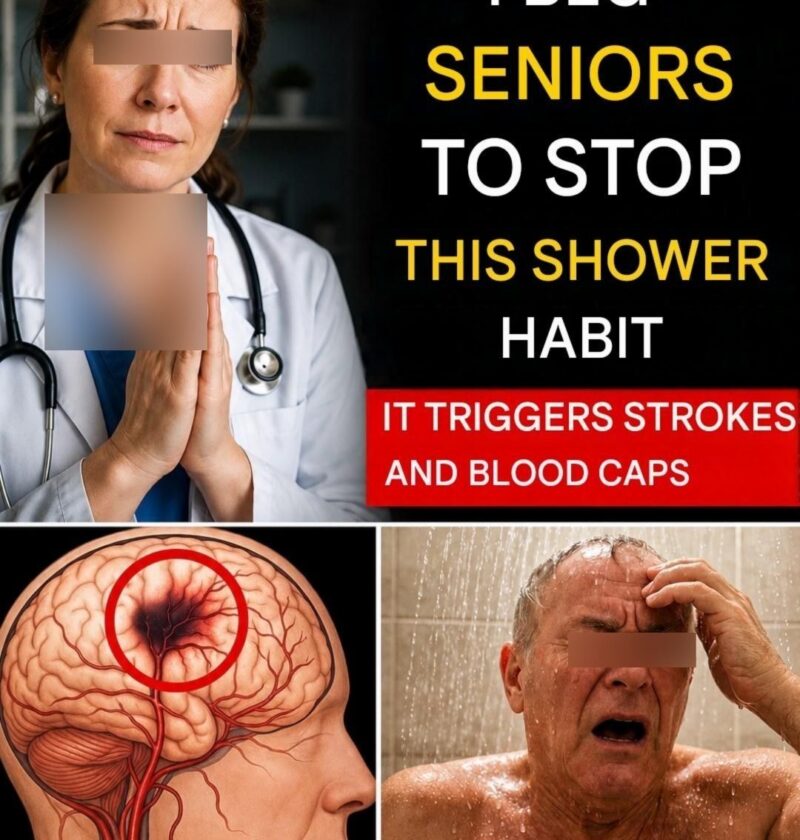
You may come across headlines claiming that a specific shower habit dramatically increases the risk of stroke overnight. These statements are often exaggerated and can be misleading.
A stroke is a serious medical emergency that occurs when blood flow to part of the brain is interrupted or when a blood vessel in the brain ruptures. Major risk factors include high blood pressure, diabetes, smoking, heart disease, high cholesterol, and advancing age—not a single shower habit.
However, certain bathing practices may cause temporary changes in blood pressure, circulation, or balance, which can be more noticeable in older adults.
Understanding Stroke Risk in Seniors
One of the most common forms is Ischemic Stroke.
Risk factors include:
- High blood pressure
- Diabetes
- Smoking
- Obesity
- Physical inactivity
- Atrial fibrillation
- High cholesterol
- Family history
- Advanced age
These factors have far stronger scientific support than claims about a single daily habit.
Why Showering Can Affect the Body
A shower can influence:
- Body temperature
- Blood vessel dilation or constriction
- Heart rate
- Blood pressure
Most healthy people adapt to these changes easily. Seniors and people with cardiovascular conditions may be more sensitive.
1. Extremely Hot Showers May Cause Sudden Blood Pressure Changes
Very hot water can cause blood vessels to widen (dilate), which may temporarily lower blood pressure.
This can lead to:
- Dizziness
- Lightheadedness
- Feeling weak after standing
For older adults, this may increase the risk of falls rather than directly causing a stroke.
2. Sudden Exposure to Very Cold Water
Cold water can cause blood vessels to constrict and may temporarily increase blood pressure.
In susceptible individuals, especially those with heart disease, sudden temperature extremes can place additional stress on the cardiovascular system.
Moderate water temperatures are generally safer.
3. Standing Too Quickly After a Hot Shower
Some seniors experience a temporary drop in blood pressure when standing.
This may cause:
- Dizziness
- Loss of balance
- Increased fall risk
Falls themselves can lead to serious injuries.
4. Showering When Dehydrated
Dehydration can contribute to:
- Lower blood pressure
- Dizziness
- Weakness
Staying adequately hydrated supports overall circulation and cardiovascular health.
5. Slippery Bathroom Conditions
While not related to stroke risk, bathroom falls are a significant concern among older adults.
Helpful precautions include:
- Non-slip mats
- Grab bars
- Adequate lighting
- Shower chairs when needed
The Myth About “Nighttime Stroke” From Showering
There is no strong evidence that taking a normal shower at night directly causes strokes in healthy individuals.
Most strokes are linked to long-term vascular risk factors rather than routine bathing habits.
However, people with severe cardiovascular disease should follow individualized advice from their healthcare providers regarding temperature exposure and physical activity.
Proven Ways to Reduce Stroke Risk
Evidence-based strategies include:
Control Blood Pressure
High blood pressure remains the leading modifiable stroke risk factor.
Stay Physically Active
Regular movement supports heart and blood vessel health.
Manage Diabetes
Good blood sugar control helps protect blood vessels.
Avoid Smoking
Smoking significantly increases stroke risk.
Eat a Heart-Healthy Diet
Focus on:
- Vegetables
- Fruits
- Whole grains
- Lean proteins
- Healthy fats
Warning Signs of Stroke: Act Fast
Recognizing stroke symptoms quickly can save lives.
Common signs include:
- Sudden facial drooping
- Arm weakness
- Difficulty speaking
- Sudden confusion
- Vision changes
- Severe unexplained headache
If stroke symptoms occur, seek emergency medical attention immediately.
Final Thoughts
There is no evidence that a normal shower habit alone causes strokes overnight. However, very hot or very cold showers, dehydration, and sudden changes in posture may temporarily affect blood pressure and increase discomfort or fall risk in some seniors.
The most effective way to reduce stroke risk is by managing proven risk factors such as blood pressure, diabetes, smoking, cholesterol levels, and physical inactivity.
Sources
- American Stroke Association
- Centers for Disease Control and Prevention
- National Institute of Neurological Disorders and Stroke
- World Stroke Organization
Part 2: Safe Shower Tips for Seniors
Before Showering
- Stay hydrated.
- Ensure the bathroom is well lit.
- Use non-slip mats if needed.
During the Shower
- Use warm, comfortable water instead of extreme temperatures.
- Move carefully and avoid sudden position changes.
- Hold grab bars if balance is a concern.
After Showering
- Dry off slowly.
- Stand up gradually.
- Sit briefly if feeling dizzy.
Key Reminder
The greatest stroke prevention strategies are controlling blood pressure, staying active, eating a balanced diet, and attending regular medical checkups—not avoiding normal showers.