The Difference Between Green Onions, Scallions, Spring Onions, and Chives Explained
These names are often used interchangeably, but they usually refer to different members of the onion family with differences in size, flavor, and how they are used.
1. Green Onions
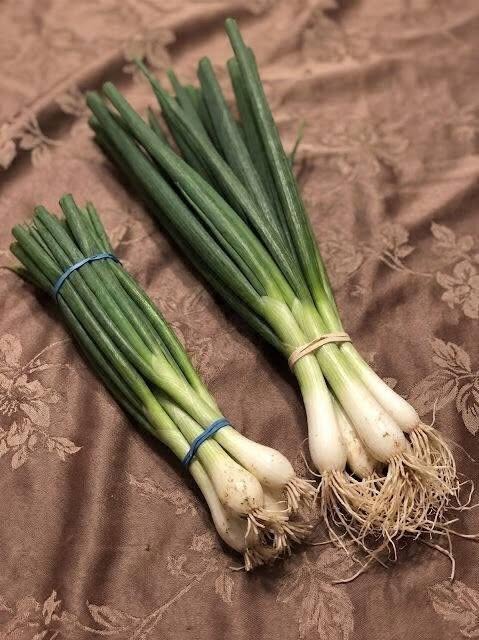
Green onions are young onions harvested before the bulb fully develops. They have:
- A small white base
- Long green stalks
- A mild onion flavor
They can be eaten raw or cooked and are commonly used in:
- Stir-fries
- Soups
- Tacos
- Garnishes
- Salads
In many places, “green onion” and “scallion” mean the same thing.
2. Scallions
Scallions are essentially the same as many green onions: young onions with very little or no bulb formation.
Characteristics:
- Thin white base
- Long hollow green leaves
- Mild, fresh onion taste
They are popular in:
- Asian cooking
- Dips
- Noodles
- Rice dishes
- Toppings
Note: In some regions, the terms scallion and green onion are completely interchangeable.
3. Spring Onions
Spring onions are more mature than typical green onions or scallions.
They have:
- A noticeable round bulb at the bottom
- Thicker green leaves
- A stronger onion flavor
Because they are older, both the bulb and greens are flavorful. They work well in:
- Roasted dishes
- Grilled vegetables
- Salads
- Sauces
Their flavor is closer to a mature onion but still milder.
4. Chives
Chives are a different plant species in the onion family.
They are:
- Much thinner
- Grass-like
- Usually all green with no large white base
- Mild with a delicate onion flavor
Chives are often added at the end of cooking because heat can reduce their fresh flavor