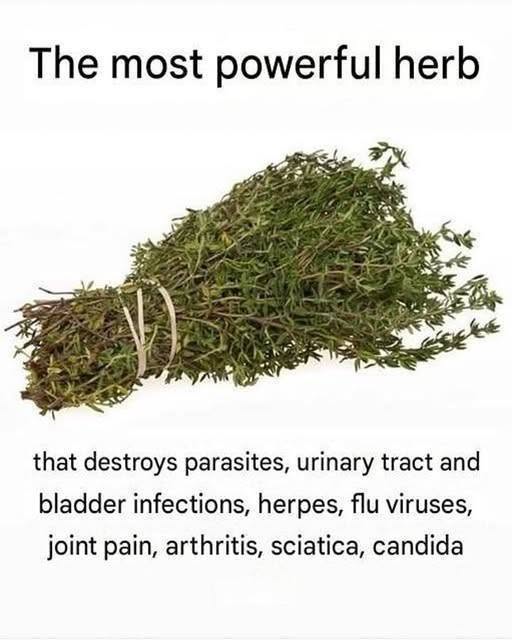
There is no single “most potent herb” that reliably destroys parasites and treats urinary tract problems. Those are different conditions, and both can become serious if you rely only on herbs.
That said, here are the most evidence-supported traditional herbs and natural agents, separated clearly:
🪱 For intestinal parasites (supportive, not a guaranteed cure)
These are the strongest commonly studied options:
- Artemisia absinthium (wormwood)
Traditionally used against worms; some antiparasitic compounds, but can be toxic in high doses. - Juglans nigra (black walnut hull)
Often used in herbal “parasite cleanses,” limited scientific evidence. - Syzygium aromaticum (clove)
May help target parasite eggs in combination formulas. - Allium sativum (garlic)
Mild broad antimicrobial effects; supportive only.
👉 Important: Real parasitic infections usually require diagnosis + prescription antiparasitic drugs, not herbs alone.
🚰 For urinary tract infections (UTIs)
Herbs here are mostly supportive or preventive, not curative for active infection:
- Vaccinium macrocarpon (cranberry)
Helps prevent bacteria from sticking to urinary tract walls. - D-mannose (natural sugar supplement)
Helps flush E. coli in recurrent UTIs. - Arctostaphylos uva-ursi (uva ursi / bearberry)
Traditional urinary antiseptic, but should not be used long-term. - Zea mays (corn silk)
Mild soothing diuretic effect.
⚠️ Very important reality check
- A true UTI with burning, fever, or back pain needs medical treatment (often antibiotics).
- “Parasite cleanses” sold online are often overstated or misleading.
- Herbs can support health but do not replace proper diagnosis.
✔️ Best practical approach
- If symptoms are present → get urine test or stool test
- Use herbs only as support, not as sole treatment
- Avoid mixing strong herbs without guidance (some can harm liver or kidneys)
If you want, tell me your exact symptoms (digestive, urinary, duration), and I can help you figure out what’s most likely going on and what’s actually safe to do next.