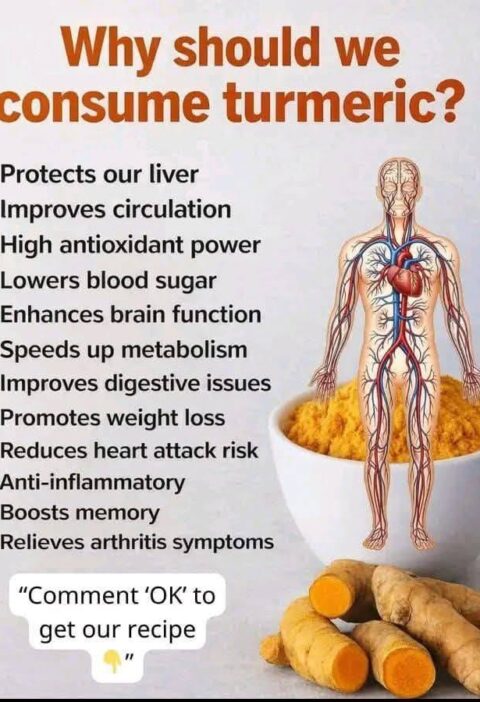
Be very skeptical of claims like “an oncologist announced that this drink kills cancer cells and helps treat gastritis, diabetes, and liver disease.”
A single drink that treats multiple unrelated diseases is a common hallmark of misleading health content.
What the evidence says
- Cancer: No food or drink has been proven to “kill cancer cells” in the body as a standalone treatment. While some foods contain compounds that can affect cancer cells in laboratory experiments, that is very different from treating cancer in humans.
- Gastritis: Treatment depends on the cause, such as infection with Helicobacter pylori, certain medications, alcohol use, or autoimmune conditions.
- Diabetes: Managing Type 2 Diabetes typically involves diet, physical activity, weight management, and sometimes medication.
- Liver disease: There are many causes, including fatty liver disease, viral hepatitis, alcohol-related disease, and autoimmune disorders. Treatment depends on the specific condition.
Why these claims spread
Videos and articles often:
- Cite an unnamed “doctor” or “oncologist.”
- Use dramatic language such as “cure,” “secret,” or “doctors don’t want you to know.”
- Mix real nutritional facts with unsupported medical claims.
- Exaggerate findings from laboratory or animal studies.
What foods and drinks can do
A healthy diet can support overall health and may reduce the risk of some diseases. For example:
- Fruits and vegetables provide fiber and antioxidants.
- Coffee has been associated with some liver health benefits in research.
- Unsweetened tea may have health benefits.
However, none of these replace evidence-based medical treatment.
If you tell me what the drink is (for example, turmeric, lemon water, aloe vera, beet juice, soursop tea, etc.), I can explain what research actually shows about it and whether any of the claims are supported.