The Science Behind “Old Person Smell”: What Causes It as We Age—and Simple Ways to Reduce It
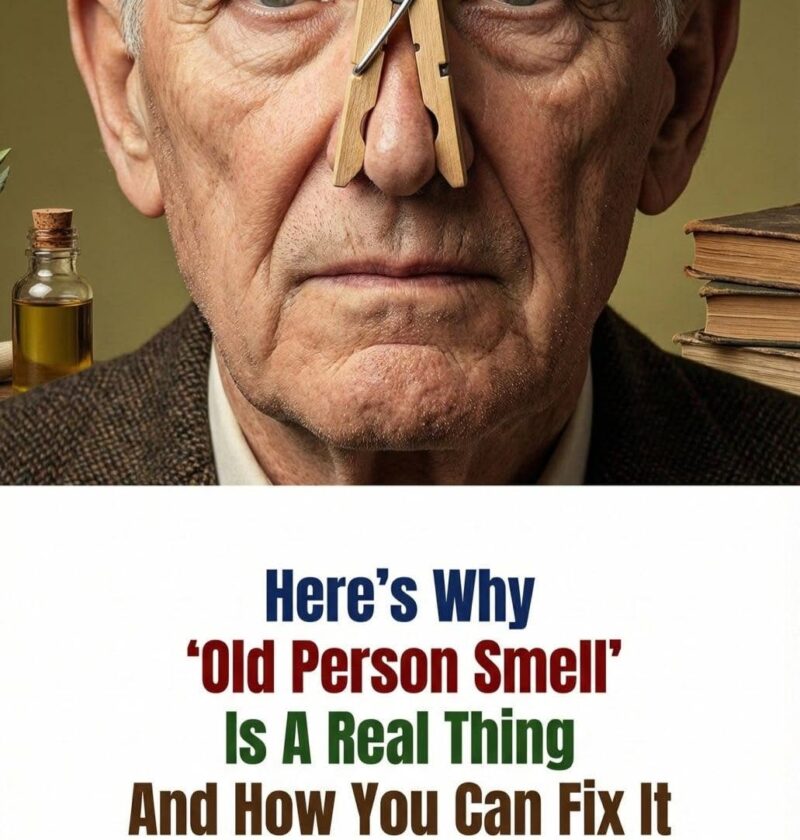
The phrase “old person smell” is a common way people describe a particular odor that some notice in older adults. It is not caused by being “unclean” or by aging itself being unpleasant. The smell is linked to natural changes in the skin, body chemistry, and daily habits that can happen with age.
What causes this change in body odor?
1. Changes in skin chemistry
As people age, the skin produces different amounts of oils and may become drier. One compound often associated with age-related odor is 2-nonenal, which forms when certain fatty acids in skin oils break down through oxidation.
2-nonenal has been described as having a grassy, musty, or waxy odor and can become more noticeable with age.
2. Slower skin renewal
Older skin may shed and renew itself more slowly, which can affect how oils, sweat, and bacteria interact on the skin’s surface.
3. Changes in sweat and hormones
Hormonal changes can influence:
- sweat production,
- skin oil composition,
- the types of bacteria living on the skin.
4. Lifestyle and health factors
Odor can also be affected by:
- medications,
- diet,
- reduced activity,
- limited mobility,
- difficulty with bathing or laundry,
- certain medical conditions.
Simple ways to reduce age-related odor
Maintain gentle skin care
- Bathe regularly using mild soap or cleanser.
- Avoid harsh products that dry out the skin.
- Moisturize dry areas to support the skin barrier