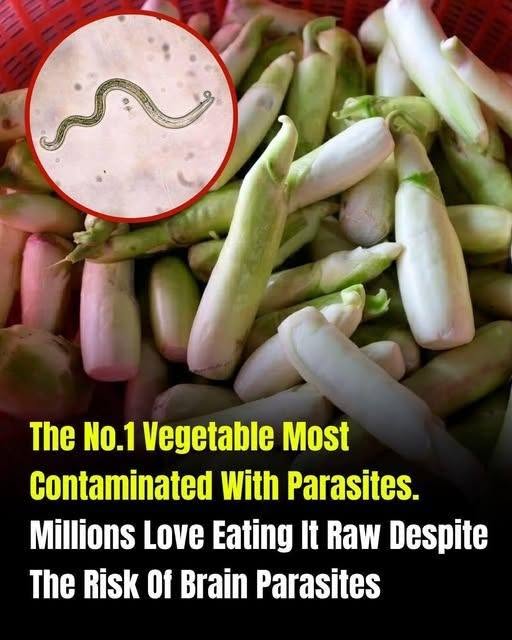
The headline “The Vegetable Most Likely To Carry Parasites Is Also One Many People Love Eating Raw” is usually referring to lettuce, especially leafy greens such as romaine lettuce.
Leafy vegetables can be associated with parasites and other microbes because they:
- Grow close to the soil, where contamination from animal or human waste can occur.
- Have many folds and rough surfaces where organisms can cling.
- Are often eaten raw, meaning there is no cooking step to kill pathogens.
One parasite often discussed in connection with raw produce is Cyclospora cayetanensis, which can contaminate fresh fruits and vegetables and cause intestinal illness. Other organisms, including certain strains of E. coli and Salmonella, are also concerns with contaminated leafy greens.
To reduce risk when eating raw vegetables:
- Rinse leaves thoroughly under running water.
- Remove damaged outer leaves.
- Wash hands, cutting boards, and utensils before preparation.
- Keep raw produce refrigerated.
- Be extra cautious with pre-cut or bagged greens; follow package washing instructions.
However, it’s worth noting that no vegetable is inherently “full of parasites”—risk depends on growing conditions, handling, washing, and food safety practices. Raw vegetables can be part of a healthy diet when properly handled.