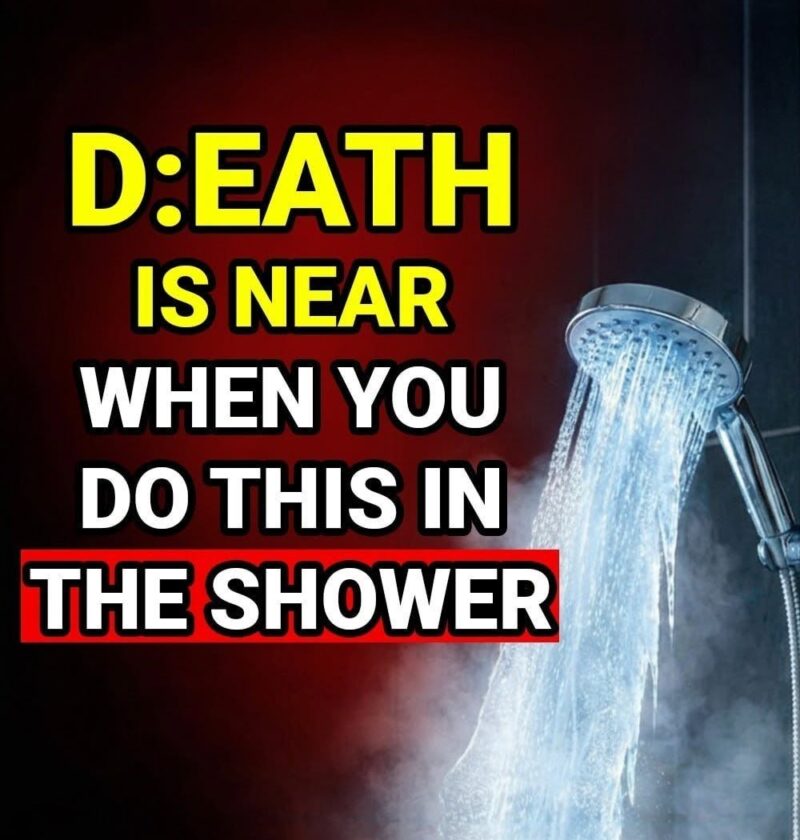
That kind of headline is almost always fear-based clickbait, not a medically accurate warning.
There is no evidence that normal shower habits directly cause heart attacks or strokes over time. What is true is that certain extreme situations involving hot or cold water can temporarily stress the cardiovascular system—but that’s very different from “causing disease over time.”
Conditions like Myocardial infarction (heart attack) and Stroke develop mainly from long-term factors such as high blood pressure, smoking, diabetes, high cholesterol, and genetics—not shower routines.
What showers can realistically affect
1. Very hot showers
- Can temporarily lower blood pressure
- May cause dizziness or fainting in some people
- Risk is higher in older adults or people with heart disease
2. Very cold showers
- Can briefly raise heart rate and blood pressure
- Sudden cold exposure may be stressful for people with known heart conditions
3. Standing too long in hot water
- Can cause lightheadedness due to blood vessel dilation
Who should be a bit more careful
- People with known heart disease
- Older adults with low blood pressure
- People prone to fainting
But even in these groups, the issue is temporary reactions, not long-term damage from “shower habits.”
What actually prevents heart attacks and strokes
Much stronger, proven factors include:
- Controlling blood pressure
- Managing blood sugar
- Not smoking
- Regular exercise
- Healthy diet
- Reducing chronic stress
Bottom line
- Showers do not cause heart attacks or strokes over time
- Extreme temperatures can cause short-term strain in vulnerable people
- Viral posts exaggerate normal physiological reactions into scary claims
If you want, I can break down which “health warnings” online are usually fake or misleading so you can quickly spot them.