Water Retention: What Causes It and How to Reduce It
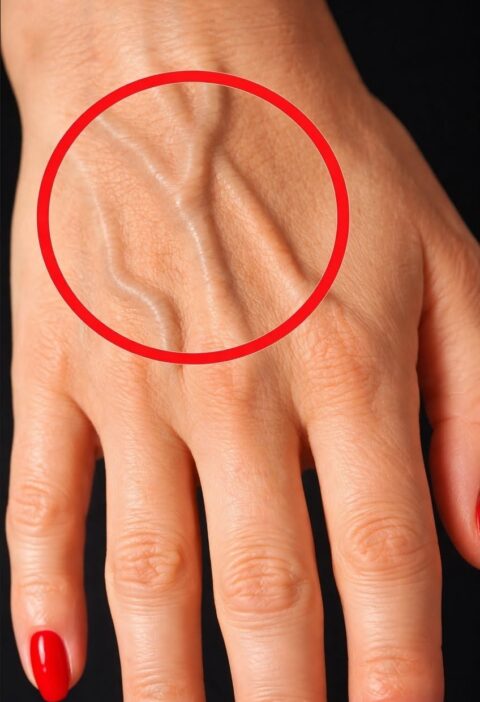
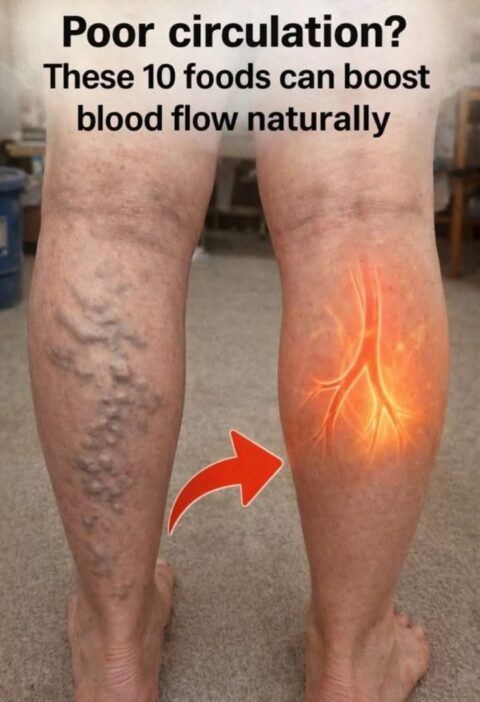
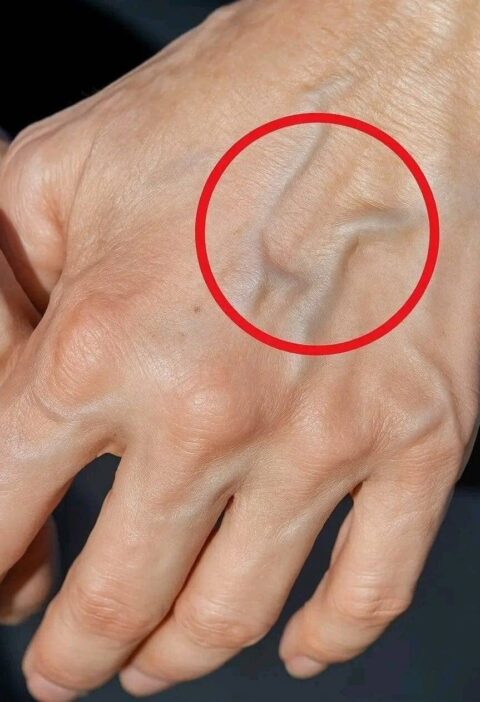
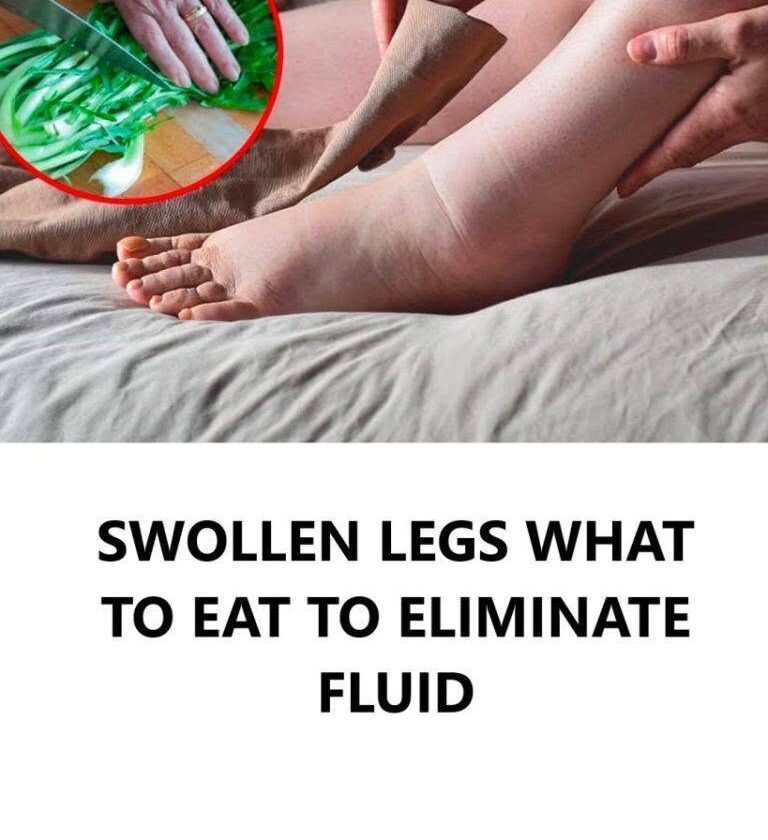
Water retention (edema) occurs when excess fluid builds up in the body’s tissues. It can cause swelling, puffiness, or a feeling of heaviness, commonly affecting the feet, ankles, legs, hands, or abdomen.
Common Causes
1. High Salt Intake
Eating a lot of sodium causes the body to hold onto more water to maintain fluid balance.
2. Sitting or Standing for Long Periods
Remaining in one position for hours can allow fluid to accumulate in the lower legs and feet.
3. Hormonal Changes
Hormonal fluctuations during menstruation, pregnancy, or menopause can contribute to temporary fluid retention.
4. Certain Medications
Some medications can cause swelling, including:
- Certain blood pressure medicines
- Steroids
- Some anti-inflammatory drugs
- Some diabetes medications
5. Hot Weather
Heat can make blood vessels expand, allowing more fluid to move into surrounding tissues.
6. Medical Conditions
Persistent or significant edema can be associated with conditions affecting the:
- Heart
- Kidneys
- Liver
- Lymphatic system
- Thyroid
Ways to Reduce Mild Water Retention
Stay Active
Walking and regular movement help improve circulation and encourage fluid to return to the bloodstream.
Reduce Excess Sodium
Limiting highly processed foods and excess salt can help reduce fluid retention.
Stay Hydrated
Drinking enough water helps the body regulate fluid balance more effectively.
Elevate Swollen Limbs
Raising the legs above heart level for short periods can help reduce ankle and leg swelling.
Eat Potassium-Rich Foods
Foods such as:
- Banana
- Sweet potato
- Avocado
- Spinach
can help maintain a healthy fluid balance.
Compression Stockings
For some people with leg swelling, compression garments may improve circulation.
When to Seek Medical Attention
Contact a healthcare professional promptly if:
- Swelling appears suddenly.
- One leg is much more swollen than the other.
- Swelling is accompanied by chest pain or shortness of breath.
- You have known heart, kidney, or liver disease.
- The swelling persists or worsens.