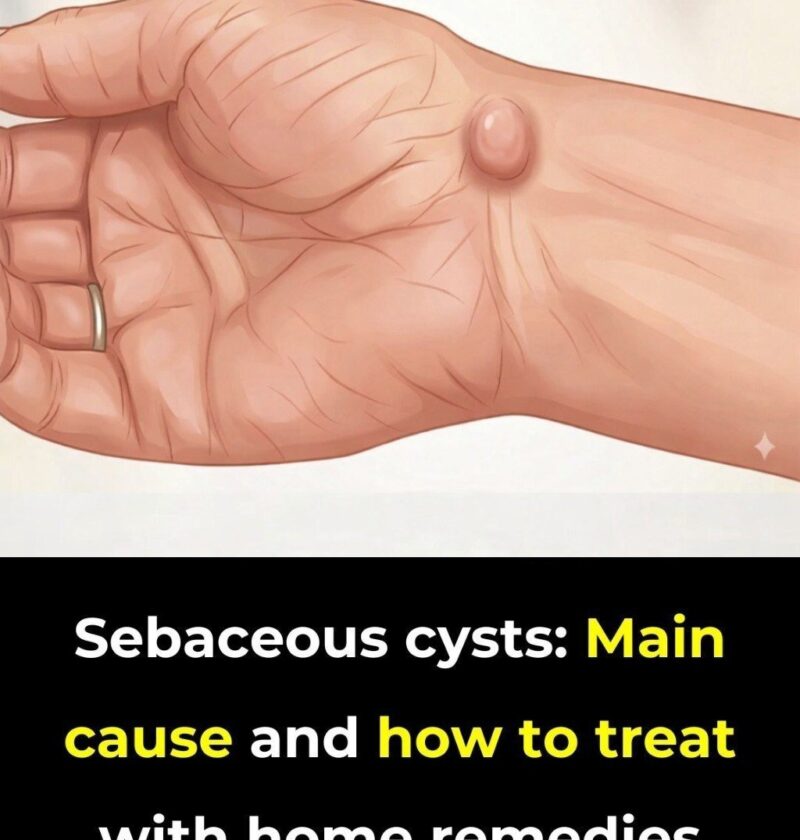
Part 1: Sebaceous Cysts Explained – Causes, Development, and Realistic Home Care Options
What Is a Sebaceous Cyst?
What many people call a “sebaceous cyst” is most often a skin cyst formed when a hair follicle or skin gland becomes blocked, leading to a slow buildup of keratin (a natural skin protein) under the skin.
In medical terms, most of these are actually epidermoid cysts, not true sebaceous gland cysts.
They are usually:
- Small, round lumps under the skin
- Slow-growing
- Painless unless infected or inflamed
- Filled with thick, white or yellowish material
What Causes Sebaceous (Epidermoid) Cysts?
These cysts develop when skin cells multiply abnormally or get trapped under the skin instead of shedding normally.
1. Blocked Hair Follicles
One of the most common causes is blockage of a hair follicle, which traps keratin beneath the skin.
2. Skin Injury or Trauma
Even minor skin damage such as:
- Cuts
- Scratches
- Acne lesions
can sometimes lead to cyst formation.
3. Genetic Factors
Some people are more prone to developing cysts due to inherited tendencies.
4. Hormonal Activity
Hormonal changes may increase oil production and skin cell turnover, contributing to blockages.
5. Acne or Oily Skin
People with oily or acne-prone skin may have a higher risk of developing cyst-like lumps.
Common Symptoms
A typical epidermoid cyst may appear as:
- A small, round bump under the skin
- Slow-growing lump
- Sometimes a visible central “blackhead-like” opening
- Tenderness if inflamed
If infected, it may become red, painful, or swollen.
Important Medical Note
A condition often confused with cysts is a skin-related lump such as:
Sebaceous Cyst
Most are harmless, but any rapidly growing, painful, or changing lump should be checked by a healthcare professional.
Can You Treat Sebaceous Cysts Naturally at Home?
Important Reality First
There is no proven natural method that can completely remove a cyst from the skin. The cyst wall remains under the skin until medically removed.
However, home care may help:
- Reduce discomfort
- Prevent infection
- Calm inflammation
Safe Home Care Methods
1. Warm Compress
Applying warmth can help improve circulation and may soften the cyst.
How to use:
- Soak a clean cloth in warm water
- Apply for 10–15 minutes
- Repeat 2–3 times daily
2. Keep the Area Clean
Gentle cleansing helps prevent infection.
- Use mild soap
- Avoid harsh scrubbing
- Keep the area dry
3. Avoid Squeezing or Popping
This is very important. Popping a cyst can lead to:
- Infection
- Scarring
- Recurrence
- Inflammation
4. Natural Soothing Agents (Supportive Only)
Some people use mild topical remedies for comfort, such as:
- Aloe vera gel for soothing skin
- Tea tree oil (diluted) for antimicrobial support
These do not remove the cyst but may reduce irritation.
5. Reduce Skin Irritation
- Avoid tight clothing over the area
- Reduce friction
- Avoid oily or heavy skin products on the lump
Medical Treatment Options
If the cyst is bothersome, doctors may recommend:
- Drainage (for infected cysts)
- Steroid injection (to reduce inflammation)
- Surgical removal (definitive treatment)
Complete removal of the cyst wall is the only way to prevent recurrence.
When You Should See a Doctor
Seek medical attention if:
- The cyst becomes painful or red
- It grows quickly
- It drains foul-smelling material
- You have frequent recurring cysts
- It is located in a sensitive area
Final Thoughts
Sebaceous (epidermoid) cysts are usually harmless skin growths caused by blocked follicles or trapped skin cells. While home care can help manage symptoms, it cannot fully remove the cyst.
The most effective long-term solution is medical evaluation and, if needed, minor surgical removal.
Sources
- Mayo Clinic
- American Academy of Dermatology
- NHS
- Cleveland Clinic
Part 2: Simple Home Care Routine for a Skin Cyst
Morning & Evening Care
- Clean the area gently with mild soap
- Apply warm compress for 10–15 minutes
- Keep skin dry and clean
What to Avoid
- Do NOT squeeze or pop the cyst
- Avoid harsh chemicals or scrubs
- Avoid tight pressure on the area
Support Tips
- Wear loose clothing
- Monitor for redness or pain
- Seek medical advice if changes occur
Reminder
Home care can support comfort, but only medical removal can fully eliminate a sebaceous (epidermoid) cyst permanently.