Urine Color as a Health Indicator
Urine color is one of the simplest yet most powerful indicators of your internal health status. In medical science and preventive healthcare, changes in urine appearance often provide early clues about hydration levels, diet, medication effects, and sometimes underlying medical conditions.
From a health and wellness perspective, monitoring urine color is considered a basic but effective self-check tool. Many healthcare professionals use urine analysis as a quick screening method to understand kidney function, hydration status, and metabolic balance.
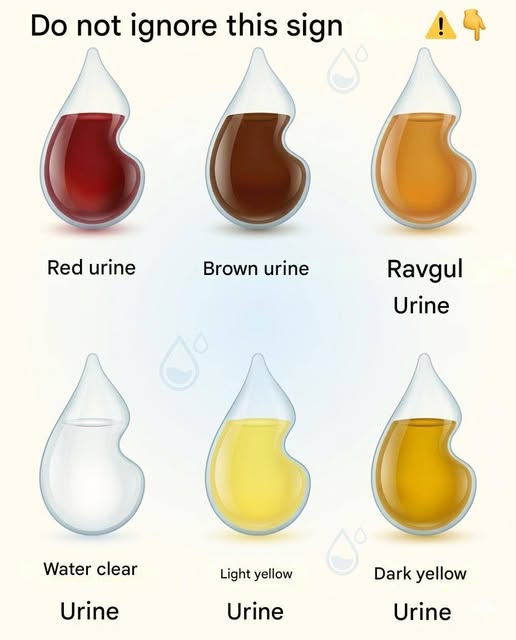
A normal urinary output typically ranges from pale yellow to light amber, which reflects healthy hydration and proper waste filtration by the kidneys. When the color shifts away from this range, it may indicate a change in body function that deserves attention.
Normal Urine Color and What It Indicates
The healthiest urine color is usually described as light straw yellow. This shade comes from a pigment called urochrome, which is naturally produced when your body breaks down hemoglobin.
When your urine is within this range, it generally means:
- Your hydration level is balanced
- Your kidneys are functioning properly
- Your body is effectively eliminating toxins
Clear urine may also appear when someone drinks excessive water. While hydration is important, consistently transparent urine can sometimes suggest overhydration, which may dilute essential electrolytes.
Dark Yellow or Amber Urine: Dehydration Warning Sign
One of the most common changes in urine color is a shift to dark yellow or amber shades. This is usually a sign of dehydration, meaning your body is conserving water and producing more concentrated urine.
In everyday life, this can happen due to:
- Not drinking enough water
- Excessive sweating (heat or exercise)
- High caffeine or alcohol intake
From a health standpoint, persistent dehydration can affect kidney performance and overall energy levels. Maintaining proper hydration helps support kidney filtration and prevents urinary discomfort.
Bright Yellow Urine and Vitamin Intake
If your urine appears unusually bright or neon yellow, it is often linked to vitamin supplementation, especially Vitamin B-complex (riboflavin).
This is generally harmless and simply means your body is excreting excess water-soluble vitamins that it does not need.
Common causes include:
- Multivitamin supplements
- Energy drinks fortified with B vitamins
- High-dose nutritional tablets
This color change is not usually a medical concern unless accompanied by other symptoms.
Orange Urine: Possible Dietary or Liver-Related Signals
Orange urine may appear due to dehydration, certain medications, or dietary factors. However, in some cases, it may also indicate a liver or bile-related issue.
Possible causes include:
- Dehydration
- Medications such as antibiotics or laxatives
- Foods with strong pigments
- Liver or bile duct conditions
In medical evaluation, orange urine may sometimes be associated with conditions affecting bilirubin processing in the liver. If persistent, it should be evaluated as it can be linked to Liver Disease.
Red or Pink Urine: Blood or Food Pigments
Red or pink urine can be alarming, but the cause is not always serious. Sometimes, it results from natural foods such as beetroot, berries, or food dyes.
However, unexplained red urine can indicate blood in urine, which is medically referred to as hematuria.
Possible causes include:
- Urinary tract irritation
- Kidney stones
- Infections
- Injury in the urinary tract
A common related condition is Urinary Tract Infection, which may also cause burning or frequent urination.
If food is not the cause, medical evaluation is important.
Brown or Dark Tea-Colored Urine: More Serious Concerns
Brown or cola-colored urine is less common and may signal a more serious underlying condition. It can be linked to:
- Severe dehydration
- Liver dysfunction
- Muscle breakdown (rare but serious)
- Certain medications
This color change should not be ignored, especially if it persists or is accompanied by fatigue or abdominal discomfort. It may sometimes be associated with advanced Kidney Disease or liver-related problems.
Green or Blue Urine: Rare but Possible Causes
Green or blue urine is uncommon and is usually not dangerous. It is often caused by:
- Food coloring agents
- Certain medications
- Rare bacterial infections
Although it looks unusual, it is rarely a sign of severe disease. However, persistent changes should still be checked by a healthcare provider.
Cloudy or Milky Urine: Possible Infection or Mineral Imbalance
Cloudy urine may appear when there are:
- Excess white blood cells
- Bacteria
- Crystals or minerals
- Vaginal discharge (in women)
This can sometimes indicate infection or inflammation in the urinary tract system.
If accompanied by pain, odor, or fever, it may be linked to a urinary infection requiring medical attention.
Foamy or Bubbly Urine: Protein Leakage Concern
Occasional bubbles in urine are normal due to urine flow speed. However, persistent foamy urine may indicate excess protein in urine, which can be a sign of kidney filtration issues.
If this continues regularly, it may suggest early kidney stress or damage and should be medically evaluated.
Key Lifestyle Factors That Affect Urine Color
Several everyday habits influence urine appearance:
- Water intake levels
- Diet (fruits, vegetables, food dyes)
- Medication and supplements
- Exercise intensity
- Overall kidney function
Maintaining balanced hydration and a healthy diet is one of the most effective ways to keep urine within a normal range.
When to Seek Medical Advice
You should consult a healthcare professional if you notice:
- Persistent red, brown, or cloudy urine
- Pain or burning during urination
- Fever or lower abdominal discomfort
- Long-term foamy urine
- Sudden unexplained changes in color
Early diagnosis can help prevent complications and ensure proper treatment if conditions like kidney or urinary infections are present.
Conclusion: Why Urine Color Monitoring Matters
Urine color is a simple but valuable health indicator. While many changes are harmless and related to diet or hydration, some can signal underlying medical issues.
By paying attention to changes in urine color, you can better understand your body’s hydration status and potentially detect early warning signs of health problems.
PART 2: Quick Urine Color Health Reference Guide (Simple Summary)
Easy Color Check Guide
- Light yellow: Normal, healthy hydration
- Clear: Too much water intake
- Dark yellow: Dehydration
- Bright yellow: Vitamins (especially B-complex)
- Orange: Dehydration or possible liver-related issue
- Red/Pink: Possible blood or food pigments
- Brown: Possible dehydration or liver/kidney concern
- Green/Blue: Rare, usually food or medication-related
- Cloudy: Possible infection
- Foamy: Possible protein in urine (check if persistent)
Simple Health Tip
Drink enough water daily so your urine stays light yellow most of the time.