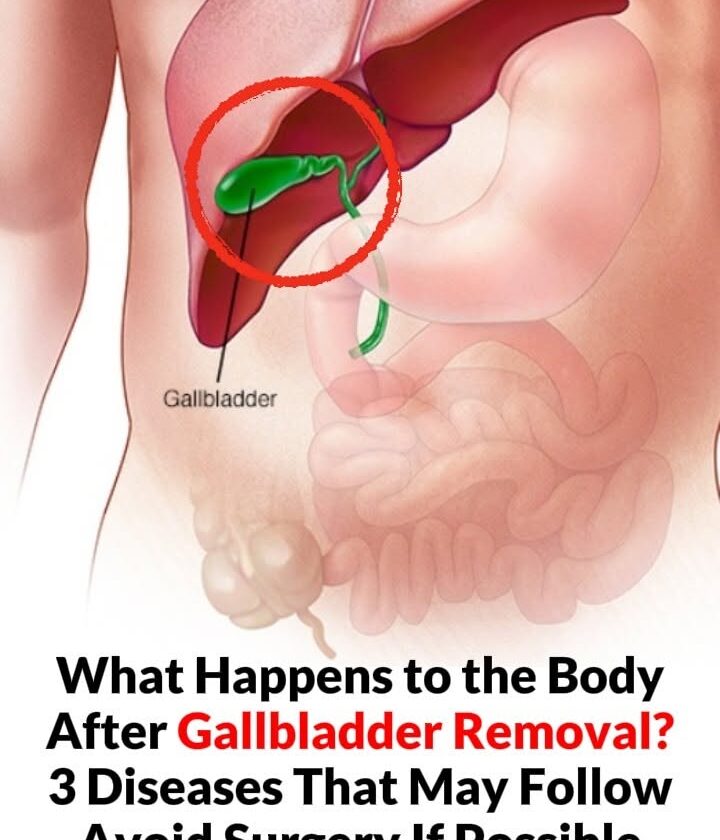
After Gallbladder removal surgery, most people recover well and live normal lives. The liver continues to produce bile, but instead of being stored in the gallbladder, bile flows directly into the small intestine. This can cause temporary or, less commonly, longer-term digestive changes.
Here are 3 conditions or issues that can occur after gallbladder removal:
- Diarrhea
Some people develop frequent or loose stools, especially after eating fatty foods. This is often temporary but can persist in a small number of people. - Digestive discomfort
Bloating, gas, indigestion, or difficulty tolerating high-fat meals may occur while the digestive system adjusts. - Postcholecystectomy syndrome
A small percentage of people continue to experience symptoms such as abdominal pain, nausea, bloating, or diarrhea after surgery. These symptoms can have several causes and may require medical evaluation.
Tips that may help during recovery
- Eat smaller, more frequent meals.
- Limit greasy, fried, and very fatty foods at first.
- Gradually increase dietary fiber to help regulate bowel movements.
- Stay well hydrated.
When to seek medical care
Contact a healthcare professional promptly if you experience:
- Severe or worsening abdominal pain.
- Fever or chills.
- Yellowing of the skin or eyes (jaundice).
- Persistent vomiting.
- Ongoing diarrhea lasting several weeks or causing dehydration.
While these issues can occur, most people recover fully and do not develop serious long-term problems after gallbladder removal. If symptoms persist, a healthcare provider can evaluate whether another condition is contributing.