What Happens to Your Body If You Don’t Drink Enough Water?
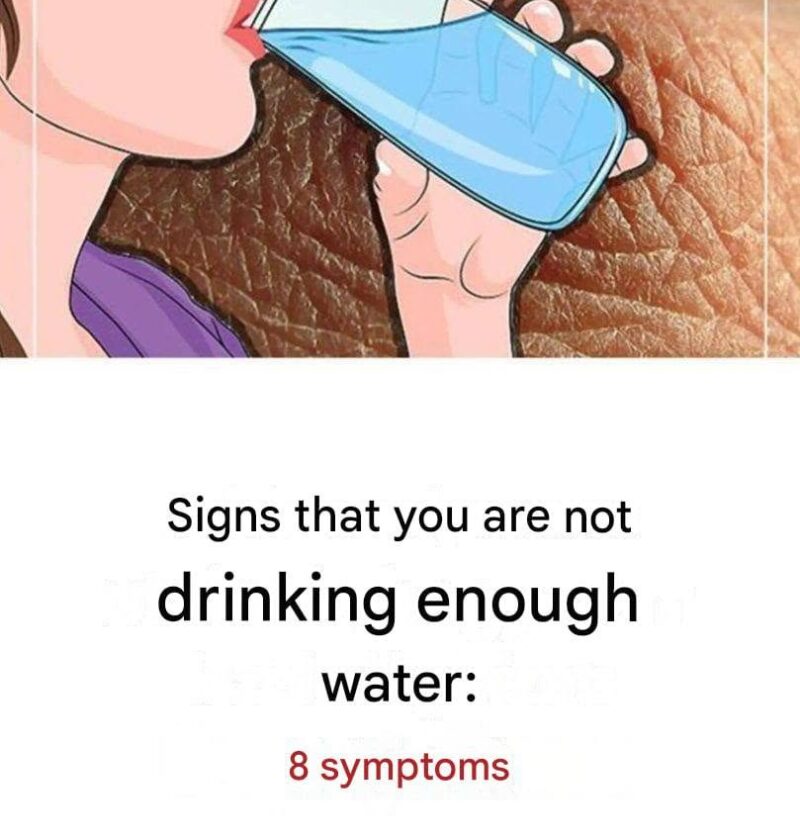
Water is essential for almost every function in the body. When you do not drink enough, your body can become dehydrated, meaning it does not have enough fluid to work properly. Even mild dehydration can affect how you feel and function.
1. You may feel tired and low on energy
When your body lacks water, blood volume can decrease, making it harder for oxygen and nutrients to reach your muscles and organs. This can lead to:
- Fatigue
- Weakness
- Reduced concentration
2. You may get headaches
Dehydration can contribute to headaches because fluid loss can affect blood flow and pressure around the brain.
3. Your urine becomes darker
One common sign of dehydration is:
- Dark yellow urine
- Less frequent urination
Pale yellow urine often indicates better hydration, though urine color can also be affected by certain foods, vitamins, and medications.
4. Your digestion may slow down
Water helps keep the digestive system moving. Not drinking enough may contribute to:
- Constipation
- Hard stools
- Stomach discomfort
5. Your kidneys work harder
The kidneys need water to remove waste from the blood. Chronic low fluid intake may increase strain on the urinary system and can contribute to a higher risk of kidney stones in some people.
6. Your body temperature regulation can be affected
Water helps control body temperature through sweating and circulation. Dehydration can make it harder for the body to cool itself, especially during hot weather or exercise.
7. Your mood and thinking may change
Even mild dehydration may affect:
- Focus
- Memory
- Mood
- Alertness
8. Your heart may have to work harder
With less fluid, blood volume can drop, which may cause the heart to beat faster to maintain circulation. People with certain heart conditions should follow